博客

  • Russia soldiers tell BBC they saw fellow troops executed on commanders’ orders

    Russia soldiers tell BBC they saw fellow troops executed on commanders’ orders

    In a groundbreaking documentary titled “The Zero Line: Inside Russia’s War,” four Russian soldiers have provided chilling firsthand accounts of systematic brutality within their own military ranks in Ukraine. These testimonies, recorded at an undisclosed location outside Russia, reveal a pattern of executions, torture, and dehumanizing treatment ordered by commanders against their own troops.

    The soldiers describe witnessing point-blank executions of comrades who refused orders to participate in what they term “meat storms” – relentless frontal assaults designed to overwhelm Ukrainian defenses through sheer numbers. One soldier, Ilya, a former special needs teacher from the Ural Mountains, recounted watching a commander execute four soldiers who had fled the front lines. “I remember one of them screaming ‘Don’t shoot, I’ll do anything!’ but he zeroed them anyway,” Ilya stated, using the Russian military slang for executing one’s own soldiers.

    Dima, a 34-year-old former dishwasher repairman from Moscow, described witnessing his commander, Alexei Ksenofontov – later decorated as a “Hero of Russia” – personally execute soldiers at close range. “I see it – just two metres, three metres. Just murders, just click, clack, bang. It’s not a drama, it’s not a movie, it’s real life,” he recalled. Dima also reported discovering 20 bodies of recently arrived ex-convict soldiers in a ditch, apparently executed for their bank cards.

    The documentary reveals how commanders employed extreme brutality to maintain discipline, including electrocution, starvation, and public humiliation. Ilya described being tied to a tree, beaten with a baton, and urinated on after refusing to participate in an assault. Denis, another soldier, showed documentation of having his teeth knocked out by superiors for refusing to search for a missing drone.

    These accounts are substantiated by a former senior staff officer with 17 years of military service who described speaking with a member of a “liquidation squad” tasked with eliminating high-ranking officers. The UK Ministry of Defence estimates 900-1,500 Russian casualties daily in 2025, with total casualties exceeding 1.2 million since the full-scale invasion began.

    The Russian government maintains that its armed forces “operate with utmost restraint” and that allegations of violations are “duly investigated.” However, these testimonies suggest a complete breakdown of military discipline and international humanitarian law on the Russian front lines.
  • France to revoke US envoy’s govt access after summons no-show

    France to revoke US envoy’s govt access after summons no-show

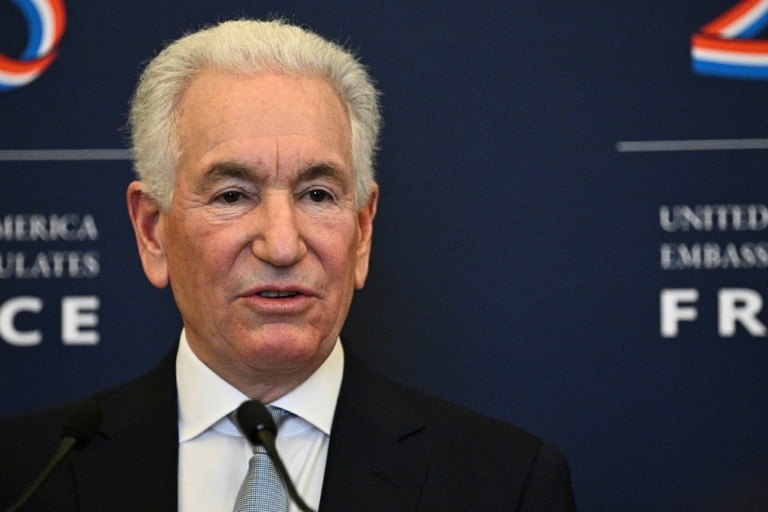
    France has imposed significant restrictions on US Ambassador Charles Kushner’s access to government officials following his failure to attend a scheduled meeting to address controversial remarks about a deceased far-right activist. The French Foreign Ministry announced on Monday that Ambassador Kushner would be barred from direct meetings with ministers, though he may continue other diplomatic functions and maintain communication through official channels.

    This diplomatic escalation stems from the US Embassy in Paris reposting comments from Washington regarding Quentin Deranque, a 23-year-old far-right activist who died from head injuries during clashes between radical-left and far-right groups in Lyon on February 12. Foreign Minister Jean-Noel Barrot had summoned Kushner for a 7:00 pm meeting, but the ambassador cited ‘personal commitments’ and sent a senior embassy official instead.

    The French government characterized Kushner’s absence as ‘an apparent failure to grasp the basic requirements of the ambassadorial mission and the honour of representing one’s country.’ This incident marks the second time Kushner has skipped a summons, having previously failed to attend a meeting in late August regarding his criticism of France’s handling of antisemitism.

    The Deranque case has heightened political tensions in France ahead of the 2027 presidential election, with over 3,000 people marching in Lyon on Saturday amid heavy security deployment. The situation has also triggered international commentary, including from Italian Prime Minister Giorgia Meloni, prompting French President Emmanuel Macron to advise foreign leaders to refrain from commenting on France’s domestic affairs.

    Washington has not yet responded to France’s latest diplomatic measures, which represent continuing friction between the allies during the Trump administration.

  • Mexico’s Jalisco cautiously tries returning to normal after cartel violence

    Mexico’s Jalisco cautiously tries returning to normal after cartel violence

    The Mexican state of Jalisco is experiencing a fragile return to daily routines following a devastating wave of cartel violence that erupted over the weekend. This surge in retaliatory attacks came immediately after authorities confirmed the death of Nemesio “El Mencho” Oseguera, the formidable leader of the Jalisco New Generation Cartel (CJNG), during a military confrontation on Sunday.

    In Guadalajara, the state capital, residents tentatively emerged from their homes on Monday after being confined indoors amidst widespread terror. The city presented a scene of cautious movement rather than normalcy—schools remained shuttered, many businesses kept doors locked, and public transportation operated with notably few passengers. Those venturing outside primarily sought essential supplies, forming extensive queues at supermarkets amid concerns that cartel members might resume road blockades and arson attacks against vehicles and commercial establishments.

    Matias Mora, a local taxi driver, described the palpable fear that kept him indoors after witnessing a pharmacy being burned down. Similarly, retiree Juan Soler reported critical shortages and enormous lines at the few open stores, while Maria de Jesus Gonzalez recounted being “locked inside, terrified” before joining the supermarket queue. The demand was so intense that shopping carts ran out, forcing some customers to use laundry baskets for their groceries.

    While authorities worked to clear the streets of charred, twisted vehicle wreckage, the violence persisted in certain areas. On the road to Tapalpa, where Oseguera made his final stand, cartel members continued to maintain roadblocks despite official claims that the worst violence had subsided nationwide.

    The government deployed approximately 10,000 troops across 20 of Mexico’s 32 states to restore order, including in the international tourist destination Puerto Vallarta. Oseguera, 59, represented the last of Mexico’s old-guard drug lords operating with the brutal tactics reminiscent of imprisoned kingpins like “El Chapo” Guzman. As a founding member of CJNG since 2009, he built one of Mexico’s most violent criminal organizations.

    Official reports indicate the raid that killed Oseguera and subsequent clashes resulted in at least 27 security force casualties, 46 suspected cartel members dead, and one civilian fatality. While his elimination marks a significant victory for Mexican authorities, security experts warn that the absence of clear succession within CJNG could create a dangerous power vacuum, potentially triggering further violent internal conflicts.

  • State of the Union offers Trump a chance to make the case for his foreign policy approach

    State of the Union offers Trump a chance to make the case for his foreign policy approach

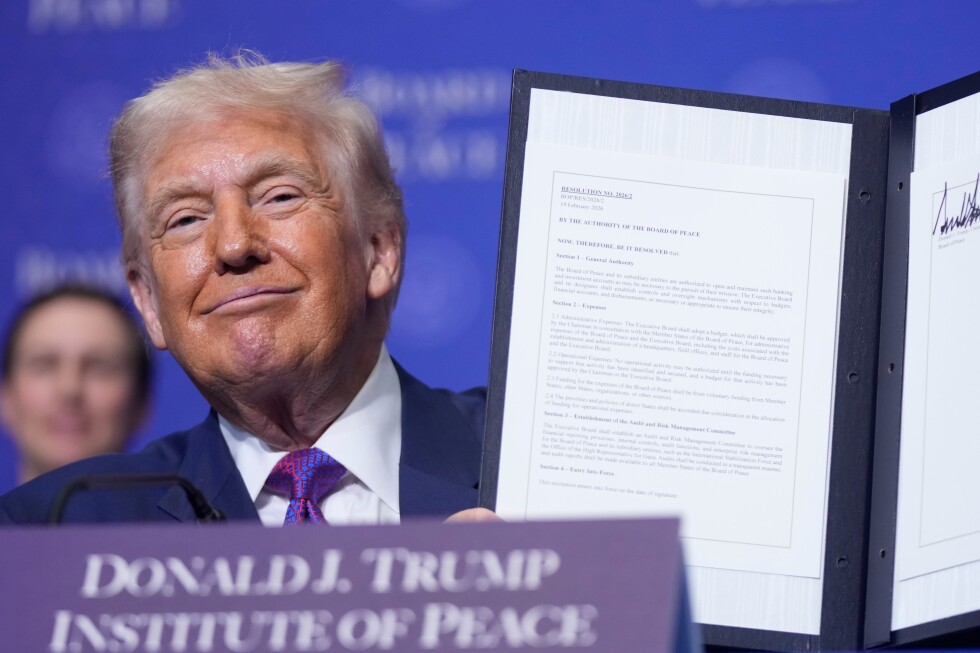
    WASHINGTON — As President Donald Trump prepares to deliver his pivotal State of the Union address, he faces the dual challenge of addressing growing domestic economic concerns while defending his administration’s foreign policy achievements against mounting public skepticism.

    The President intends to highlight several international accomplishments, including brokering a fragile Gaza ceasefire, orchestrating the capture of Venezuelan autocrat Nicolás Maduro, and pressuring NATO allies to increase defense spending. However, these foreign policy wins come at a time when recent AP-NORC polls reveal 61% of Americans disapprove of Trump’s handling of international relations, with 56% believing he has overextended military intervention abroad.

    The address occurs against a backdrop of significant political tension, including public criticism from former allies like ex-Rep. Marjorie Taylor Greene, who recently accused Trump of prioritizing “rich donor class and foreign policy” over America First principles.

    Key foreign policy challenges expected to feature prominently include:

    Iran Nuclear Standoff: The administration appears perplexed by Iran’s resistance to mounting military pressure, with Trump warning of “bad things” happening if no nuclear agreement is reached. Special envoys are scheduled for renewed talks in Geneva amid significant U.S. military buildup in the region.

    Ukraine Conflict: On the four-year anniversary of Russia’s invasion, Trump struggles to deliver on his campaign promise to end the war “in one day.” Negotiations remain deadlocked over territorial concessions and control of the Zaporizhzhia nuclear facility, with Trump pressuring President Zelenskyy to accept a deal before the U.S. midterm elections.

    Venezuela Strategy: The capture of Maduro has opened opportunities for U.S. energy investments, with the administration seeking $100 billion to revitalize Venezuela’s oil infrastructure while advancing what Trump calls the “Donroe Doctrine”—an aggressive regional strategy targeting drug trafficking and asserting U.S. primacy.

    Trade Policy Uncertainty: Following a Supreme Court ruling against his tariff authorities, Trump has threatened even higher global tariffs, creating market uncertainty that former Biden administration official Bharat Ramamurti warns could paralyze business investment decisions.

  • Bloomberg Philanthropies Mayors Challenge winners use AI and resident input to improve city services

    Bloomberg Philanthropies Mayors Challenge winners use AI and resident input to improve city services

    Urban centers worldwide are pioneering groundbreaking approaches to enhance civic services through the 2024 Bloomberg Philanthropies Mayors Challenge, which recognized twenty-four innovative municipal projects. These initiatives strategically combine artificial intelligence with community engagement to address pressing urban challenges.

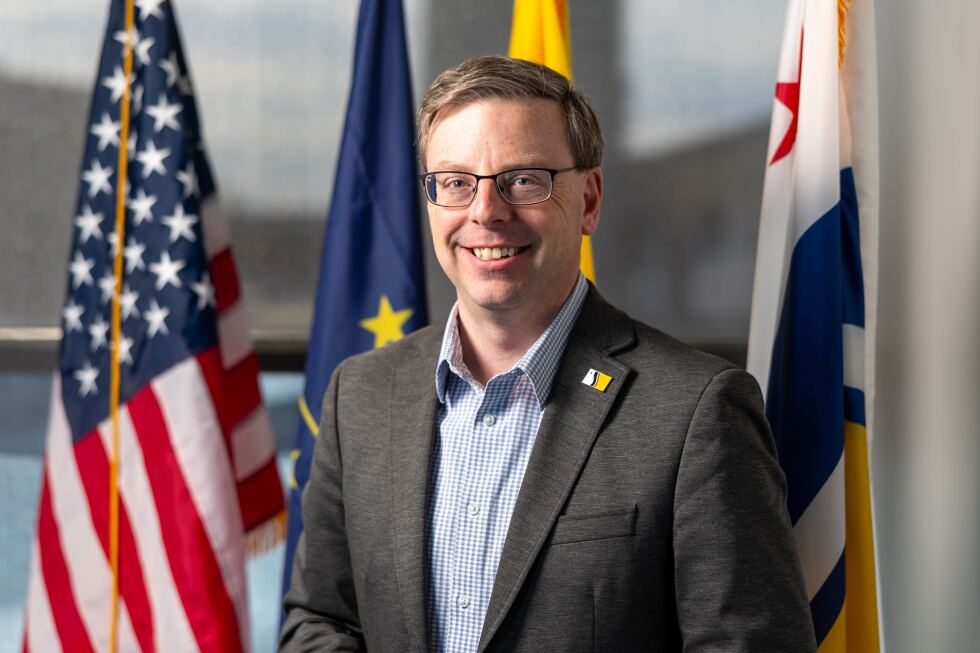
    South Bend, Indiana exemplifies this trend with its proactive AI-driven system that identifies residents facing financial hardship—such as water bill delinquency—and connects them with support services before crises escalate. Mayor James Mueller emphasized the ethical implementation of technology: “We’re leveraging cutting-edge tools to deliver city services proactively while establishing safeguards against potential misuse.”

    The winning projects demonstrate remarkable geographical and thematic diversity. Boise, Idaho will utilize geothermal energy to reduce heating costs for residents, while Beira, Mozambique is relocating fishing communities from flood-prone coastal areas to safer inland housing. Each recipient city receives $1 million in implementation funding plus expert support from Bloomberg Philanthropies.

    According to Michael R. Bloomberg, founder of Bloomberg Philanthropies, the initiative aims to identify replicable solutions that can be adopted globally. “The most effective city halls demonstrate bold, creative problem-solving—we launched the Mayors Challenge to amplify such successes,” Bloomberg stated.

    James Anderson, head of government innovation programs at Bloomberg Philanthropies, noted the sophisticated integration of AI technology in this year’s winning proposals. “Philanthropy must fund the experimentation that public dollars typically won’t support,” Anderson explained, highlighting how these innovations bridge gaps between municipal governments and their constituents.

    The impact extends across continents: Pasig City, Philippines will accelerate construction of floating parks that simultaneously create community spaces and mitigate flooding risks. Mayor Vico Sotto emphasized community involvement in maintenance through local governance councils. Conversely, Lafayette, Louisiana developed an innovative solution to update sewer systems located on private property—a previously insurmountable regulatory challenge.

    Mayor-President Monique Blanco Boulet of Lafayette credited the program with providing “the creative space to develop life-changing solutions.” The timing is particularly crucial, as South Bend’s Mueller observed: “With trust in government at historic lows, local governments must continually innovate to maintain and build upon the relatively higher trust residents place in municipal leadership.”

    The 2026 Mayors Challenge winners span 24 cities across six continents, representing both Global North and South communities committed to transformative urban innovation.

  • Supreme Court ruling against Trump’s tariffs is unlikely to mean an end to trade policy chaos

    Supreme Court ruling against Trump’s tariffs is unlikely to mean an end to trade policy chaos

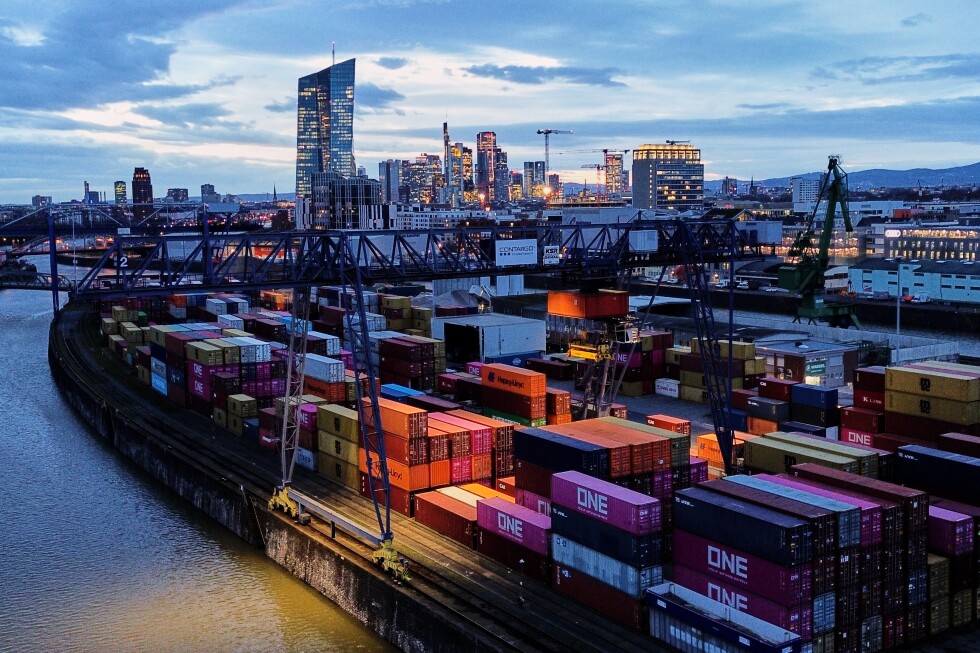
    In a landmark decision, the U.S. Supreme Court has delivered a severe judicial reprimand to President Donald Trump’s expansive tariff regime, fundamentally challenging his authority to unilaterally impose import taxes. The ruling specifically invalidates tariffs justified under the 1977 International Emergency Economic Powers Act (IEEPA), which the administration had primarily deployed to address persistent trade deficits.

    Despite this judicial setback, economic uncertainty continues to grip American businesses as the administration explores alternative legal mechanisms to reconstruct its trade barriers. Treasury Secretary Scott Bessent confidently asserted that tariff revenues would remain unaffected both presently and in future projections.

    President Trump’s immediate response to the judicial defeat has been characteristically volatile. Within days of the ruling, he announced intentions to implement a 10% global tariff under Section 122 of the Trade Act of 1974, subsequently escalating this figure to 15%. This previously unused provision permits temporary tariffs for up to 150 days without congressional approval, though any extension would require legislative consent—a politically challenging prospect during an election season.

    Legal experts immediately questioned the validity of applying Section 122 to address trade deficits, with National Taxpayers Union’s Bryan Riley noting the provision was designed for fundamentally different international payment crises from a bygone monetary era.

    The administration simultaneously signaled potential recourse to Section 301 authorities, a more legally robust tool previously deployed against Chinese trade practices. U.S. Trade Representative Jamieson Greer confirmed the initiation of multiple Section 301 investigations following the Supreme Court defeat.

    Internationally, the decision has created diplomatic complications, particularly with trading partners who had negotiated agreements under the threat of now-invalid IEEPA tariffs. European Union officials have delayed ratification of their trade pact with the United States, seeking clarification on whether new tariffs would compound existing obligations. Despite these tensions, trade analysts generally expect partners to honor existing agreements, fearing potentially unlimited Section 301 tariffs for non-compliance.

    The ruling additionally creates a massive administrative challenge regarding approximately $133 billion in previously collected tariffs. The Supreme Court delegated the complex refund question to lower courts and Customs and Border Protection, setting the stage for a protracted claims process that could overwhelm administrative systems and potentially require congressional intervention to streamline.

  • Team list Tuesday: Knights make big call in the halves as Bulldogs injured brigade cleared for Vegas

    Team list Tuesday: Knights make big call in the halves as Bulldogs injured brigade cleared for Vegas

    The National Rugby League’s weekly team list announcements have commenced with significant strategic shifts, headlined by the Newcastle Knights’ pivotal decision in their playmaking positions. New head coach Justin Holbrook has initiated his tenure with a major selection call, appointing Fletcher Sharpe at five-eighth to partner with high-profile recruit Dylan Brown for the upcoming Las Vegas season opener.

    This selection resolves weeks of speculation regarding the halves composition, with Holbrook favoring Sharpe’s speed over former Rooster Sandon Smith, a move that places additional organizational responsibility on Brown’s playmaking capabilities. The decision carries substantial weight for a squad that endured a challenging 2025 season, having claimed the wooden spoon while recording the competition’s lowest points tally.

    Brown will receive substantial support from former Dally M medalist Kalyn Ponga, who continues as a crucial offensive weapon from the fullback position. Meanwhile, Jermaine McEwen has secured a starting spot in the back row over Thomas Cant, with Smith beginning his Knights career from the interchange bench.

    The Knights face a North Queensland Cowboys side navigating their own selection adjustments, with Zac Laybutt absent due to suspension. This development provides an opportunity for the unfortunate Tom Chester to start at center, with coach Todd Payten expressing strong confidence in his readiness despite previous injury setbacks.

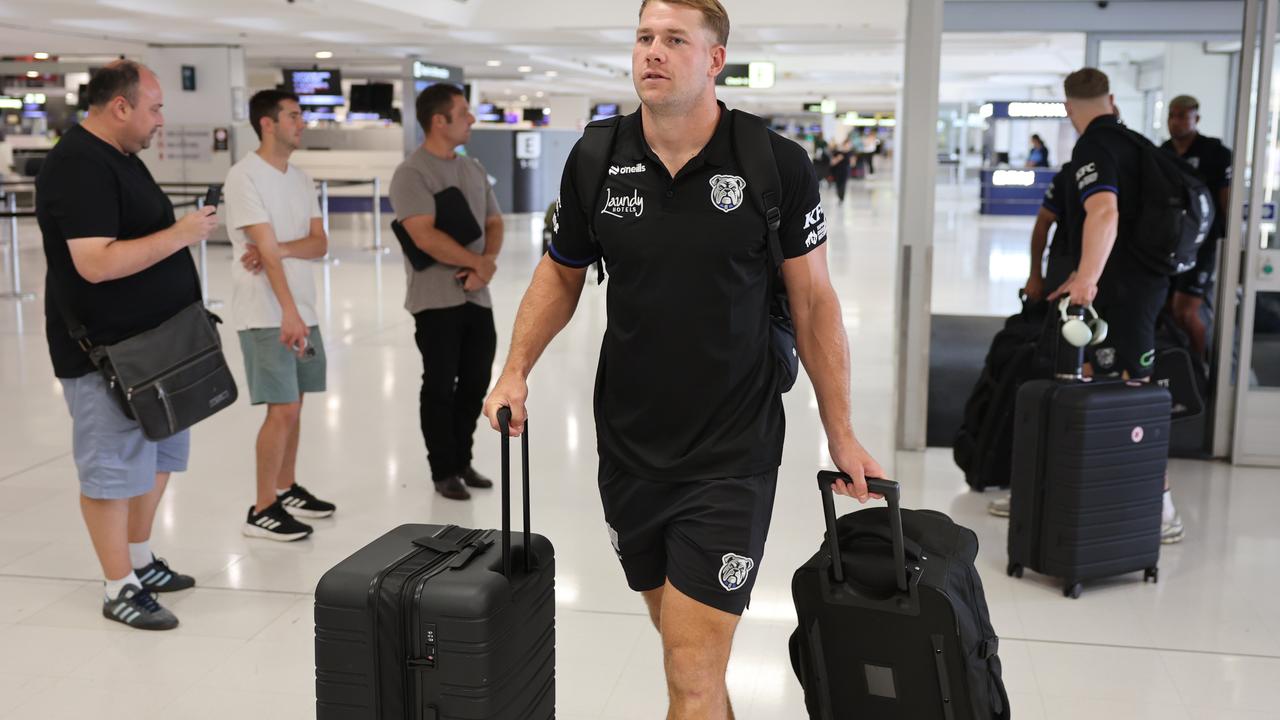
    Across other Vegas participants, the Canterbury-Bankstown Bulldogs have received positive medical news with star trio Matt Burton, Jacob Kiraz, and Marcelo Montoya all named to face the St. George Illawarra Dragons despite recent injury concerns. The Dragons themselves have awarded an NRL debut to trial standout Setu Tu on the wing, while implementing a new halves combination of Daniel Atkinson and Kyle Flanagan.

    All four teams must adapt to revised interchange regulations permitting six players on the bench, though coaches retain the limitation of utilizing only four substitutes during match play. The strategic implications of these rule modifications will be closely observed in the American showcase event.

  • 48% jump in ticket sales: Inside the Alex Eala effect in Dubai tennis

    48% jump in ticket sales: Inside the Alex Eala effect in Dubai tennis

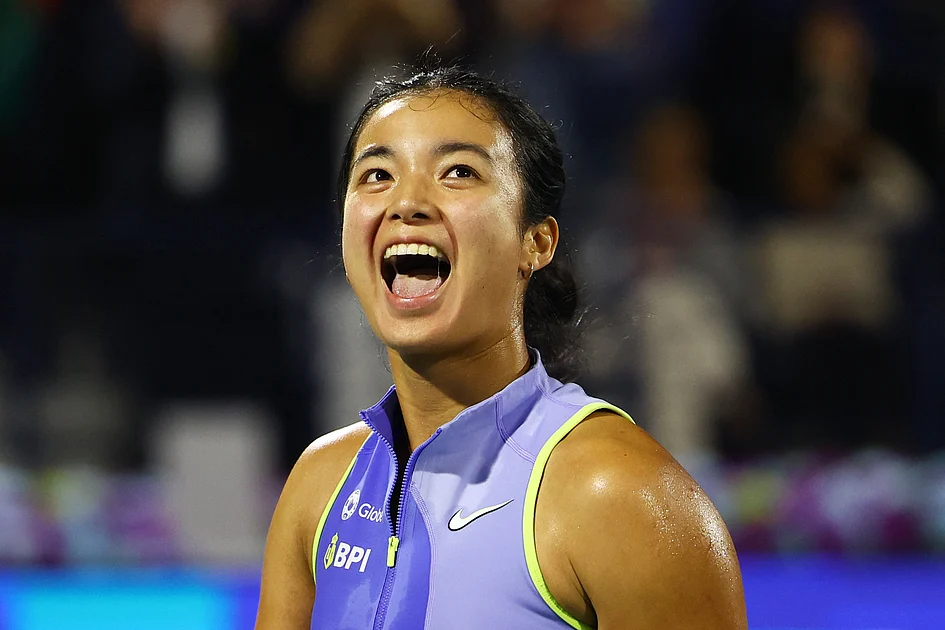
    The Dubai Duty Free Tennis Championships witnessed an unprecedented phenomenon during its 2026 women’s week as 20-year-old Filipina sensation Alexandra Eala transformed the tournament atmosphere while triggering a massive 48% year-on-year increase in ticket sales.

    Eala’s remarkable quarterfinal run, which included a stunning victory over world number eight Jasmine Paolini, captivated the Dubai tennis community and beyond. The rising star’s performance propelled her to a career-high world ranking of 31, cementing her status as the highest-ranked tennis player in Philippine history.

    The impact extended far beyond the court as flag-waving Filipino fans created an electric atmosphere at the Dubai Duty Free Tennis Stadium, turning each of Eala’s matches into what veteran tournament official Hany El Khafief described as ‘a Davis Cup-like environment.’ Having officiated in Dubai for over three decades, El Khafief noted that only Indian trailblazer Sania Mirza had generated comparable excitement during her 2005 debut.

    Tournament champion Jessica Pegula joined the chorus of praise, acknowledging Eala’s extraordinary ability to inspire national pride while handling the pressure with remarkable maturity. ‘The way she’s been able to pack stadiums and the way her country supports her is something special,’ Pegula remarked during her post-victory press conference, noting that crowd noise from Eala’s matches could be heard throughout the tournament hotel.

    Eala’s groundbreaking success represents a significant shift in Philippine sports culture, traditionally dominated by basketball. The left-handed phenom, who maintains deep connection to her cultural roots despite her rapid ascent, has emerged as a powerful role model for aspiring athletes across Southeast Asia. Her ability to remain grounded amid growing stardom, combined with her exceptional on-court performance, has positioned her as one of tennis’s most compelling emerging stories as she prepares for the upcoming Indian Wells Masters.

  • Violence engulfs Mexico after killing of notorious cartel leader

    Violence engulfs Mexico after killing of notorious cartel leader

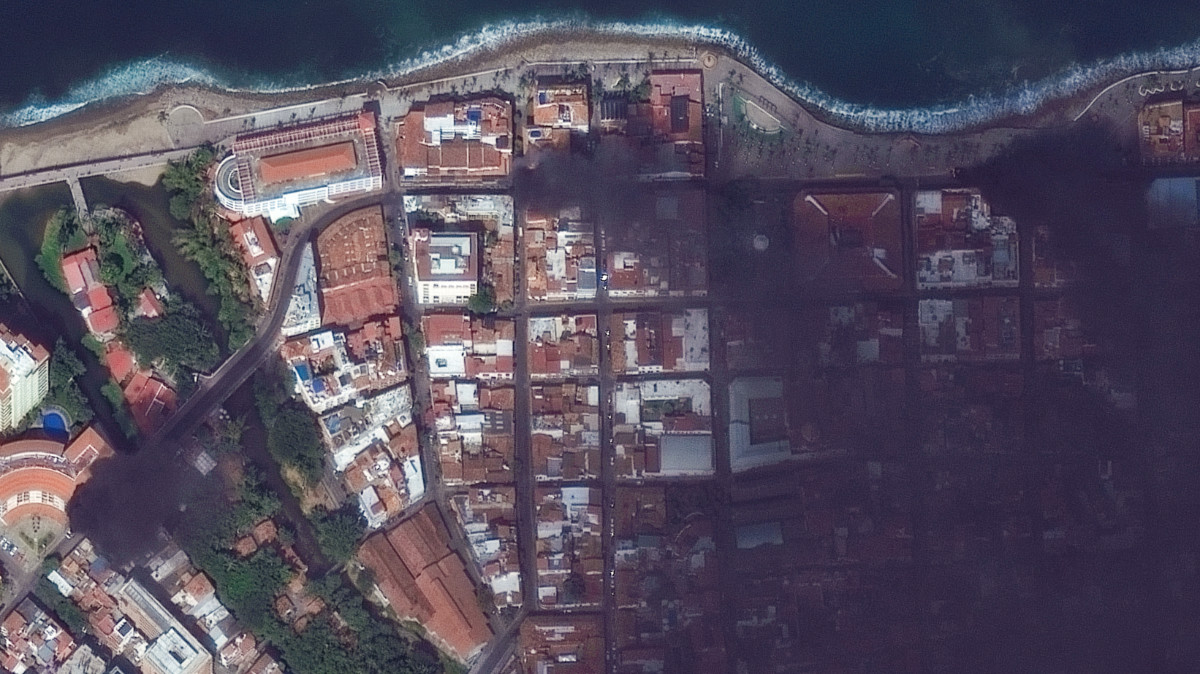
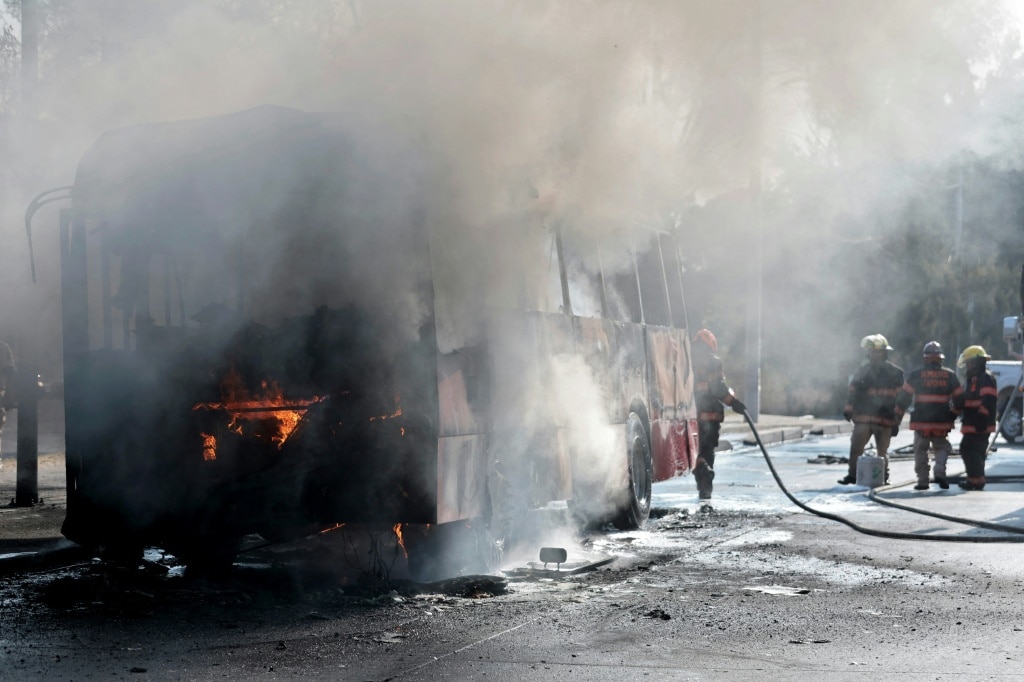
    Mexico descended into widespread chaos and violence following the confirmed death of Nemesio Oseguera Cervantes, the formidable leader of the Jalisco New Generation Cartel (CJNG), in a military raid. The operation, which resulted in Oseguera’s fatal wounding during a shootout in Tapalpa, Jalisco state, triggered an immediate and ferocious response from the cartel’s ranks, plunging cities across the nation into scenes resembling a war zone.

    The stark socioeconomic divide within the country was laid bare as luxury tourist destinations, typically insulated from such violence, became unexpected battlegrounds. The Pacific coast resort of Puerto Vallarta, a popular enclave for American retirees and tourists, witnessed intense carnage. Vehicles and buildings were set ablaze, shrouding the city in thick black smoke, with the destruction captured on video from the balconies of upscale condominiums and beachfronts. Social media circulated contrasting imagery of tourists observing the turmoil from pools and beach chairs, cocktail in hand.

    This offensive marks the most significant action to date by Mexican President Claudia Sheinbaum, who had previously pledged a historic crackdown on drug cartels. The operation was conducted with crucial intelligence support from the United States, which had listed ‘El Mencho’ as its most-wanted drug trafficker with a $15 million bounty. Despite this major victory, U.S. political pressure persists, with calls for Mexico to intensify its efforts.

    The death of Oseguera, 59, represents the fall of a figure who operated with brazen impunity. His cartel, known for its militarized ‘elite’ divisions equipped with armored vehicles and heavy weaponry, was responsible for audacious attacks, including the downing of a military helicopter and a high-profile assassination attempt on Mexico City’s then-police chief. Having emigrated to the U.S. in his youth, where he was jailed and deported for heroin trafficking, Oseguera rose through cartel infighting, eventually founding the CJNG, which grew to surpass even the Sinaloa cartel in power and territorial control.

    By Monday, President Sheinbaum announced that the most severe violence had subsided and that active roadblocks had been cleared. However, the event underscores the profound and enduring challenge that powerful cartels continue to pose to the Mexican state, controlling vast territories and providing parallel governance in impoverished areas neglected by the central government.

  • Air ambulance plunges into eastern India forest, killing 7

    Air ambulance plunges into eastern India forest, killing 7

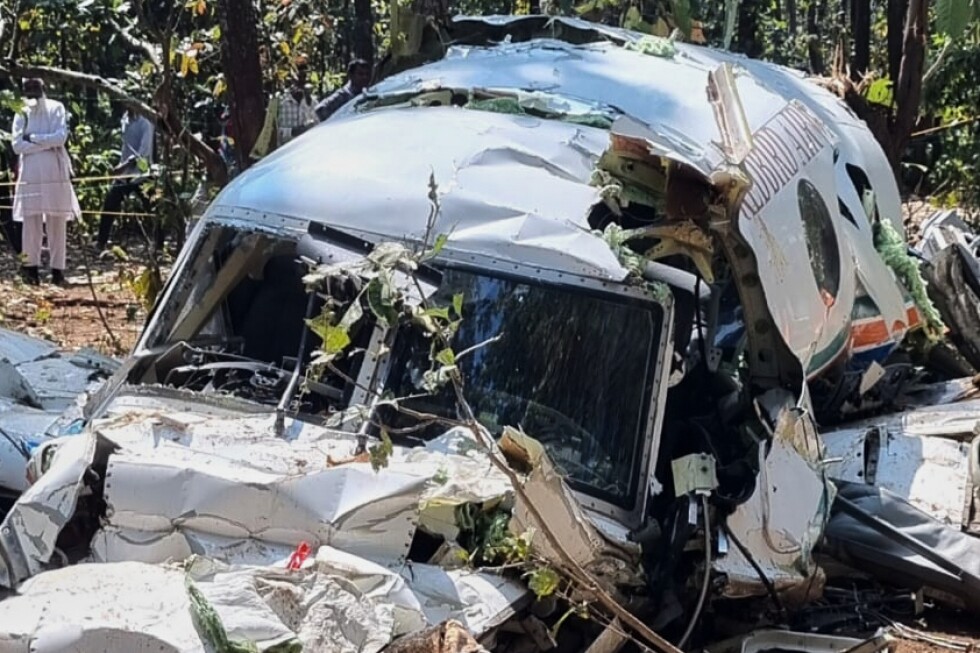
    A medical evacuation flight operated by Redbird Airways Pvt. Ltd. met with tragedy on Monday when its Beechcraft C90 aircraft crashed in the dense woodlands of eastern India’s Jharkhand state, resulting in the death of all seven individuals aboard. The catastrophic incident occurred shortly after the air ambulance departed from Ranchi, the regional capital, en route to New Delhi with a critically ill burn patient requiring specialized treatment.

    According to India’s Directorate General of Civil Aviation, the aircraft experienced a loss of control during initial ascent, potentially due to severe weather conditions. The fatality list included the patient, an attending physician, a paramedic, two family members, and both flight crew members. Local administrator Keerthishree G. confirmed from the crash site that all bodies had been recovered and transferred for postmortem examination.

    Eyewitness accounts reported in local media describe hearing a substantial explosion before observing smoke emanating from the forested crash location, which prompted immediate emergency response. India’s Aircraft Accident Investigation Bureau has deployed a specialized team to conduct a thorough examination of the wreckage and determine the precise causation factors.

    This accident highlights ongoing concerns regarding aviation safety protocols during adverse meteorological conditions, particularly in topographically challenging regions. The tragedy follows another recent fatal crash involving a private aircraft in western India that claimed five lives, raising questions about safety standards in non-commercial aviation operations.

    Air ambulance services play a crucial role in India’s healthcare infrastructure, frequently transporting critically ill patients from remote areas to advanced medical facilities in major urban centers. This incident represents a significant setback for emergency medical transportation systems within the country.