博客

  • Progress grows on seed vault project in Xiong’an

    Progress grows on seed vault project in Xiong’an

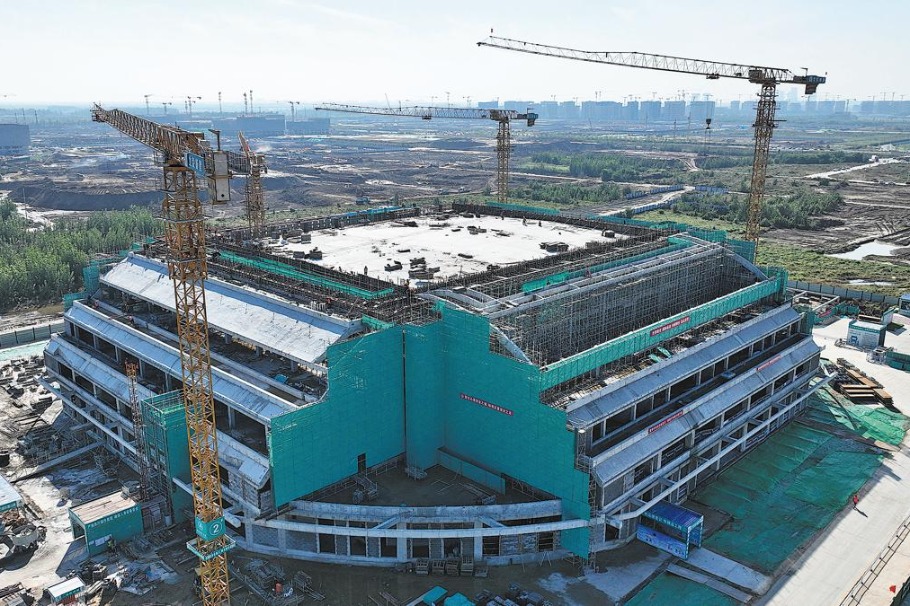
    A significant advancement in China’s ecological conservation infrastructure has been achieved with the structural completion of the National Facility Preservation Bank for Forestry and Grassland Germplasm Resources in Xiong’an New Area. This state-of-the-art facility, projected to become operational by 2028, represents a groundbreaking initiative in preserving the nation’s botanical biodiversity against escalating environmental threats.

    Professor Wang Jun, deputy director of the facility’s operation center at Beijing Forestry University, characterizes the project as a comprehensive biological insurance system. “This facility functions as a secure repository for forest and grass genetic materials,” Wang explained. “When plant species face extinction from climate change, pathogens, or other ecological disasters, we maintain the capability to restore them using preserved germplasm resources.”

    The Xiong’an preservation bank serves as the central node within a national network comprising one primary facility and six subsidiary banks. Jointly developed by the National Forestry and Grassland Administration and the Ministry of Education, with operational management delegated to Beijing Forestry University, the institution will coordinate nationwide conservation efforts for critical plant genetic materials.

    Engineering the facility presented extraordinary technical challenges due to the immense diversity of plant biological characteristics. “Preservation requirements vary tremendously across species,” Wang noted. “Genetic materials range from seed specimens comparable to sports balls in size to those resembling fine sand particles. Certain species produce no seeds whatsoever, necessitating alternative preservation methods including dormant buds, DNA archives, and in-vitro plant cultures.”

    Innovative architectural solutions address these complexities through specialized functional zones equipped with advanced preservation technologies. The facility incorporates cryogenic storage units, DNA banking systems, and intelligent greenhouse environments capable of maintaining optimal conditions for diverse plant species.

    The Xiong’an bank pioneers systematic germplasm collection based on geographical variations within species—a critical innovation given China’s complex ecosystems. “Long-term evolutionary adaptation has created distinct genetic variations across different regions,” Wang emphasized. “A southern seed variety may lack drought resistance necessary for northern climates, while high-altitude plants could perish in low-altitude environments. Our collection strategy captures this essential genetic diversity through comprehensive geographical sampling.”

    Advanced technologies including big data analytics and artificial intelligence will enhance the facility’s operations, enabling field researchers to accurately identify species and their unique variants. Upon completion, the institution will implement intelligent sensing and automated preservation systems, establishing complete informational management throughout the germplasm collection, preservation, and distribution processes.

    This national biodiversity safeguard system will ultimately provide resilient ecological restoration capabilities across China’s varied landscapes, ensuring appropriate genetic resources are available for ecosystem rehabilitation anywhere in the country.
  • South Korea’s ex-acting leader indicted over former president’s martial law imposition

    South Korea’s ex-acting leader indicted over former president’s martial law imposition

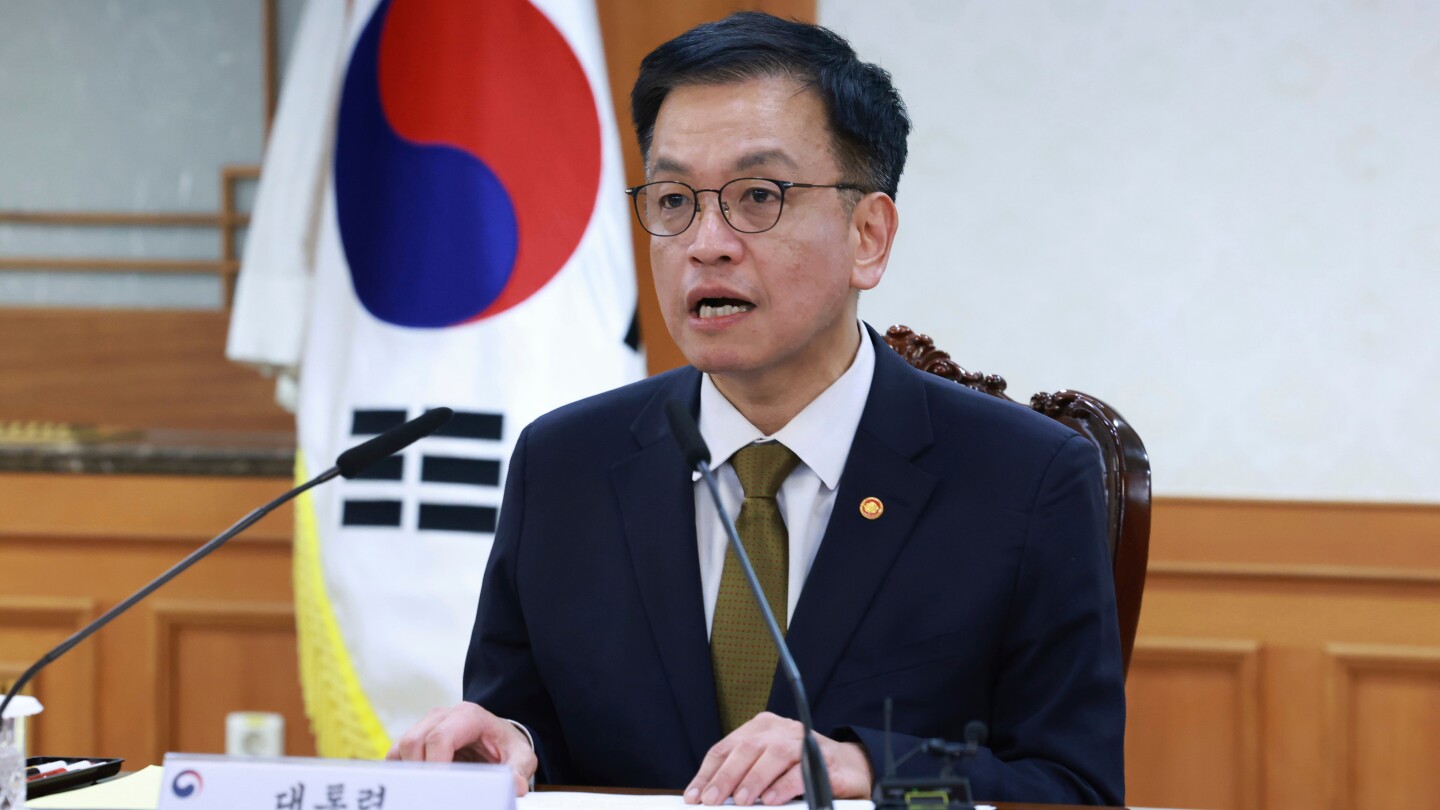
    South Korea’s political landscape continues to be shaken by the aftermath of former President Yoon Suk Yeol’s controversial martial law declaration in December 2024, with former acting leader Choi Sang-mok becoming the latest high-ranking official to face criminal indictment. The Seoul Central District Court unsealed charges Thursday against Choi for alleged dereliction of duty during his interim presidency.

    The indictment centers on Choi’s failure to fully restore the Constitutional Court’s nine-justice panel during the critical period when the court was deliberating Yoon’s impeachment. While Choi appointed two new justices, he left the ninth position vacant, citing lack of bipartisan consensus. This omission proved significant as the court subsequently delivered a unanimous decision to remove Yoon from office in April, requiring at least six justices’ support for the ruling.

    Choi, who previously served as Yoon’s deputy prime minister and finance minister, now faces additional perjury charges related to his testimony during the trial of another former acting leader, Han Duck-soo. Han, who served as Yoon’s prime minister, was indicted in August on more serious charges of facilitating Yoon’s martial law imposition. Prosecutors allege Han attempted to legitimize Yoon’s martial law decree through Cabinet Council procedures, though Han maintains he opposed the plan.

    The investigation team led by independent counsel Cho Eun-suk also indicted five other individuals Thursday, including Yoon’s justice minister, bringing the total number of officials implicated in the martial law crisis to dozens of high-level figures. Yoon himself remains incarcerated while facing rebellion charges.

    This case represents one of three independent counsel probes targeting Yoon, his associates, and family members approved by current President Lee Jae Myung, who assumed office following June’s special election. In a related development, Oceans Minister Chun Jae-soo offered his resignation Thursday amid bribery allegations connected to the Unification Church scandal that has ensnared Yoon’s wife, Kim Keon Hee, and church leader Hak Ja Han. President Lee has called for comprehensive investigations into all allegations involving politicians and religious organizations.

  • 2 Chinese pioneers honored by Nature

    2 Chinese pioneers honored by Nature

    Two Chinese scientists have earned prestigious recognition from Nature magazine, securing positions on the publication’s annual list of ten individuals who have significantly influenced scientific progress in 2025. The honorees include AI innovator Liang Wenfeng and geoscientist Du Mengran, representing breakthroughs in artificial intelligence and deep-sea exploration respectively.

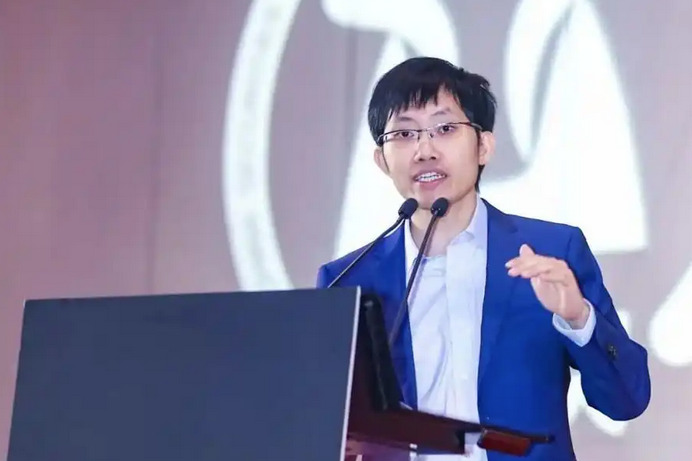
    Liang Wenfeng, founder of DeepSeek and described by Nature as a ‘tech disruptor,’ revolutionized the artificial intelligence landscape through his development of an exceptionally powerful yet cost-effective large language model. His groundbreaking approach demonstrated that the United States’ lead in AI technology was not as substantial as previously believed. In an unprecedented move, Liang made his model’s weights openly accessible—the first major AI developer to do so—enabling researchers worldwide to freely download, study, and build upon his work.

    This open-access philosophy has proven transformative, accelerating global AI development as competing companies felt compelled to release their own open models. According to research published by Liang in Nature this September, his model exhibits exceptional problem-solving capabilities as a reasoning model while maintaining remarkably low training costs. The entire development process for the basic model required just $6 million, substantially less than comparable projects from rival organizations.

    Meanwhile, Du Mengran, a geoscientist from the Institute of Deep-sea Science and Engineering at the Chinese Academy of Sciences, earned her designation as a ‘deep diver’ through pioneering work in the hadal zone—the ocean’s deepest layer extending beyond 6,000 meters. Currently leading a new expedition, Du emphasized that deep-sea exploration presents challenges even more formidable than space exploration.

    Du’s recognition stems from her discovery of Earth’s deepest known chemosynthetic ecosystems during last year’s expedition using China’s advanced Fendouzhe submersible. Through 24 dives averaging six hours each, Du and her colleagues documented survival mechanisms that could revolutionize life sciences research and enhance understanding of the global carbon cycle.

    She credited China’s strategic foresight in deep-sea research over the past decade, including the development of specialized diving equipment, creation of novel materials, and leadership in global trench exploration programs. ‘This honor belongs not to me alone but to the entire hadal exploration team,’ Du stated, emphasizing the collaborative nature of scientific discovery. Her ongoing expedition continues the principle that understanding the unknown requires direct observation and experience.

  • Training reform builds pool of top engineers

    Training reform builds pool of top engineers

    China’s groundbreaking Excellence Engineer Initiative has successfully enrolled approximately 26,000 master’s and doctoral students since its inception three years ago, marking a transformative shift in engineering education. Launched in 2022 through collaboration between nine government bodies including the Organization Department of the CPC Central Committee and the Ministry of Education, the program represents a comprehensive redesign of traditional training methodologies.

    The program’s core innovation lies in its deep integration of academic institutions and industrial enterprises. Universities and corporations jointly manage student enrollment, define research objectives, supervise training processes, and share outcomes. This collaborative framework extends to integrated faculties, interconnected curricula, shared platforms, and aligned policies, creating a seamless ecosystem for engineering education.

    To operationalize this initiative, the Ministry of Education partnered with the State-owned Assets Supervision and Administration Commission to establish 50 national Excellence Engineer institutes, involving eight major centrally administered State-owned enterprises and 32 leading universities. Authorities have additionally approved 41 new engineering master’s and doctoral programs with individually allocated recruitment quotas, featuring joint enrollment teams co-led by university presidents and corporate executives.

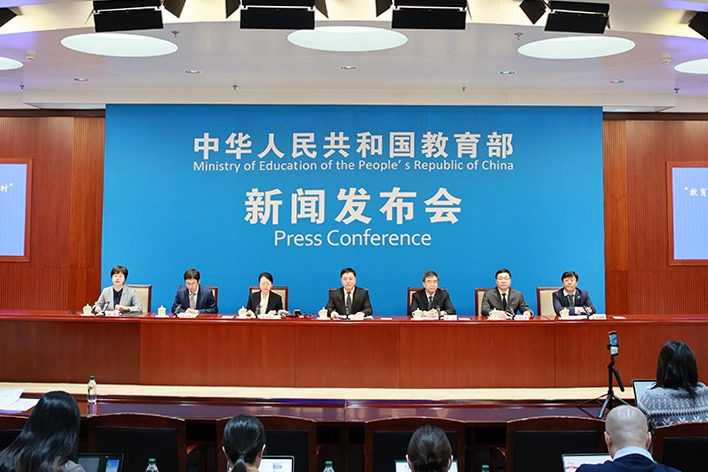
    Wu Gang, Director of the Ministry of Education’s Department of Degree Management and Postgraduate Education, emphasized that developing world-class engineers is essential for integrating education, technology, and human resources development. The initiative addresses urgent needs for modern industrial system construction and represents a strategic move to enhance national competitiveness, particularly during China’s upcoming 15th Five-Year Plan period (2026-30).

    A distinctive feature requires mandatory enterprise practice—minimum one year for master’s students and two years for doctoral candidates—ensuring students tackle real-world problems with actual industrial resources. The curriculum has been fundamentally reshaped with enterprises contributing over 10,000 industry challenges as primary research topics. More than 13,000 enterprise experts, including 2,000 chief engineers, serve as industry mentors, while hundreds of university professors have assumed roles within enterprises.

    In alignment with China’s Degree Law, solving significant engineering problems has become the primary criterion for degree conferment, moving away from purely academic metrics. Already, over 60 students have earned degrees based on practical achievements including product designs and major equipment innovations.

    The inaugural cohort of 2,000 engineering master’s graduates has generated more than 2,500 innovation results, with over 81% choosing to remain with key enterprises in their field. Many received direct employment offers, waived probation periods, and seniority recognition.

    Tsinghua University Vice-President Wu Huaqiang cited the example of student Lu Yang, whose research on superthick coatings for heavy-duty gas turbines resolved a critical bottleneck, with results directly applied to a domestically developed engine. Wang Mingfeng of the Chinese Aeronautical Establishment noted that the model effectively closes the ‘last mile’ for graduates to become immediately productive professionals.

  • APEC Symposium and Informal Senior Officials’ Meeting held in Shenzhen

    APEC Symposium and Informal Senior Officials’ Meeting held in Shenzhen

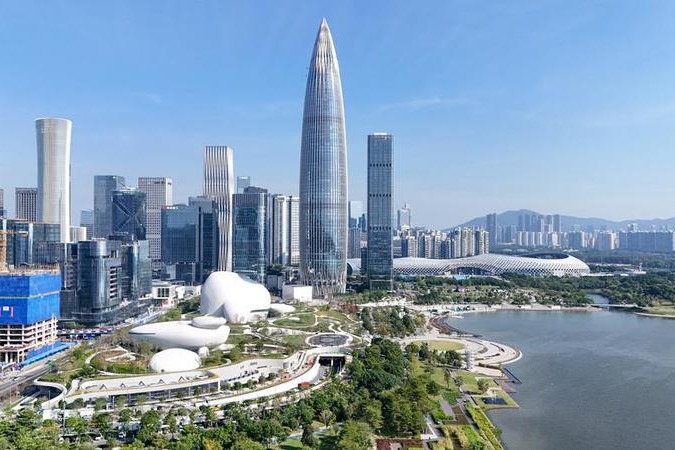
    Shenzhen inaugurated the Asia-Pacific Economic Cooperation (APEC) Symposium and Informal Senior Officials’ Meeting (ISOM) on Thursday, December 11, 2025, marking China’s formal commencement of its host responsibilities for the 2026 APEC Economic Leaders’ Meeting. The two-day gathering at Shenzhen Bay Culture Square represents the inaugural event of what officials are calling the APEC ‘China Year,’ setting the stage for China’s leadership role in shaping regional economic cooperation throughout the coming year.

    The symposium brings together senior officials from APEC’s 21 member economies to establish preliminary dialogues on key regional priorities. While specific agenda items remain undisclosed, the meeting is expected to lay groundwork for addressing pressing economic challenges, enhancing trade facilitation, and promoting sustainable development initiatives across the Asia-Pacific region.

    Shenzhen, China’s technology and innovation hub, provides a symbolic backdrop for discussions on digital transformation and economic modernization. The selection of this southern Chinese metropolis underscores China’s emphasis on technological advancement as a cornerstone of regional economic strategy. The proceedings will likely establish foundational frameworks for more substantive negotiations throughout China’s host year, culminating in the major Economic Leaders’ Meeting scheduled for 2026.

    This preliminary gathering serves as a crucial diplomatic platform for China to demonstrate its commitment to multilateral economic cooperation and establish priorities for its APEC presidency. The outcomes of these initial discussions will shape the agenda for subsequent ministerial meetings and working groups throughout the coming months.

  • Triple liftoff: Long March rockets set a record

    Triple liftoff: Long March rockets set a record

    China’s space program made history on Tuesday by successfully executing three separate orbital launches within a single day, setting a new national record for space mission frequency. The unprecedented achievement demonstrates remarkable coordination capabilities within China’s aerospace industry.

    The day’s space operations commenced at 6:11 AM with the launch of a Long March 6A rocket from the Taiyuan Satellite Launch Center in Shanxi province. This medium-lift vehicle deployed multiple internet satellites destined to join China’s expanding mega-constellation network, which already comprised over 110 operational satellites prior to this deployment.

    Approximately five and a half hours later, a Long March 4B rocket ascended from the Jiuquan Satellite Launch Center in Inner Mongolia, carrying the Yaogan 47 satellite into orbit. This Earth observation satellite will perform critical functions including land resource surveys, urban mapping, agricultural monitoring, and environmental protection support.

    The day’s final launch occurred at 11:08 PM from the Xichang Satellite Launch Center in Sichuan province, where a Long March 3B rocket delivered the Communication Technology Demonstrator 22 satellite to orbit. This experimental communications satellite will conduct signal transmission tests, data relay operations, and television program broadcasting experiments.

    Space technology expert Pang Zhihao emphasized the extraordinary coordination required for such an achievement, noting that successful rocket launches depend on extensive ground support infrastructure including tracking stations, telemetry facilities, and satellite control centers spread across the country. The simultaneous operation of multiple launch facilities demonstrates China’s advanced capabilities in mission planning and execution within its state-run space program.

    All three rocket models were developed by subsidiaries of the China Aerospace Science and Technology Corporation (CASC), the nation’s primary state-owned space contractor, highlighting the organization’s technical proficiency and operational capacity.

  • Researcher finds home for the soul in Xizang

    Researcher finds home for the soul in Xizang

    For over two decades, Wuhan Textile University professor Niu Xue has embarked on an annual pilgrimage to document the evolving cultural landscape of Tibet. The 48-year-old innovation and design scholar has dedicated approximately 600 days across 21 years to capturing the region’s authentic moments through his lens, despite battling recurring altitude sickness during his extended stays.

    Niu’s photographic archive reveals a rich tapestry of Tibetan life—from farmers transporting goods on traditional wooden carts to the emerging cycling culture along Highway 318, and newlyweds celebrating before the iconic Potala Palace. His work transcends mere academic interest, representing what he describes as a profound spiritual connection to the land and its people.

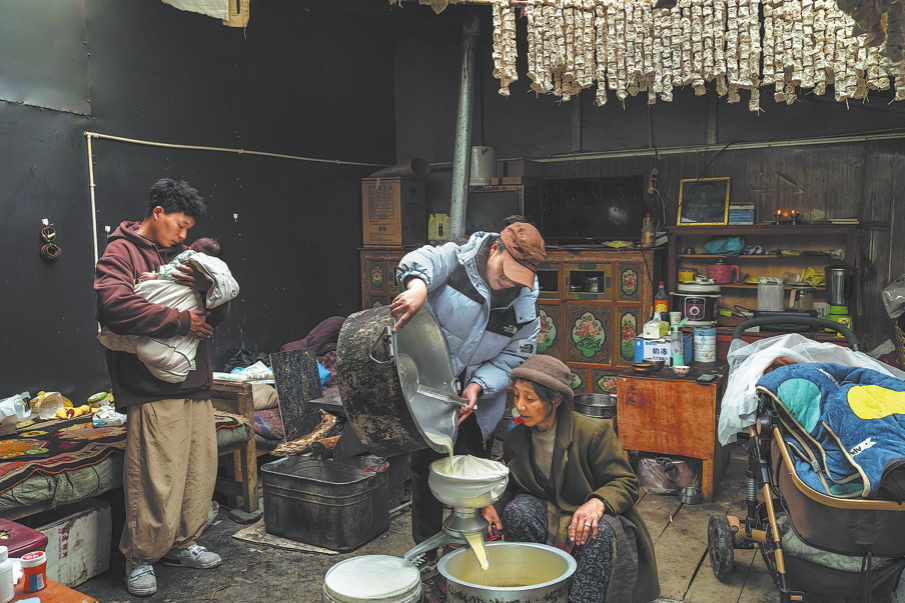
    Among his most compelling subjects is Drolkar, a resident of Yumai township whose family has safeguarded remote border areas through pastoral traditions for 32 years. Niu first documented Drolkar in 2018, capturing her crafting butter and cheese with her daughter in their summer pasture dwelling. Subsequent visits in 2023 and 2025 revealed both the passage of time and continuity of tradition, as he photographed her using slingshots to manage livestock and recorded multi-generational family activities.

    The professor recently involved his students in this documentary project, believing that visual elements—specific frames, colors, and contextual details—combine to create emotional narratives that communicate deeper cultural understandings. Through his ongoing work, Niu bridges the geographical and cultural distance between central China and Tibet, bringing authentic Tibetan experiences into his Wuhan classroom while preserving vanishing aspects of traditional life.

  • Four French men accused of A$10m Australia jewellery heist

    Four French men accused of A$10m Australia jewellery heist

    Australian authorities have apprehended four French nationals in connection with an audacious cross-continental burglary operation targeting high-value luxury items. The suspects, aged between 28 and 37, allegedly traveled specifically from France to Australia in October to execute a meticulously planned heist that netted over 70 luxury items from a property in Canberra.

    The stolen collection included an exceptionally rare Richard Mille ‘Smiley’ timepiece valued at approximately A$5 million (US$3.3 million), distinguished by its yellow gold smiley face motif and pink flamingo design. Additional items taken comprised luxury handbags, high-end jewelry, and other premium watches from renowned luxury houses.

    According to police reports, the operation unfolded with cinematic precision. Just four days following the burglary, Australian law enforcement located and arrested the quartet at a Sydney KFC outlet. Subsequent raids on a rented Sydney property yielded recovery of several stolen items, including multiple Hermès handbags.

    Detective Acting Inspector Battye expressed astonishment at the international scale of the criminal operation, noting: ‘I’ve been in the job for a long time. I’ve never seen a burglary of this magnitude… and with people flying over from the other side of the world.’

    In a coordinated international effort, French authorities have recovered additional items that were allegedly stolen during a separate burglary in Sydney’s affluent Vaucluse suburb and subsequently shipped to France.

    Despite these recoveries, several exceptional pieces remain missing, including two Hermès diamond double rings, a Van Cleef & Arpels necklace featuring signature four-leaf clover designs, and two Patek Philippe watches. Police have characterized these missing items as particularly distinctive and valuable, noting they would be difficult to dispose of on conventional markets.

    The four accused appeared in court on Thursday and are scheduled to return for further proceedings in January. Australian police maintain that the incidents represent a targeted operation by individuals who specifically traveled to Australia to commit these offenses.

  • More than 30 dead after Myanmar military air strike hits hospital

    More than 30 dead after Myanmar military air strike hits hospital

    In a severe escalation of violence, Myanmar’s military junta conducted an aerial bombardment that struck a hospital in Mrauk-U town, Rakhine State, on Wednesday night, resulting in a significant civilian death toll. Local sources confirm at least 34 fatalities, with dozens more injured, many of whom were patients receiving medical care.

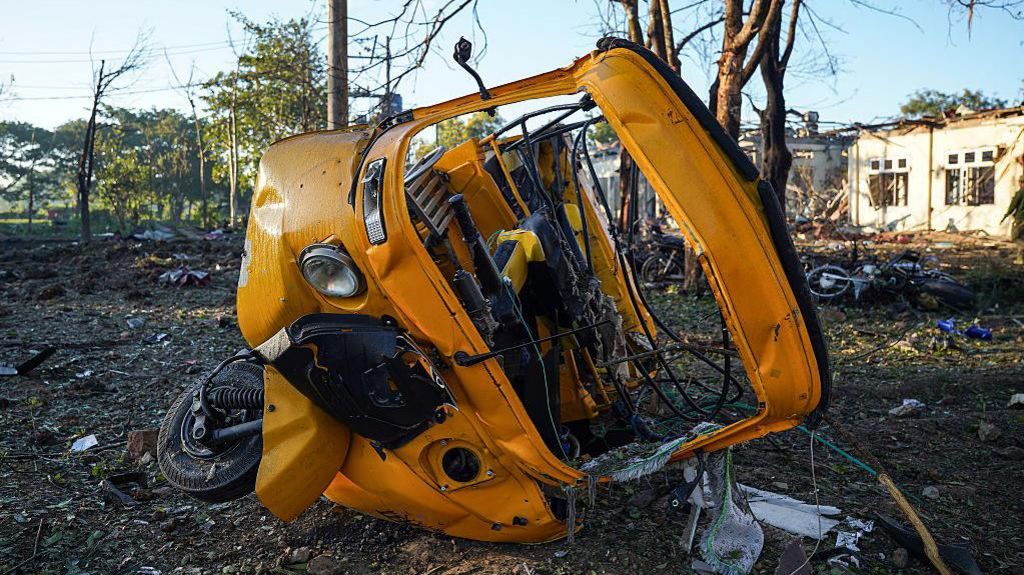
    The targeted facility lies within a region controlled by the Arakan Army, a prominent ethnic armed organization engaged in prolonged conflict against the military regime. The attack, occurring at approximately 21:00 local time, inflicted extensive damage, photos from the scene reveal collapsed structures, shattered medical equipment, and debris scattered across the compound.

    This incident underscores the junta’s intensified reliance on aerial assaults and unconventional tactics, including bomb-dropping paragliders, to reclaim territories lost to ethnic militias. Analysts attribute recent military gains to enhanced technological and equipment support from international allies such as China and Russia.

    The regime has refrained from commenting on the hospital strike, which coincides with preparations for the nation’s first general election since the 2021 coup. Pro-military channels on Telegram deny deliberately targeting civilians, asserting operations aim at militant strongholds.

    However, Khaing Thukha, spokesperson for the Arakan Army, condemned the act as a ‘vicious attack by the terrorist military,’ emphasizing the victims’ non-combatant status and demanding accountability.

    Amid the turmoil, the scheduled December 28 election faces widespread skepticism. United Nations human rights expert Tom Andrews labels it a ‘sham election,’ intended to fabricate legitimacy for the junta. Reports indicate arrests of political dissidents and anti-election activists, while ethnic armies and opposition groups boycott the polls, further destabilizing the prospect of peaceful resolution.

  • Chinese scientists use allergy-like immune response for cancer therapy

    Chinese scientists use allergy-like immune response for cancer therapy

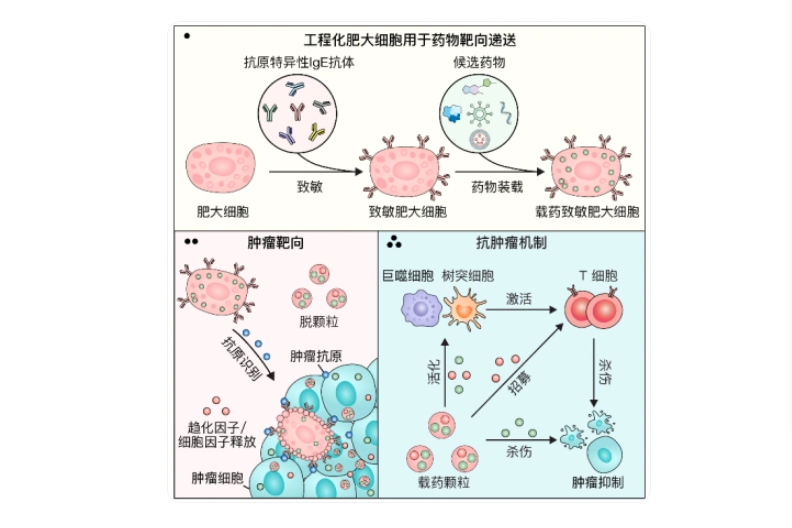
    In a groundbreaking development published in the journal Cell, Chinese researchers have successfully engineered one of the body’s most rapid immune mechanisms into a potent weapon against cancer. The innovative approach leverages mast cells—typically associated with allergic reactions like sneezing and hives—to trigger targeted inflammatory attacks within tumors.

    The collaborative research effort between Zhejiang University and the First Hospital of China Medical University focused on reprogramming these immune cells to recognize and assault cancer tissue. Professor Gu Zhen from Zhejiang University’s School of Pharmacy explained that the team drew inspiration from the extreme responsiveness of allergic reactions to overcome tumor immunosuppression.

    Through sophisticated bioengineering, scientists equipped mast cells with tumor-specific IgE antibodies that function as precision guidance systems. When administered intravenously, these modified cells migrate directly to cancerous growths and discharge their inflammatory payload upon contact with target cells.

    This deliberately induced allergy-like reaction within the tumor microenvironment transforms immunologically ‘cold’ tumors—those typically invisible to immune detection—into ‘hot’ tumors that become vulnerable to attack by cancer-killing T-cells. The strategy demonstrated significant efficacy across multiple mouse models including melanoma, breast cancer, and lung metastases.

    The research team further enhanced the platform by utilizing mast cells as biological delivery vehicles for oncolytic viruses. By concealing these tumor-destroying viruses within protective cellular vesicles, the system ensures safe transport through the bloodstream until activation at the cancer site.

    Notably, the technology proved effective in human-derived tumor models using mast cells targeted against the HER2 cancer marker. This success indicates potential for personalized cancer treatment through matching IgE antibodies to patient-specific tumor markers.

    Beyond viral delivery, the mast cell platform demonstrates versatility in transporting diverse therapeutic agents including conventional drugs, proteins, antibodies, and nanomedicines. Researchers envision a future where multiple treatment modalities could be integrated within a single cellular therapy system.

    The research team is now developing workflows for patient-specific antibody selection, scaling manufacturing processes for therapeutic mast cells, and exploring combinations with existing immunotherapies to accelerate clinical application.