博客

  • Analysts call for stronger Beijing-Jakarta relations

    Analysts call for stronger Beijing-Jakarta relations

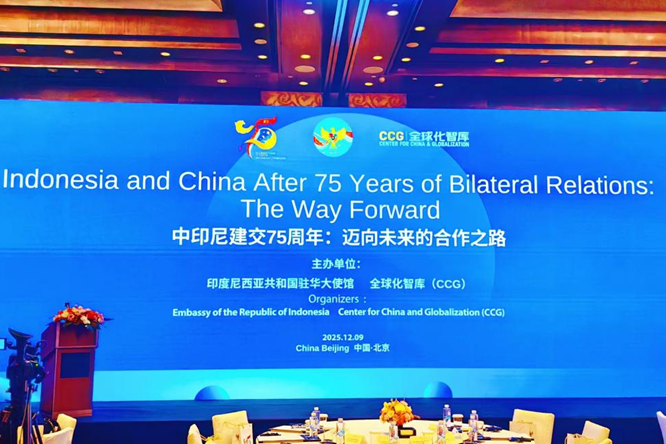
    Senior officials and policy experts convened in Beijing this week to chart the future course of Sino-Indonesian relations, marking 75 years of diplomatic engagement between the two nations. The forum, jointly organized by the Indonesian Embassy and the Center for China and Globalization, highlighted the substantial progress achieved through their comprehensive strategic partnership established in 2013.

    Indonesian Ambassador to China Djauhari Oratmangun emphasized the remarkable expansion of bilateral cooperation across five fundamental pillars: political coordination, economic collaboration, maritime partnership, cultural exchanges, and security cooperation. Trade relations have demonstrated particularly robust growth, surging from $79 billion in 2019 to $147 billion in the previous year, while China has consistently ranked among Indonesia’s top three investment sources throughout the past five years.

    The recent state visit by Indonesian President Prabowo Subianto, who selected China as his inaugural overseas destination following his inauguration, further underscores the strategic significance both nations attribute to their bilateral relationship. Ambassador Oratmangun noted that Indonesia’s recent accession to BRICS presents additional opportunities for enhanced cooperation within this multilateral framework, potentially advancing the collective interests of developing nations while promoting a more balanced global economic architecture.

    Academic perspectives from both countries highlighted the relationship’s resilience amid global uncertainties. Xue Song, a researcher at Fudan University’s Institute of International Studies, identified China’s evolving role as Indonesia’s principal partner not only in traditional infrastructure projects but increasingly in downstream industries and digital economy initiatives. The successful implementation of flagship projects like the Jakarta-Bandung High-Speed Railway was cited as evidence of tangible benefits delivered to local communities.

    Experts addressed the broader geopolitical context, with Rizal Sukma of Indonesia’s Centre for Strategic and International Studies advocating for continued commitment to inclusive regionalism. He emphasized that Southeast Asia and the wider Asia-Pacific should remain zones of peaceful cooperation rather than arenas for unilateralism or great-power competition.

    Xu Liping, Director of the Center for Southeast Asian Studies at the Chinese Academy of Social Sciences, emphasized the shared responsibility of both nations as major Global South countries to contribute to more equitable global governance frameworks. The consensus among participants pointed toward deepened political dialogue, expanded economic cooperation, and enhanced people-to-people exchanges as essential components for future bilateral progress.

  • Line 4 of Fuzhou Metro begins operation

    Line 4 of Fuzhou Metro begins operation

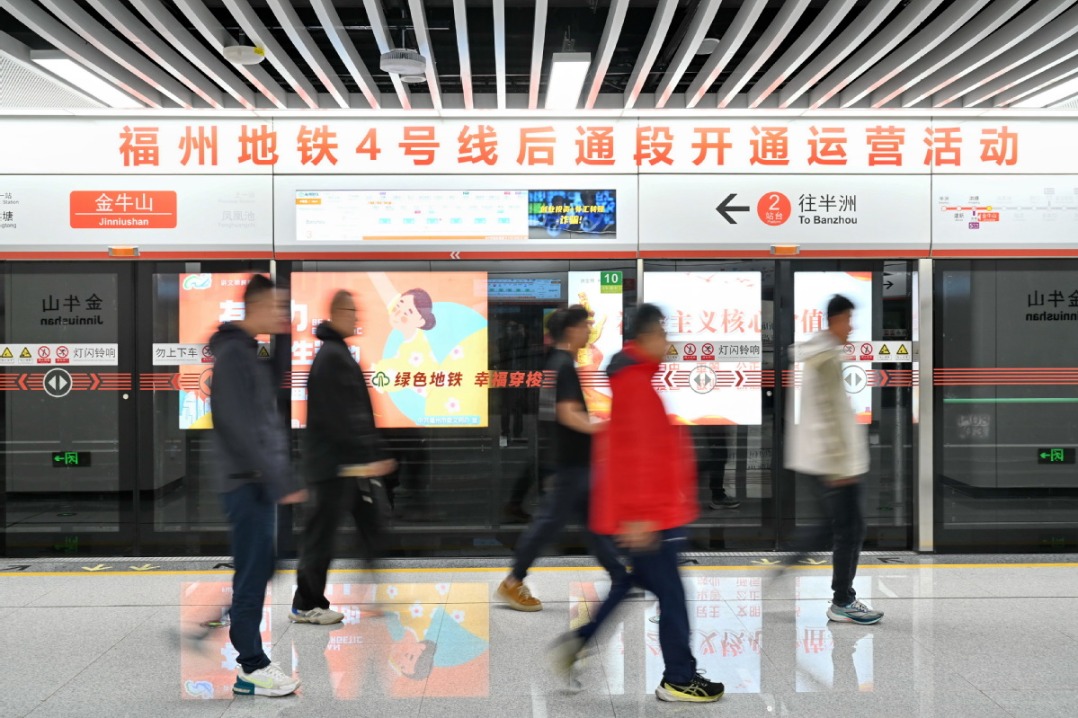
    Fuzhou, the capital of China’s Fujian province, has entered a new era of urban transportation with the official commencement of operations for Metro Line 4 on Wednesday, December 10, 2025. The newly activated line represents a significant infrastructure achievement for the rapidly developing coastal city.

    Eyewitness reports from Xinhua News Agency captured the inaugural moments as the first passengers experienced the state-of-the-art system. The metro line features modern stations equipped with contemporary amenities designed to enhance commuter experience while adhering to international public transit standards.

    This expansion forms part of Fuzhou’s comprehensive strategy to address growing transportation demands and reduce urban congestion. The new route establishes critical connections between key urban districts, potentially transforming daily commutes for thousands of residents while improving access to commercial and cultural centers.

    Transportation experts highlight that Line 4’s operational launch demonstrates China’s continued investment in sustainable urban development through public transportation infrastructure. The project aligns with broader national initiatives promoting eco-friendly mobility solutions in rapidly urbanizing regions.

    Local authorities anticipate the new line will significantly decrease average travel times across the city while contributing to reduced carbon emissions through decreased reliance on private vehicles. The metro expansion is expected to serve as a catalyst for economic development along its corridor, potentially stimulating commercial and residential growth in previously less accessible areas.

  • Library under construction in South Korea collapses, killing 1 and trapping 3 under rubble

    Library under construction in South Korea collapses, killing 1 and trapping 3 under rubble

    A catastrophic structural failure occurred on Thursday at a library construction site in Gwangju, South Korea, resulting in one confirmed fatality and three workers remaining trapped beneath debris. Emergency response teams initiated a large-scale rescue operation following the collapse, which completely buried four construction workers during ongoing operations.

    Local emergency official Ahn Gyun-jae confirmed during a televised press conference that one worker was successfully extracted from the wreckage but subsequently pronounced dead upon arrival at a nearby medical facility. Rescue teams have successfully located a second individual within the collapsed structure and are currently engaged in complex extraction efforts amid unstable conditions.

    The comprehensive rescue mission has deployed advanced technological resources including thermal imaging equipment to detect body heat signatures, aerial drones for site assessment, and specially trained canine units to identify human presence within the rubble. Heavy machinery including multiple cranes has been mobilized to carefully remove large structural components while ensuring the safety of both trapped individuals and rescue personnel.

    The incident has triggered an investigation into construction safety protocols and structural engineering practices within South Korea’s building industry. Local authorities have cordoned off the entire construction zone as emergency operations continue through the night, with concerns mounting about the structural integrity of adjacent buildings and the potential for further collapse during rescue efforts.

  • Competition to spotlight rescue robots, embodied intelligence

    Competition to spotlight rescue robots, embodied intelligence

    Shanghai is poised to become the epicenter of embodied intelligence innovation as it prepares to host the Global Developer Pioneers Summit 2025 alongside the International Embodied Intelligence Competition. The event, taking place December 12-14 at Zhangjiang Science Hall in Pudong New Area, will showcase groundbreaking advancements in rescue robotics technology that could revolutionize disaster response operations worldwide.

    The competition’s centerpiece will feature autonomous robots navigating a complex 30-square-meter simulated disaster environment designed to test their operational capabilities in extreme conditions. These advanced machines will demonstrate remarkable physical prowess by transporting heavy supplies exceeding 40 kilograms, traversing rubble obstacles 30 centimeters high, and climbing stairs 25 centimeters tall. Unlike conventional remotely operated vehicles, these robots possess sophisticated sensory systems that enable autonomous environmental perception and interaction.

    A distinguished roster of participants includes teams from Fudan University, Shanghai Jiao Tong University, Unitree Robotics, and Siasun Robot and Automation. The competing robots exhibit exceptional mechanical capabilities, with some models generating joint torque up to 360 Newton-meters and maintaining stability on inclines of 25-30 degrees.

    Beyond physical demonstrations, the event will highlight the robots’ reconnaissance functionalities, serving as critical ‘second eyes’ for human commanders. Developed through the National and Local Co-Built Humanoid Robotics Innovation Center, these systems can process and transmit vital environmental data, including precise measurements of narrow passages for navigation assessment.

    Shanghai’s substantial investment in embodied intelligence research reflects the growing recognition of robots’ potential to operate in high-risk environments instead of human responders. The city has established an ambitious 100 billion yuan ($14.16 billion) industry fund to accelerate development in this sector. The Pudong-based Innovation Center functions as the central hub for this research, providing comprehensive training and testing facilities for next-generation robotics.

    Additionally, Shanghai is implementing a comprehensive artificial intelligence initiative that leverages large-scale models to transform various aspects of urban infrastructure and daily life. The summit will also feature a flower arrangement competition designed to showcase the robots’ delicate manipulation capabilities, highlighting the versatility of embodied intelligence applications.

  • Chinese tourists explore alternative destinations

    Chinese tourists explore alternative destinations

    A significant reconfiguration is underway across Asia-Pacific tourism markets as Chinese travelers pivot from traditional destinations following recent diplomatic strains between Beijing and Tokyo. Travel analytics firms report substantial booking surges for South Korea and Southeast Asian nations as Chinese tourists seek alternatives to Japan.

    Market intelligence from China Trading Desk reveals South Korea has emerged as the foremost overseas destination for Chinese travelers across major booking platforms. CEO Subramania Bhatt noted particularly strong demand for Seoul and Jeju Island, while Singapore, Thailand, Malaysia, and Vietnam are experiencing double-digit percentage increases in search volumes and bookings week-on-week.

    This market shift follows China’s November 14 travel advisory cautioning citizens against visiting Japan due to security concerns, issued after provocative remarks by Japanese Prime Minister Sanae Takaichi regarding Taiwan. Flight cancellation data from Umetrip indicates over 40% of scheduled mainland China-Japan flights were canceled in December, totaling more than 1,900 canceled flights.

    According to Wolfgang Georg Arlt of the China Outbound Tourism Research Institute, the redirection of China’s substantial outbound tourism market—which saw 7.5 million visitors to Japan in the first three quarters of 2025—presents significant opportunities for regional competitors. “There will be a shift not only to South Korea but also to other destinations in ASEAN and other regional destinations,” Arlt confirmed.

    Destination markets are actively capitalizing on this opportunity. South Korea is developing customized tourism products and increasing flight capacity, with Asiana Airlines planning 165 weekly flights to China by March—a 20% capacity increase. Malaysia anticipates approximately 30,000 additional Chinese visitors in December alone, leveraging its visa-free policy and improved flight connectivity.

    Industry experts suggest this redistribution could represent more than a temporary adjustment if travel warnings persist, potentially enabling Southeast Asia and broader Asian destinations to capture a larger structural share of China’s outbound tourism demand, particularly with the approaching Chinese New Year holiday period in February.

  • Progress grows on seed vault project in Xiong’an

    Progress grows on seed vault project in Xiong’an

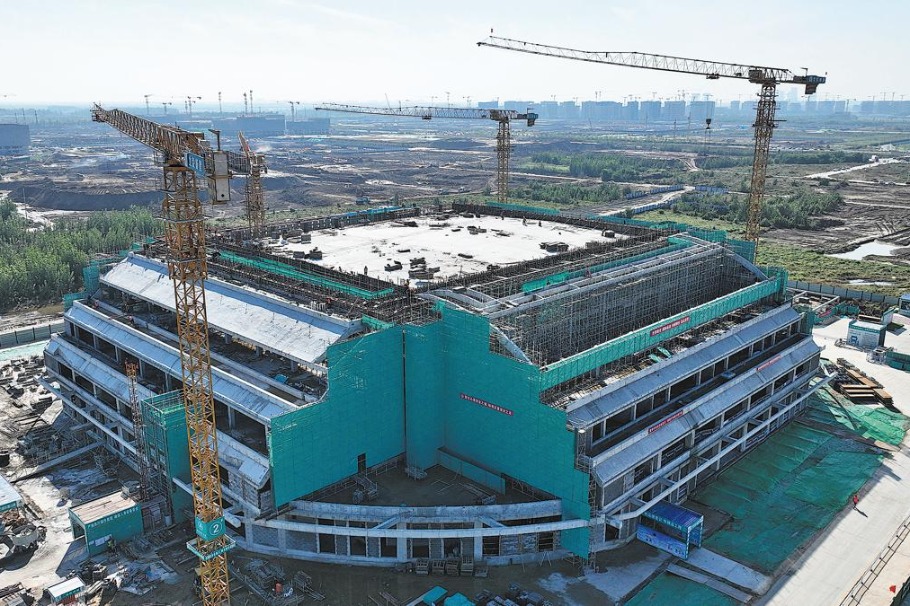
    A significant advancement in China’s ecological conservation infrastructure has been achieved with the structural completion of the National Facility Preservation Bank for Forestry and Grassland Germplasm Resources in Xiong’an New Area. This state-of-the-art facility, projected to become operational by 2028, represents a groundbreaking initiative in preserving the nation’s botanical biodiversity against escalating environmental threats.

    Professor Wang Jun, deputy director of the facility’s operation center at Beijing Forestry University, characterizes the project as a comprehensive biological insurance system. “This facility functions as a secure repository for forest and grass genetic materials,” Wang explained. “When plant species face extinction from climate change, pathogens, or other ecological disasters, we maintain the capability to restore them using preserved germplasm resources.”

    The Xiong’an preservation bank serves as the central node within a national network comprising one primary facility and six subsidiary banks. Jointly developed by the National Forestry and Grassland Administration and the Ministry of Education, with operational management delegated to Beijing Forestry University, the institution will coordinate nationwide conservation efforts for critical plant genetic materials.

    Engineering the facility presented extraordinary technical challenges due to the immense diversity of plant biological characteristics. “Preservation requirements vary tremendously across species,” Wang noted. “Genetic materials range from seed specimens comparable to sports balls in size to those resembling fine sand particles. Certain species produce no seeds whatsoever, necessitating alternative preservation methods including dormant buds, DNA archives, and in-vitro plant cultures.”

    Innovative architectural solutions address these complexities through specialized functional zones equipped with advanced preservation technologies. The facility incorporates cryogenic storage units, DNA banking systems, and intelligent greenhouse environments capable of maintaining optimal conditions for diverse plant species.

    The Xiong’an bank pioneers systematic germplasm collection based on geographical variations within species—a critical innovation given China’s complex ecosystems. “Long-term evolutionary adaptation has created distinct genetic variations across different regions,” Wang emphasized. “A southern seed variety may lack drought resistance necessary for northern climates, while high-altitude plants could perish in low-altitude environments. Our collection strategy captures this essential genetic diversity through comprehensive geographical sampling.”

    Advanced technologies including big data analytics and artificial intelligence will enhance the facility’s operations, enabling field researchers to accurately identify species and their unique variants. Upon completion, the institution will implement intelligent sensing and automated preservation systems, establishing complete informational management throughout the germplasm collection, preservation, and distribution processes.

    This national biodiversity safeguard system will ultimately provide resilient ecological restoration capabilities across China’s varied landscapes, ensuring appropriate genetic resources are available for ecosystem rehabilitation anywhere in the country.

  • South Korea’s ex-acting leader indicted over former president’s martial law imposition

    South Korea’s ex-acting leader indicted over former president’s martial law imposition

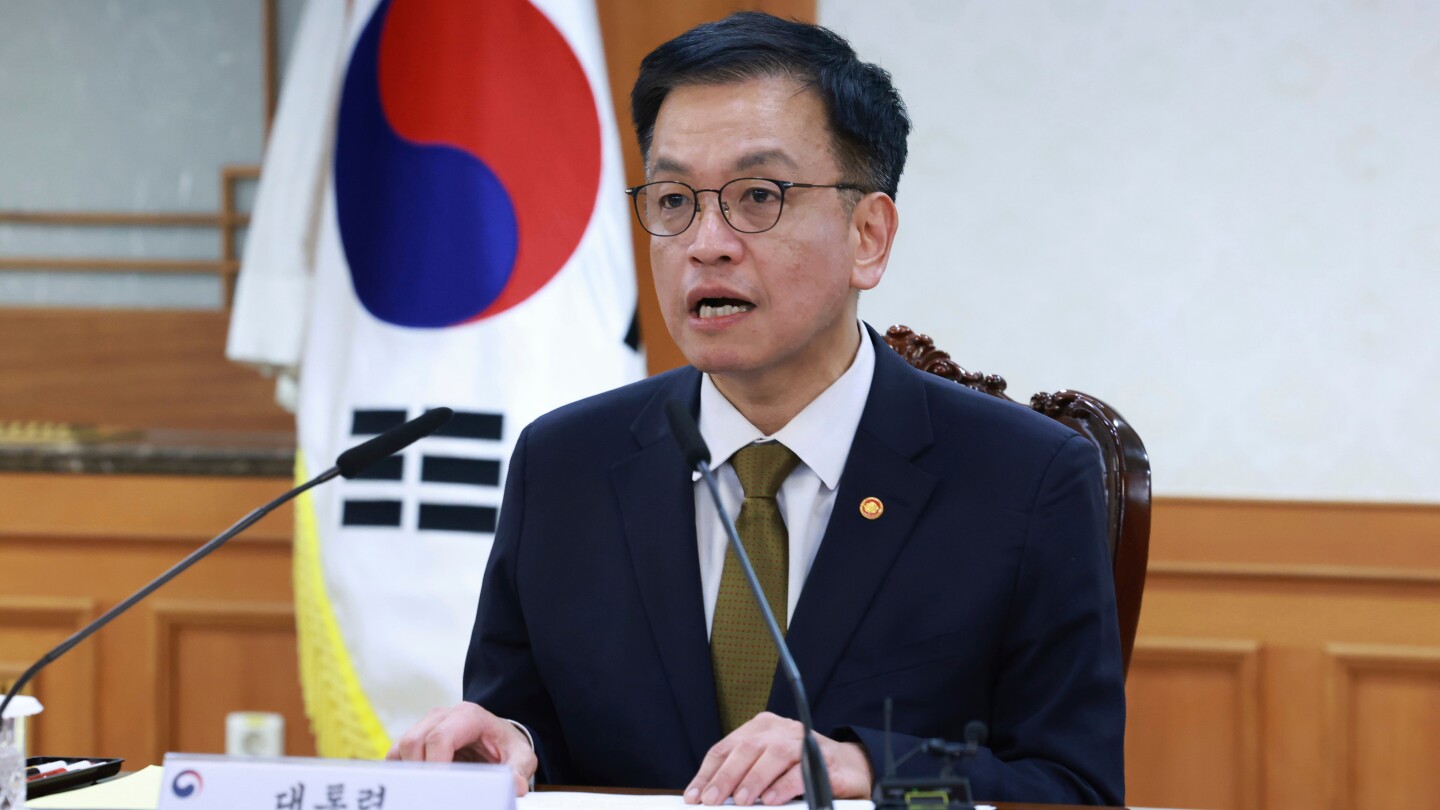
    South Korea’s political landscape continues to be shaken by the aftermath of former President Yoon Suk Yeol’s controversial martial law declaration in December 2024, with former acting leader Choi Sang-mok becoming the latest high-ranking official to face criminal indictment. The Seoul Central District Court unsealed charges Thursday against Choi for alleged dereliction of duty during his interim presidency.

    The indictment centers on Choi’s failure to fully restore the Constitutional Court’s nine-justice panel during the critical period when the court was deliberating Yoon’s impeachment. While Choi appointed two new justices, he left the ninth position vacant, citing lack of bipartisan consensus. This omission proved significant as the court subsequently delivered a unanimous decision to remove Yoon from office in April, requiring at least six justices’ support for the ruling.

    Choi, who previously served as Yoon’s deputy prime minister and finance minister, now faces additional perjury charges related to his testimony during the trial of another former acting leader, Han Duck-soo. Han, who served as Yoon’s prime minister, was indicted in August on more serious charges of facilitating Yoon’s martial law imposition. Prosecutors allege Han attempted to legitimize Yoon’s martial law decree through Cabinet Council procedures, though Han maintains he opposed the plan.

    The investigation team led by independent counsel Cho Eun-suk also indicted five other individuals Thursday, including Yoon’s justice minister, bringing the total number of officials implicated in the martial law crisis to dozens of high-level figures. Yoon himself remains incarcerated while facing rebellion charges.

    This case represents one of three independent counsel probes targeting Yoon, his associates, and family members approved by current President Lee Jae Myung, who assumed office following June’s special election. In a related development, Oceans Minister Chun Jae-soo offered his resignation Thursday amid bribery allegations connected to the Unification Church scandal that has ensnared Yoon’s wife, Kim Keon Hee, and church leader Hak Ja Han. President Lee has called for comprehensive investigations into all allegations involving politicians and religious organizations.

  • 2 Chinese pioneers honored by Nature

    2 Chinese pioneers honored by Nature

    Two Chinese scientists have earned prestigious recognition from Nature magazine, securing positions on the publication’s annual list of ten individuals who have significantly influenced scientific progress in 2025. The honorees include AI innovator Liang Wenfeng and geoscientist Du Mengran, representing breakthroughs in artificial intelligence and deep-sea exploration respectively.

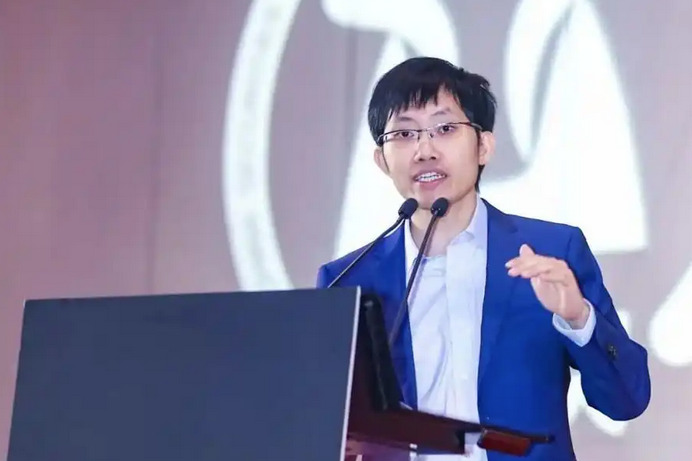
    Liang Wenfeng, founder of DeepSeek and described by Nature as a ‘tech disruptor,’ revolutionized the artificial intelligence landscape through his development of an exceptionally powerful yet cost-effective large language model. His groundbreaking approach demonstrated that the United States’ lead in AI technology was not as substantial as previously believed. In an unprecedented move, Liang made his model’s weights openly accessible—the first major AI developer to do so—enabling researchers worldwide to freely download, study, and build upon his work.

    This open-access philosophy has proven transformative, accelerating global AI development as competing companies felt compelled to release their own open models. According to research published by Liang in Nature this September, his model exhibits exceptional problem-solving capabilities as a reasoning model while maintaining remarkably low training costs. The entire development process for the basic model required just $6 million, substantially less than comparable projects from rival organizations.

    Meanwhile, Du Mengran, a geoscientist from the Institute of Deep-sea Science and Engineering at the Chinese Academy of Sciences, earned her designation as a ‘deep diver’ through pioneering work in the hadal zone—the ocean’s deepest layer extending beyond 6,000 meters. Currently leading a new expedition, Du emphasized that deep-sea exploration presents challenges even more formidable than space exploration.

    Du’s recognition stems from her discovery of Earth’s deepest known chemosynthetic ecosystems during last year’s expedition using China’s advanced Fendouzhe submersible. Through 24 dives averaging six hours each, Du and her colleagues documented survival mechanisms that could revolutionize life sciences research and enhance understanding of the global carbon cycle.

    She credited China’s strategic foresight in deep-sea research over the past decade, including the development of specialized diving equipment, creation of novel materials, and leadership in global trench exploration programs. ‘This honor belongs not to me alone but to the entire hadal exploration team,’ Du stated, emphasizing the collaborative nature of scientific discovery. Her ongoing expedition continues the principle that understanding the unknown requires direct observation and experience.

  • Training reform builds pool of top engineers

    Training reform builds pool of top engineers

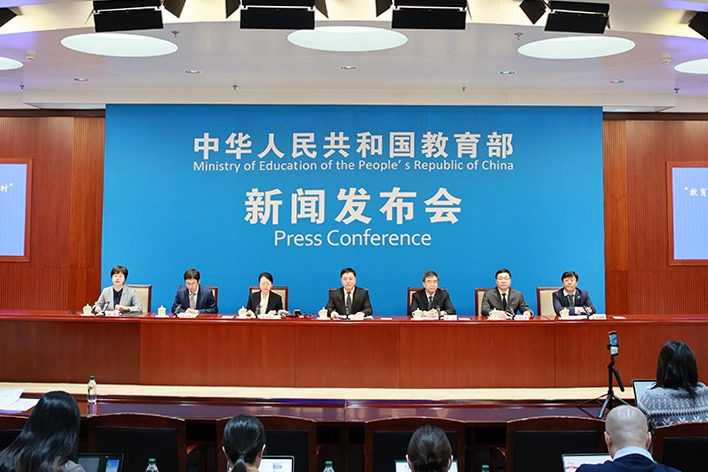
    China’s groundbreaking Excellence Engineer Initiative has successfully enrolled approximately 26,000 master’s and doctoral students since its inception three years ago, marking a transformative shift in engineering education. Launched in 2022 through collaboration between nine government bodies including the Organization Department of the CPC Central Committee and the Ministry of Education, the program represents a comprehensive redesign of traditional training methodologies.

    The program’s core innovation lies in its deep integration of academic institutions and industrial enterprises. Universities and corporations jointly manage student enrollment, define research objectives, supervise training processes, and share outcomes. This collaborative framework extends to integrated faculties, interconnected curricula, shared platforms, and aligned policies, creating a seamless ecosystem for engineering education.

    To operationalize this initiative, the Ministry of Education partnered with the State-owned Assets Supervision and Administration Commission to establish 50 national Excellence Engineer institutes, involving eight major centrally administered State-owned enterprises and 32 leading universities. Authorities have additionally approved 41 new engineering master’s and doctoral programs with individually allocated recruitment quotas, featuring joint enrollment teams co-led by university presidents and corporate executives.

    Wu Gang, Director of the Ministry of Education’s Department of Degree Management and Postgraduate Education, emphasized that developing world-class engineers is essential for integrating education, technology, and human resources development. The initiative addresses urgent needs for modern industrial system construction and represents a strategic move to enhance national competitiveness, particularly during China’s upcoming 15th Five-Year Plan period (2026-30).

    A distinctive feature requires mandatory enterprise practice—minimum one year for master’s students and two years for doctoral candidates—ensuring students tackle real-world problems with actual industrial resources. The curriculum has been fundamentally reshaped with enterprises contributing over 10,000 industry challenges as primary research topics. More than 13,000 enterprise experts, including 2,000 chief engineers, serve as industry mentors, while hundreds of university professors have assumed roles within enterprises.

    In alignment with China’s Degree Law, solving significant engineering problems has become the primary criterion for degree conferment, moving away from purely academic metrics. Already, over 60 students have earned degrees based on practical achievements including product designs and major equipment innovations.

    The inaugural cohort of 2,000 engineering master’s graduates has generated more than 2,500 innovation results, with over 81% choosing to remain with key enterprises in their field. Many received direct employment offers, waived probation periods, and seniority recognition.

    Tsinghua University Vice-President Wu Huaqiang cited the example of student Lu Yang, whose research on superthick coatings for heavy-duty gas turbines resolved a critical bottleneck, with results directly applied to a domestically developed engine. Wang Mingfeng of the Chinese Aeronautical Establishment noted that the model effectively closes the ‘last mile’ for graduates to become immediately productive professionals.

  • APEC Symposium and Informal Senior Officials’ Meeting held in Shenzhen

    APEC Symposium and Informal Senior Officials’ Meeting held in Shenzhen

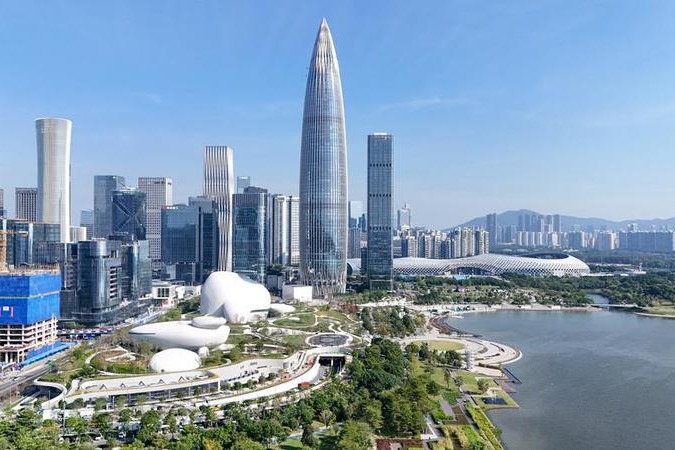
    Shenzhen inaugurated the Asia-Pacific Economic Cooperation (APEC) Symposium and Informal Senior Officials’ Meeting (ISOM) on Thursday, December 11, 2025, marking China’s formal commencement of its host responsibilities for the 2026 APEC Economic Leaders’ Meeting. The two-day gathering at Shenzhen Bay Culture Square represents the inaugural event of what officials are calling the APEC ‘China Year,’ setting the stage for China’s leadership role in shaping regional economic cooperation throughout the coming year.

    The symposium brings together senior officials from APEC’s 21 member economies to establish preliminary dialogues on key regional priorities. While specific agenda items remain undisclosed, the meeting is expected to lay groundwork for addressing pressing economic challenges, enhancing trade facilitation, and promoting sustainable development initiatives across the Asia-Pacific region.

    Shenzhen, China’s technology and innovation hub, provides a symbolic backdrop for discussions on digital transformation and economic modernization. The selection of this southern Chinese metropolis underscores China’s emphasis on technological advancement as a cornerstone of regional economic strategy. The proceedings will likely establish foundational frameworks for more substantive negotiations throughout China’s host year, culminating in the major Economic Leaders’ Meeting scheduled for 2026.

    This preliminary gathering serves as a crucial diplomatic platform for China to demonstrate its commitment to multilateral economic cooperation and establish priorities for its APEC presidency. The outcomes of these initial discussions will shape the agenda for subsequent ministerial meetings and working groups throughout the coming months.