博客

  • Chinese legend White Snake reimagined through experimental theater in New York

    Chinese legend White Snake reimagined through experimental theater in New York

    NEW YORK—The ancient Chinese folktale of The Legend of the White Snake has undergone a transformative reinterpretation through experimental theater, captivating audiences at New York’s HERE Arts Center from December 14-16, 2025. The production titled ‘Qing Bai: Innocence’ represents a groundbreaking fusion of Eastern mythology and Western avant-garde performance techniques, created by a collaborative team of emerging Chinese theater artists.

    This innovative staging employed movement, sound, and physical gesture within an experimental framework to explore universal emotional themes transcending cultural boundaries. The creative team deliberately moved beyond conventional narrative structures, implementing an ‘ensemble approach’ that granted four central characters equal narrative weight and complete story arcs.

    Lead performer and co-playwright Ophelia He, who portrays the serpent spirit Bai Suzhen while simultaneously playing traditional pipa instrumentation, described the New York presentation as profoundly significant. ‘I feel honored to bring this beautiful piece of traditional Chinese culture to New York theaters,’ He stated, emphasizing the production’s accessibility despite cultural differences. ‘Even without prior knowledge of Chinese tradition or language, audiences can feel the emotional struggles and identities through performance and physical expression.’

    Director and co-playwright Tara Nyingje explained the production’s experimental nature: ‘I’m especially drawn to exploring how familiar stories can be reimagined through different forms of expression. This tale can be interpreted in numerous ways and understood from multiple perspectives.’

    The production faced unique linguistic challenges, performing primarily in Mandarin while projecting English surtitles rendered in deliberately archaic language to match the historical tone of the original dialogue. This approach, while potentially ‘awkward’ to modern ears, intentionally blended contemporary and ancient storytelling elements.

    The creative process, which began in September, formed part of a broader East Coast tour including performances at Brown and Yale Universities. For the artists involved, the project represents both cultural exploration and personal discovery, with He noting that her Western academic experience intensified her desire to investigate her Chinese cultural heritage. ‘This makes me look back and explore the underlying core of my own culture,’ she reflected.

    The team views their work as continuing the folktale’s evolutionary tradition—a story that has transformed across Chinese dynasties through retellings and adaptations. As Nyingje concluded, ‘Performance methods are primarily tools. The ongoing interest always lies in integrating Chinese cultural elements into experimental theater and testing how they could be combined.’


  • No more OTPs for UAE banking: Step-by-step guide to new 2026 payment system

    No more OTPs for UAE banking: Step-by-step guide to new 2026 payment system

    The United Arab Emirates banking sector is undergoing a transformative security shift as financial institutions progressively abandon traditional one-time passwords (OTPs) delivered via SMS or email. This strategic move responds to escalating cybersecurity threats including phishing attacks, SIM-swap fraud, and OTP interception that have compromised conventional verification methods.

    Leading financial institutions including Emirates NBD have pioneered the transition to an advanced app-based authentication framework. Under this new system, customers authorize card payments directly within their banking applications through secure push notifications coupled with biometric verification or smart pass PINs. This approach creates a protected, bank-controlled environment that significantly reduces vulnerability compared to external messaging channels.

    The practical implementation involves a streamlined four-step process: First, customers receive an authorization prompt during online payments directing them to their banking app instead of the traditional OTP pop-up. Simultaneously, an SMS alert notifies users to access their banking application. Second, upon login, users encounter a pending payment notification within the Activities section. Third, a dedicated review window displays comprehensive transaction details including merchant information and amount, accompanied by a two-minute countdown timer for decision-making. Finally, approval requires smart pass PIN verification, completing the transaction instantly without OTP involvement.

    This security enhancement is being implemented through a carefully structured phased rollout. Initial measures commenced on July 25, 2025, with UAE banks beginning the elimination of SMS and email OTPs for specific digital and card-based transactions. During this transitional phase, customers may encounter varying authentication methods depending on their financial institution, transaction type, and channel utilized. The complete discontinuation of traditional OTP systems is scheduled for March 2026, aligning with regulatory directives aimed at fortifying digital banking security infrastructure across the Emirates.

  • Spanish police evict hundreds of migrants from squat deemed a safety hazard

    Spanish police evict hundreds of migrants from squat deemed a safety hazard

    Authorities in northeastern Spain executed a court-ordered eviction on Wednesday to clear an abandoned school building in Badalona that had been occupied by approximately 400 undocumented migrants. The operation, carried out by Catalonia’s regional police in riot gear, targeted the facility that had become an informal settlement for predominantly sub-Saharan migrants from Senegal and Gambia since its abandonment in 2023.

    Most occupants had vacated the premises anticipating the enforcement action, leaving the structure largely empty when officials arrived. Badalona Mayor Xavier García Albiol, known for his conservative anti-immigration stance, announced the operation via social media, characterizing it as fulfillment of his promise to address what the town hall deemed a public safety hazard.

    The evacuation highlights Spain’s ongoing challenges with migration and housing accessibility. Legal representative Marta Llonch, advocating for the displaced residents, revealed that many survived through informal scrap metal collection while others held legal residency but couldn’t secure affordable housing. Llonch warned that without alternative accommodation solutions, the eviction would simply transfer the humanitarian crisis to public spaces, creating new challenges for both the individuals and municipality.

    This incident echoes a 2020 tragedy in Badalona when a fire at another migrant-occupied factory resulted in four fatalities. Spain’s position on migration remains distinctive among Mediterranean nations, with the current left-wing government acknowledging migration’s contribution to economic growth despite increasing anti-immigration sentiments across Europe.

  • PM2.5 drops to lowest level in Beijing in 1st 11 months of 2025

    PM2.5 drops to lowest level in Beijing in 1st 11 months of 2025

    Beijing has reached a significant environmental milestone, recording its cleanest air quality since comprehensive monitoring began. Municipal environmental authorities confirmed on December 17, 2025, that the Chinese capital’s average concentration of PM2.5—fine particulate matter considered most harmful to human health—dropped to unprecedented levels during the January-November period of 2025.

    The data reveals a remarkable improvement, with PM2.5 concentrations falling to 26.5 micrograms per cubic meter, representing a substantial 16.7 percent reduction compared to the same period in 2024. This achievement translates to 282 days of good air quality standards, extending the city’s blue-sky period by 23 additional days year-on-year.

    This environmental transformation stems from Beijing’s comprehensive, multi-faceted approach to pollution control. The city’s “0.1 microgram initiative” has driven incremental improvements across multiple sectors. Strategic measures include accelerating the transition to new energy vehicles, implementing stringent emissions controls at construction sites, and facilitating industrial green transformations.

    Additional successes include exceeding annual targets for clean heating renovations and completing ahead-of-schedule upgrades to cooking fume treatment systems in 1,401 catering establishments. These coordinated efforts demonstrate Beijing’s commitment to addressing pollution sources with surgical precision.

    Looking toward winter months, authorities have pledged enhanced targeted measures, refined pollution forecasting capabilities, and strengthened analytical systems to maintain air quality standards throughout the challenging heating season.

  • Number of digital consumers in China tops 958 million

    Number of digital consumers in China tops 958 million

    China’s digital economy has reached a monumental milestone with the nation’s digital consumer population exceeding 958 million during the first half of 2025, according to official data released by the China Internet Network Information Center (CNNIC). This substantial figure represents 85.3% of the country’s total internet users, underscoring the pervasive integration of digital technologies into everyday consumption patterns.

    The demographic breakdown reveals significant generational participation, with Generation Z (born between 1997-2012) constituting 27.2% of all digital consumers. Simultaneously, senior citizens aged 60 and above demonstrate growing digital adoption, accounting for 12.2% of the consumer base. Rural users have emerged as a substantial market segment, representing 26% of total digital consumers, indicating successful digital inclusion initiatives across China’s diverse geographical landscape.

    Consumer behavior analysis shows that 39.1% of internet users engaged in purchasing smart products during the reporting period, including smart home devices, digital gadgets, and wearable technology. The report also identified 8.2% of users buying blind boxes, IP-related merchandise, and anime-themed products online, reflecting the expanding diversity of digital marketplace offerings.

    A notable trend highlighted in the findings is the synergistic relationship between digital cultural content and consumer spending. Digital entertainment platforms are increasingly driving integrated expenditures across smart hardware, cultural experiences, and tourism services. The lifestyle services sector has witnessed remarkable growth, with over 223 million consumers utilizing online platforms for errands, home services, and maintenance by June 2025, demonstrating the practical applications of digital solutions in daily life.

    This massive digital consumer base represents a fundamental shift in China’s economic structure, where digital spending continues to play an increasingly vital role in overall consumption patterns. The data suggests a mature yet still expanding digital ecosystem that continues to evolve with technological advancements and changing consumer preferences.

  • South African immigration authorities raid a US refugee processing center

    South African immigration authorities raid a US refugee processing center

    South African immigration authorities have conducted a targeted operation on a Johannesburg facility processing U.S. refugee applications, resulting in the arrest of seven Kenyan nationals for violating work visa regulations. The raid has significantly heightened diplomatic strains between the United States and South Africa.

    The controversial refugee program, established during the Trump administration, prioritizes white South Africans of Afrikaner descent for refugee status in the United States. This policy stems from former President Donald Trump’s repeatedly disputed claims regarding the persecution of white minorities in South Africa.

    According to South Africa’s Home Affairs Ministry, the detained Kenyan citizens had entered the country on tourist visas that explicitly prohibited employment activities. Despite their immigration status, they were found working alongside American officials at the processing center. Notably, no U.S. diplomatic personnel were apprehended during Tuesday’s operation, as the facility did not hold official diplomatic protection.

    The incident has prompted formal diplomatic discussions between South Africa, the United States, and Kenya. South African authorities revealed that Kenyan nationals had previously been denied work visas for this specific program, raising serious questions about the circumvention of immigration protocols.

    The seven individuals face immediate deportation orders and have been barred from re-entering South Africa for a five-year period. The U.S. Embassy confirmed that refugee processing operations are handled by RSC Africa, a Kenya-based contractor operated by Church World Service, a U.S. humanitarian organization.

    South Africa’s government maintains that white citizens do not meet international criteria for refugee status, citing the absence of systematic persecution, though they acknowledge the right to apply through the U.S. program.

  • China issues regulation to promote public reading

    China issues regulation to promote public reading

    BEIJING – In a significant cultural development, China has formally established a comprehensive national framework to promote public reading through new legislation signed by Premier Li Qiang. The State Council decree, which will become effective on February 1, 2026, represents a strategic government effort to elevate the nation’s intellectual and cultural standards.

    The regulation specifically targets the enhancement of Chinese citizens’ moral, scientific, and cultural development while simultaneously advancing broader social civility objectives. This initiative forms an integral component of China’s ambitious project to cultivate a robust socialist culture nationwide.

    Key provisions within the legislation mandate substantial improvements in publishing quality standards, requiring the production of superior literary works across all genres. The regulation further outlines specific infrastructure requirements, calling for scientific planning and construction of public reading facilities while advocating for the harmonious integration of digital and traditional reading platforms.

    Digital reading services face new compliance requirements under the regulation, with providers obligated to implement strengthened content management systems and deliver premium digital content to readers. The legislation additionally establishes special provisions for underserved communities, directing targeted support to rural regions, former revolutionary bases, ethnic autonomous areas, border regions, and less-developed territories.

    The regulation incorporates specific accessibility measures designed to improve reading access for vulnerable demographics including minors, senior citizens, and people with disabilities, ensuring equitable access to reading resources across all segments of society.

  • Senior CPC official urges sound planning for 15th Five-Year Plan period

    Senior CPC official urges sound planning for 15th Five-Year Plan period

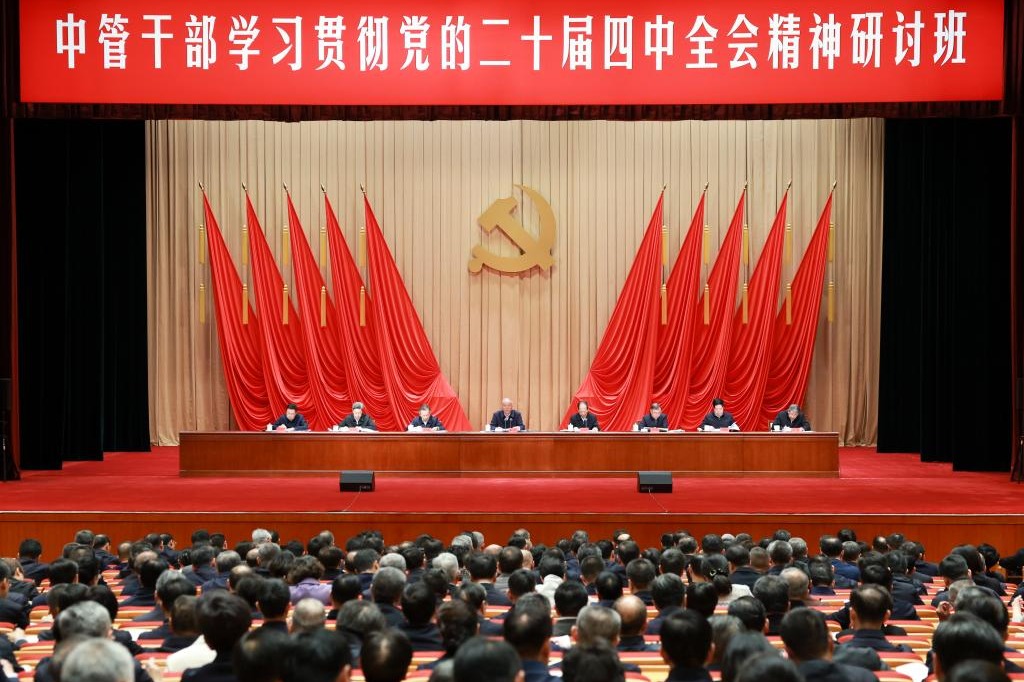
    In a significant address to high-ranking officials, senior Chinese leader Cai Qi has outlined the strategic priorities for China’s upcoming 15th Five-Year Plan (2026-2030), emphasizing the critical importance of comprehensive planning and implementation. The December 16th study session in Beijing brought together top officials to discuss the operationalization of directives from the recently concluded Fourth Plenary Session of the 20th Communist Party Central Committee.

    Cai Qi, who holds dual positions on the Standing Committee of the Political Bureau and the Secretariat of the CPC Central Committee, stressed the necessity of thoroughly understanding both the theoretical foundations and practical applications of the plenum’s decisions. The session specifically focused on translating these principles into actionable strategies for national development over the next five-year cycle.

    The address highlighted several core components essential for successful planning, including clear comprehension of development objectives, economic and social requirements, and multi-level implementation frameworks across various sectors. A recurring theme throughout the presentation was the imperative of maintaining strong centralized leadership under the Party Central Committee to ensure cohesive execution of national strategies.

    The Fourth Plenary Session, held in October 2025, had previously established the foundational Recommendations for the 15th Five-Year Plan, setting the stage for this current phase of detailed planning and preparation. This latest gathering represents a crucial step in moving from theoretical frameworks to concrete operational plans that will guide China’s development trajectory through the end of the decade.

  • Kenyan digital creators find inspiration in China

    Kenyan digital creators find inspiration in China

    A delegation of Kenya’s foremost digital influencers returned from an eye-opening journey through China’s Hunan and Fujian provinces, reporting a profound transformation in their perception of the Asian nation’s cultural and technological landscape. The weeklong cultural tour, undertaken in September, featured four prominent Kenyan celebrities whose digital content has since sparked widespread reevaluation of China among African audiences.

    Lawrence Mwangi Macharia, professionally known as Terence Creative, described being captivated by a multisensory theatrical performance in Hunan that demonstrated ‘unbelievable precision’ in blending traditional artistry with cutting-edge technology. ‘How they sync the music, the art, the props—it was pure magic,’ the comedian and content creator remarked, highlighting the sophisticated integration of digital projections, lighting, and choreography.

    The delegation’s experiences extended beyond performance venues to everyday Chinese life. Comedian Jasper Muthomi (MC Jessy) recounted participating in communal stretching sessions on local streets, noting how such practices reflected China’s emphasis on wellness and community balance. Media personality Betty Kyallo experienced the breathtaking Grand Canyon Glass Bridge in Zhangjiajie and explored traditional Chinese medicine in Xiamen, where she observed holistic treatments for chronic conditions.

    David Oyando (Mulamwah) reported his technological assumptions being fundamentally challenged during a visit to a Fujian technology store. ‘The cameras, microphones, phones—they were world-class and affordable,’ he stated, adding that the experience disproved ‘the counterfeit narrative about China.’

    The influencers’ social media posts from their journey have generated millions of views and enthusiastic engagement from Kenyan followers. Comments ranged from expressions of desire to visit China (‘I need to come here’) to appreciation for the virtual tour experience. Many noted how the content reshaped their understanding of China’s innovative capacity and cultural richness.

    A consistent theme emerged from all four creators: China represents a unique fusion of futuristic advancement and deeply rooted traditions. The visit provided insights into innovation, community wellness, and artistic expression that transcended their expectations. As Terence Creative concluded, ‘China is an eye-opener. You can’t finish exploring it in a year. Everyone should see it for themselves.’

  • Louvre workers vote to extend a strike at the world’s most visited museum

    Louvre workers vote to extend a strike at the world’s most visited museum

    PARIS — Louvre Museum employees have voted to prolong their strike action, intensifying labor disputes at the world’s most frequented cultural institution. The work stoppage, initially implemented earlier this week, reflects deepening tensions between staff and management over systemic operational challenges.

    Union representatives cite persistent understaffing, deteriorating infrastructure, and controversial administrative decisions as primary grievances. These concerns gained renewed urgency following October’s audacious crown jewels theft, which revealed critical security vulnerabilities within the historic museum complex.

    The Wednesday morning general assembly resulted in unanimous support for continuing the industrial action, creating uncertainty about daily operations. Ticket-holding visitors formed queues outside the museum while administration officials assessed whether sufficient staff would be available to maintain safe gallery access.

    In response to the crisis, Culture Ministry officials proposed several mitigation measures during emergency talks with unions on Monday. These included canceling planned €6.2 million funding cuts scheduled for 2026, initiating new recruitment drives for security and visitor service positions, and enhancing staff compensation packages. Union leadership dismissed these proposals as insufficient to address fundamental problems.

    Louvre President Laurence des Cars faced additional scrutiny during her scheduled appearance before the Senate’s culture committee Wednesday. Lawmakers continue investigating security failures after des Cars acknowledged only learning about a damning 2019 security audit following the October robbery. Both France’s Court of Auditors and an independent administrative inquiry have criticized delayed implementation of promised security upgrades.

    The Culture Ministry recently implemented emergency anti-intrusion protocols and appointed Philippe Jost—who supervised Notre Dame’s restoration—to assist in reorganizing the museum’s security apparatus, signaling growing governmental concern over leadership effectiveness.