博客

  • Peter Arnett, Pulitzer-winning war reporter, dies aged 91

    Peter Arnett, Pulitzer-winning war reporter, dies aged 91

    Renowned Pulitzer Prize-winning journalist Peter Arnett, whose groundbreaking frontline reporting defined modern war correspondence, has died at age 91. The New Zealand-born reporter, who naturalized as a U.S. citizen, passed away surrounded by family and friends in California while receiving hospice care for prostate cancer.

    Arnett’s extraordinary career spanned over five decades, during which he provided unparalleled coverage of major global conflicts. He earned journalism’s highest honor in 1966 for his visceral Vietnam War reporting for The Associated Press, where he documented combat operations from 1962 until the conflict’s conclusion in 1975. His firsthand accounts included harrowing moments such as witnessing a colonel shot through a map just inches from his face.

    In 1981, Arnett transitioned to CNN, where he achieved household recognition during the first Gulf War. He distinguished himself as one of the few Western journalists who remained in Baghdad during coalition bombing campaigns, delivering historic broadcasts punctuated by missile explosions and air-raid sirens. His fearless approach to journalism led to a memorable interview with then-Iraqi President Saddam Hussein, whom he questioned with notable determination despite the leader’s fearsome reputation.

    Arnett’s groundbreaking work extended beyond the Middle East. In 1997, he secured the first Western interview with Osama Bin Laden in Afghanistan, during which the terrorist leader cryptically hinted at future attacks against the United States. His career also included significant photographic work, capturing compelling images from Vietnam, North Korea, and El Salvador.

    The journalist’s commitment to uncompromising reporting occasionally sparked controversy. His dismissal from NBC following an appearance on Iraqi state television, where he offered analysis perceived as critical of U.S. military strategy, demonstrated his unwavering dedication to reporting his perception of ground truth. He was swiftly hired by the UK’s Daily Mirror, where he defended his reporting integrity.

    Colleagues and contemporaries have paid tribute to Arnett’s legacy. Former AP colleague Edith Lederer described him as ‘one of the greatest war correspondents of his generation—intrepid, fearless, and a beautiful writer and storyteller.’ Retired photographer Nick Ut, who worked alongside Arnett in Vietnam, remembered him as ‘like a brother’ whose passing ‘will leave a big hole in my life.’

    Arnett is survived by his wife Nina Nguyen and their children, Andrew and Elsa. His extensive body of work remains a testament to courageous conflict journalism and continues to inspire aspiring reporters worldwide.


  • Along the Texas Coast, a new sanctuary aims to protect the endangered and rare whooping crane

    Along the Texas Coast, a new sanctuary aims to protect the endangered and rare whooping crane

    SEADRIFT, Texas — Conservationists have achieved a landmark victory in wildlife preservation with the establishment of a 3,300-acre sanctuary dedicated to protecting North America’s rarest crane species. The International Crane Foundation, in collaboration with The Conservation Fund and the Coastal Bend Bays & Estuaries Program, has secured vital winter habitat for the endangered whooping crane through an $8.4 million acquisition finalized this December.

    The whooping crane, standing at approximately 5 feet with a impressive 7.5-foot wingspan, represents one of the most dramatic conservation success stories in modern history. From a perilous population low of just 16 birds in the 1940s, the species has rebounded to over 550 individuals that annually complete a 2,500-mile migration from Canada’s Wood Buffalo National Park to Texas’ coastal wetlands.

    Carter Crouch, Director of Gulf Coast Programs at the International Crane Foundation, describes the conservation journey as “complicated with many successes and some setbacks,” but emphasizes the remarkable progress achieved through decades of dedicated effort. The newly protected lands, named the Wolfberry Whooping Crane Sanctuary after the birds’ favored berry food source, will serve as critical buffer against mounting environmental threats.

    These majestic birds face compounding challenges from urban development, climate change-induced sea level rise, energy infrastructure expansion, and wetland degradation. Globally, crane species are particularly vulnerable, with 10 of the world’s 15 crane species currently threatened with extinction. The United Nations reports that 35% of global wetlands have disappeared since the 1970s due to human activities.

    The sanctuary acquisition represents more than mere land preservation—it embodies a comprehensive ecological restoration initiative. Conservation teams will implement prescribed burns to reclaim prairie grasslands from invasive shrubs, plant smooth cordgrass to combat shoreline erosion, and create educational opportunities for public engagement. The protected area also provides habitat for other threatened species including the aplomado falcon and black rail bird.

    For communities along the Texas coast, the whooping crane migration has become both an ecological treasure and economic asset. Bird enthusiasts from around the world flock to the region, supporting local businesses in towns like Rockport and Port Aransas. Julie Shackelford, Texas director for The Conservation Fund, notes that the sanctuary offers “the only place in the U.S. where people can reliably see whooping cranes” in their natural habitat.

    As climate change accelerates habitat loss worldwide, this conservation achievement demonstrates how targeted land protection can create resilience for endangered species. The whooping crane’s continued recovery serves as both a testament to conservation dedication and a reminder that persistent threats require ongoing vigilance and intervention.

  • Price increases in the US ease in November

    Price increases in the US ease in November

    Recent economic indicators reveal a notable cooling of inflationary pressures across the United States, with official data confirming a deceleration in price growth for November. According to the Labor Department’s delayed Consumer Price Index (CPI) report, prices increased by 2.7% annually through November, marking a discernible decline from September’s 3% rate and falling below many economic forecasts.

    The moderation was driven by declining costs across multiple consumer categories including hotel accommodations, dairy products such as milk, and select apparel items. This development occurs against a backdrop of mounting public frustration over persistent price escalations that have placed political pressure on the Trump administration to deliver economic relief.

    Market analysts interpreted the data as potentially strengthening the Federal Reserve’s rationale for continuing its interest rate reduction strategy. Art Hogan, Chief Market Strategist at B. Riley Wealth, noted that the November figures reflected aggressive retail discounting during the early holiday shopping season, though he cautioned about drawing sweeping conclusions due to data limitations.

    The statistical release faced unprecedented delays caused by the recent federal government shutdown, which also disrupted the collection of October economic data. This gap complicates trend analysis, creating what Hogan described as ‘statistical errors that might have been present in today’s report.’ Despite these irregularities, the overall trajectory suggests a moderating inflationary environment that could shape both monetary policy and political discourse in coming months.

  • Thailand conference launches international initiative to fight online scams

    Thailand conference launches international initiative to fight online scams

    BANGKOK — In a landmark move against transnational cybercrime, Thailand has spearheaded the formation of an international coalition to tackle the escalating threat of online scams that cost global victims an estimated $18-37 billion annually. The initiative, formally launched as the Global Partnership Against Online Scams, emerged from a two-day conference co-hosted by Thailand’s Ministry of Foreign Affairs and the United Nations Office on Drugs and Crime (UNODC).

    The gathering brought together over 300 participants from nearly 60 nations, culminating in a multilateral agreement signed by Thailand, Bangladesh, Nepal, Peru, and the United Arab Emirates. The partnership framework encompasses four critical pillars: political commitment, enhanced law enforcement cooperation, comprehensive victim protection protocols, and cross-border public awareness campaigns.

    Thai Prime Minister Anutin Charnvirakul set the tone in his keynote address, emphasizing that ‘online scams reveal a deeper problem—a collective vulnerability that no country can address alone.’ This sentiment echoed throughout the conference, which highlighted how criminal enterprises, particularly those operating across Southeast Asia, have evolved to exploit digital platforms and artificial intelligence technologies.

    The private sector played a significant role in the proceedings, with tech giants Meta and TikTok contributing expertise and resources. Meta presented a threat assessment detailing how scam networks are increasingly leveraging AI to perpetrate fraud across its platforms including Facebook, Instagram, and WhatsApp. TikTok formally endorsed the conference’s closing statement, becoming one of the first corporate members of the new alliance.

    Brian Hanley, Asia-Pacific director of the Global Anti-Scam Alliance (which TikTok recently joined), stressed the necessity of multi-stakeholder engagement: ‘Scams are exploiting not only transnational boundaries but also the seams across various platforms from banks, telcos, to social media platforms.’ He emphasized that combating these sophisticated networks requires ‘all major stakeholders at the table.’

    The urgency of the initiative has been amplified by recent developments across the region, including scam center raids in Myanmar, victim repatriation challenges in Thailand, and the tragic death of a South Korean student forced into scam operations in Cambodia. While Cambodia—known as a hub for scam compounds—was notably absent from the conference due to ongoing tensions with Thailand, the collaboration represents growing regional consensus on addressing cybercrime.

    This new partnership builds upon previous multilateral efforts, including the United Nations Convention against Cybercrime signed by over 70 countries in Vietnam last October. As UN Secretary-General António Guterres characterized that agreement, such initiatives represent ‘a vow that no country, no matter their level of development, will be left defenseless against cybercrime.’

  • China innovates network technology, achieving efficient data transmission

    China innovates network technology, achieving efficient data transmission

    China has officially commissioned a groundbreaking national network infrastructure that demonstrates unprecedented data transmission capabilities, marking a significant advancement in global information technology. The China Environment for Network Innovation (CENI), the country’s first national science and technology infrastructure in the ICT sector, recently passed national acceptance in Nanjing and is now operational.

    This revolutionary network testbed achieved what previously seemed impossible: transferring 72 terabytes of data generated by China’s Five-hundred-meter Aperture Spherical radio Telescope (FAST) from Guizhou province to Huazhong University of Science and Technology in Hubei province in merely 1.6 hours. Traditional internet methods would have required approximately 699 days to accomplish the same data transfer.

    According to Liu Yunjie, academician of the Chinese Academy of Engineering, CENI represents China’s entry into the world’s advanced echelon in network technology innovation. “CENI’s passage of national acceptance enables China to deliver higher-quality services for all industries to embrace AI,” Liu stated.

    The infrastructure boasts large-scale, programmable, virtualized, and open-sharing features, providing a simple, efficient, and low-cost test environment for researching innovative architectures of future networks. The development team has pioneered a service-customized network architecture internationally and created the world’s first distributed large-network operating system.

    After over a decade of construction, CENI now spans 40 cities nationwide with a total optical transmission length exceeding 55,000 kilometers. The network can support 128 heterogeneous networks and 4,096 parallel heterogeneous service tests while seamlessly interconnecting with existing internet infrastructure and global test facilities.

    The project has generated substantial intellectual property, including 206 international and domestic standards, 221 authorized invention patents, and 139 software copyrights. Multiple achievements have received national-level scientific and technological awards.

    Wu Hequan, another academician of the Chinese Academy of Engineering, emphasized that CENI will support the development of 5G-Advanced and 6G technologies while allowing research institutions and enterprises to test various new technologies.

    Notably, CENI offers dramatic improvements for AI development. Liu explained that “training a large model with 100-billion-level parameters across domains requires over 500,000 rounds of iterative development. With CENI, each training round takes only about 16 seconds,” resulting in significant time and economic savings.

    Looking forward, CENI will provide open testbed support to key industries including manufacturing, energy and power, education, healthcare, and the low-altitude economy, thereby accelerating China’s digital transformation initiatives.

  • Brazil’s Lula vows to veto bill that could reduce Bolsonaro’s prison sentence

    Brazil’s Lula vows to veto bill that could reduce Bolsonaro’s prison sentence

    BRASILIA — Brazilian President Luiz Inácio Lula da Silva declared on Thursday his firm intention to veto legislative measures that would substantially diminish the 27-year prison sentence of his predecessor, Jair Bolsonaro. The former leader remains incarcerated since November following convictions related to attempted coup activities against Brazil’s democratic institutions.

    The controversial legislation, which cleared both the Chamber of Deputies and Senate this week, proposes significant modifications to Brazil’s penal system. It would accelerate the transition of convicted individuals from stringent to more lenient prison regimes and provide sentence reductions of up to two-thirds for crimes committed within crowd contexts—provisions that would directly benefit participants in the January 8, 2023, insurrection in Brasília.

    President Lula emphasized to journalists that those who committed crimes against Brazilian democracy must face appropriate consequences for their actions. His administration maintains that the proposed law undermines judicial accountability for acts threatening constitutional order.

    The legislative proposal faces additional challenges beyond presidential veto. Brazil’s Supreme Court is expected to review the bill’s constitutionality, particularly regarding provisions that would prevent cumulative sentencing for related offenses such as abolishing democratic rule and attempting a coup d’état—a central argument in Bolsonaro’s legal appeal.

    Political tensions surrounding the legislation have ignited nationwide demonstrations. Tens of thousands of Brazilians protested in major cities including São Paulo, Salvador, and the capital Brasília over the weekend, expressing opposition to what many perceive as special treatment for political figures convicted of anti-democratic actions.

    The developments occur against the backdrop of emerging electoral dynamics. Senator Flávio Bolsonaro, the former president’s eldest son and potential presidential candidate, has endorsed the legislation while criticizing the legitimacy of the judicial process against his father. Political analysts anticipate he may challenge President Lula in the 2026 elections, representing the Bolsonaro-aligned Liberal Party.

  • Lion and bear kept as pets in Albania find new homes in German wildlife sanctuaries

    Lion and bear kept as pets in Albania find new homes in German wildlife sanctuaries

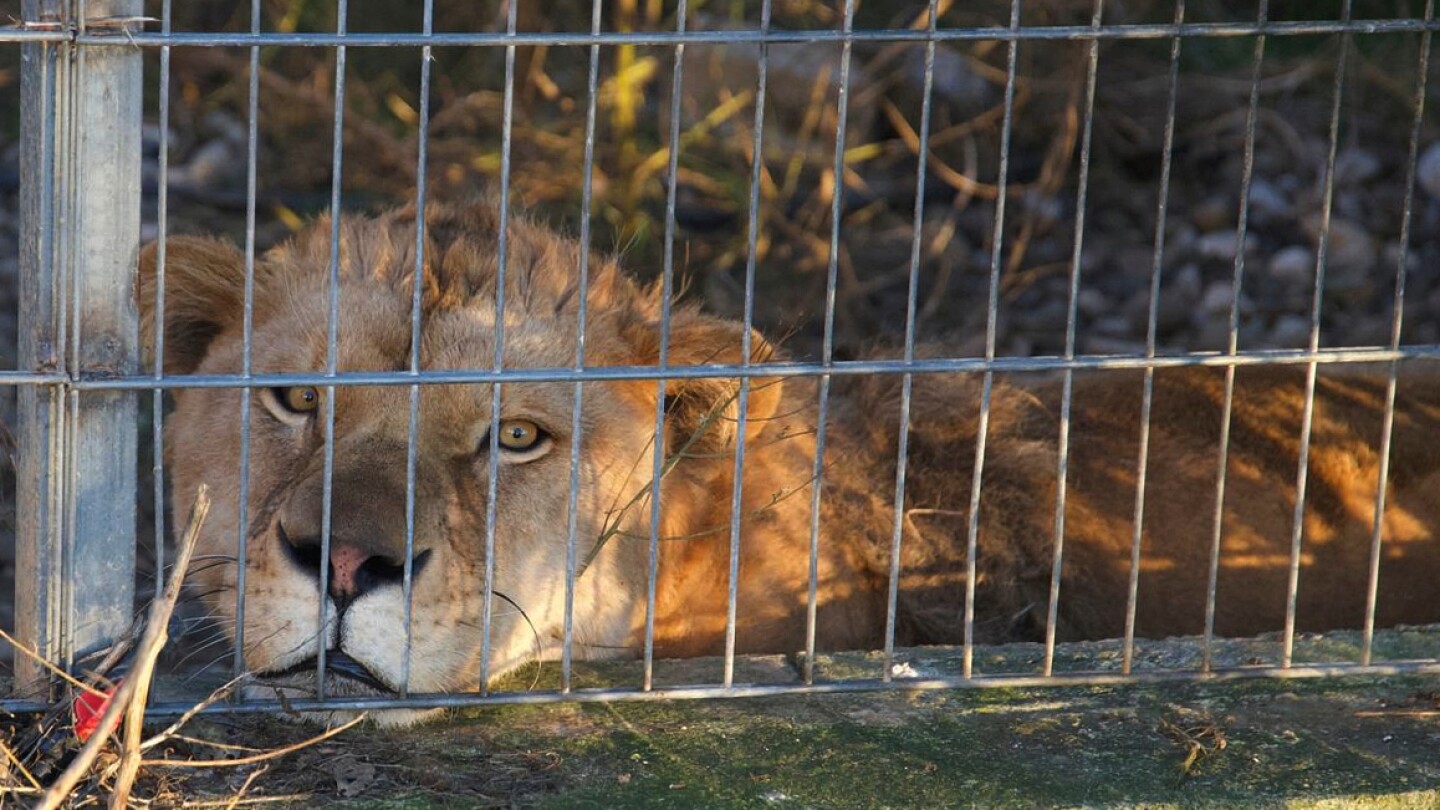
    In a significant wildlife rescue operation, a young lion and bear confiscated from illegal captivity in Albania have been successfully relocated to specialized sanctuaries in Germany. The animals, named Erion (a 3-year-old lion) and Flora (a 2-year-old bear), were discovered being kept as exotic pets on a private estate in northern Albania after authorities investigated social media posts showcasing the animals.

    The international animal welfare organization FOUR PAWS executed the complex rescue mission following their discovery by Albania’s National Forestry Agency. Veterinarians carefully sedated both animals before transporting them on a meticulously planned 70-hour journey across multiple European countries. The operation concluded on December 13th with Erion finding sanctuary at a wildlife facility in southeastern Germany while Flora was placed in a specialized bear sanctuary in northern Germany.

    Both animals arrived in concerning condition. Preliminary examinations revealed Flora suffers from severe malnutrition and dental problems, while Erion presented with unexplained hair loss affecting his mane. FOUR PAWS immediately initiated comprehensive recovery plans for both animals upon their arrival.

    Magdalena Scherk-Trettin, FOUR PAWS senior project manager, expressed relief at the successful operation: “We’re immensely grateful that authorities intervened to confiscate these animals. They now have the opportunity to experience life in species-appropriate conditions where their physical and psychological wellbeing can be properly addressed.”

    The case highlights systemic issues regarding exotic animal ownership in Albania and surrounding regions. FOUR PAWS estimates over 60 big cats remain in inadequate conditions throughout Albania alone, with bears and other exotic species frequently kept caged at restaurants or private properties without proper care.

    While Albanian legislation permits keeping wild animals born in captivity with proper documentation, enforcement remains problematic. Sajmir Shehu, a FOUR PAWS project manager, noted critical deficiencies: “The legal framework lacks stringency, creating loopholes that enable inappropriate private captivity. Current laws allow confiscation when welfare standards aren’t met but impose no penalties on owners, which fails to deter this practice.”

    The origins of both animals remain uncertain, though FOUR PAWS believes Erion was likely trafficked through illegal wildlife networks while Flora was probably poached directly from the wild. The organization emphasizes that this rescue underscores the urgent need for strengthened legislation and enforcement to combat wildlife trafficking and inappropriate private ownership throughout the region.

  • India’s Parliament approves bill to open civil nuclear power sector to private firms

    India’s Parliament approves bill to open civil nuclear power sector to private firms

    India’s Parliament has enacted groundbreaking legislation that fundamentally restructures the nation’s nuclear energy sector, ending decades of state monopoly. The Sustainable Harnessing and Advancement of Nuclear Energy for Transforming India (SHANTI) bill received final approval from the upper house on Thursday, following Wednesday’s passage in the lower house. The legislation now awaits presidential assent, considered a formality.

    The policy shift represents India’s strategic move to accelerate clean energy expansion and position itself as a global leader in next-generation nuclear technology, including small modular reactors. Junior Minister Jitendra Singh, overseeing atomic energy, emphasized that the modernization aligns with India’s growing geopolitical role and addresses escalating energy demands while maintaining enhanced safety and regulatory frameworks.

    Supporters hail the legislation as transformative for India’s energy landscape. Karthik Ganesan of the Council on Energy, Environment and Water noted it ‘signals capable private sector players that the country is open for business in the nuclear energy space.’ The move comes as India pledges over $2 billion toward nuclear research and aims to install 100 gigawatts of nuclear power by 2047—sufficient to power approximately 60 million households annually.

    However, opposition parties and activists voice significant concerns regarding diluted liability safeguards and potential health hazards. Lawmaker Ashok Mittal criticized insufficient protections for communities near nuclear facilities, while anti-nuclear activist G. Sundarrajan condemned the legislation as ‘disastrous,’ warning it reduces corporate accountability and limits citizens’ ability to claim damages from radiation exposure.

    The development carries global significance as nations reassess nuclear power to meet climate targets and transition from fossil fuels. With over 75% of its electricity still generated from coal, India’s nuclear expansion represents a critical component of its decarbonization strategy despite ongoing debates about implementation safety and public perception challenges.

  • More international maritime disputes turn to China’s courts

    More international maritime disputes turn to China’s courts

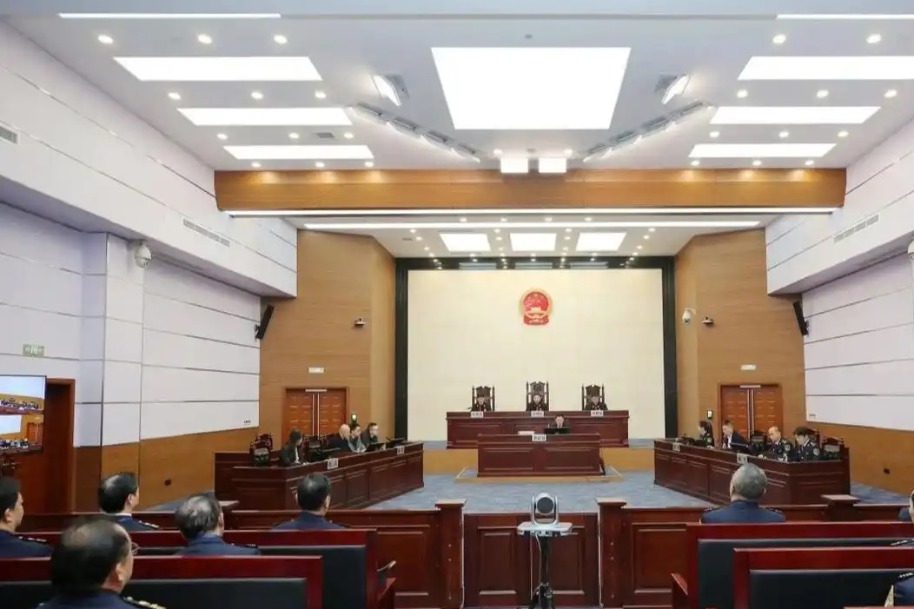
    China’s judicial system is gaining unprecedented international recognition in maritime law, with its courts becoming an increasingly preferred venue for resolving complex international shipping disputes. According to data released by China’s Supreme People’s Court, the nation’s specialized maritime courts accepted over 6,800 foreign-related cases between 2022 and 2024, involving parties from 143 different countries and regions.

    This growing international confidence in China’s judicial system represents a significant shift in global maritime dispute resolution trends. Remarkably, many foreign entities are now voluntarily submitting to Chinese jurisdiction even when their disputes have no substantive connection to China, indicating trust in the professionalism and fairness of the Chinese maritime court system.

    Established in 1984, China’s maritime judiciary has built substantial expertise over four decades, processing approximately 88,000 foreign-related cases throughout its history. The recent three-year period also saw Chinese courts handle 1,226 cases involving parties from Hong Kong, Macao, and Taiwan, with 1,134 of these cases successfully concluded.

    The comprehensive data reveals the sheer volume of maritime legal work processed by China’s judicial system, with maritime courts nationwide handling 98,726 total cases during the 2022-2024 period, including 185 maritime criminal cases. The courts demonstrated efficient case resolution, concluding 193 maritime criminal matters within the same timeframe.

    This trend underscores China’s expanding influence in international maritime affairs and reflects the global shipping industry’s growing confidence in Chinese judicial proceedings. The development positions China as an increasingly important player in shaping international maritime law and commercial dispute resolution mechanisms.

  • India: Jeddah to Kozhikode AI Express flight makes emergency landing at Kochi

    India: Jeddah to Kozhikode AI Express flight makes emergency landing at Kochi

    An Air India Express aircraft operating as flight IX 398 from Jeddah, Saudi Arabia to Kozhikode, India was compelled to execute an emergency landing at Kochi International Airport on Thursday following critical technical malfunctions. The incident, which occurred on December 18, 2025, involved a failure of the right main landing gear and subsequent tire bursts upon approach.

    According to official statements from Cochin International Airport Limited (CIAL), airport emergency protocols were immediately activated upon receiving notification of the aircraft’s distress. The airport authority confirmed the successful execution of the emergency landing procedure, with all operational systems functioning as designed to ensure passenger safety.

    Air India Express representatives attributed the technical complication to suspected foreign object debris on the runway at Jeddah’s King Abdulaziz International Airport, which may have caused initial damage to the aircraft’s tires during takeoff. The flight crew opted for a precautionary diversion to Kochi—approximately 200 kilometers from the intended destination—after identifying potential landing gear abnormalities during flight.

    The Boeing 737-800 aircraft carried 160 passengers, all of whom were reported safe following the incident. Emergency services were deployed as a standard precautionary measure, though no medical attention was required. Aviation authorities have initiated a comprehensive investigation into the precise sequence of events and contributing factors.

    The incident highlights the critical importance of runway maintenance protocols and emergency preparedness within aviation infrastructure. Both Saudi and Indian aviation authorities are coordinating their investigations to determine whether additional safety measures might be necessary to prevent similar occurrences.