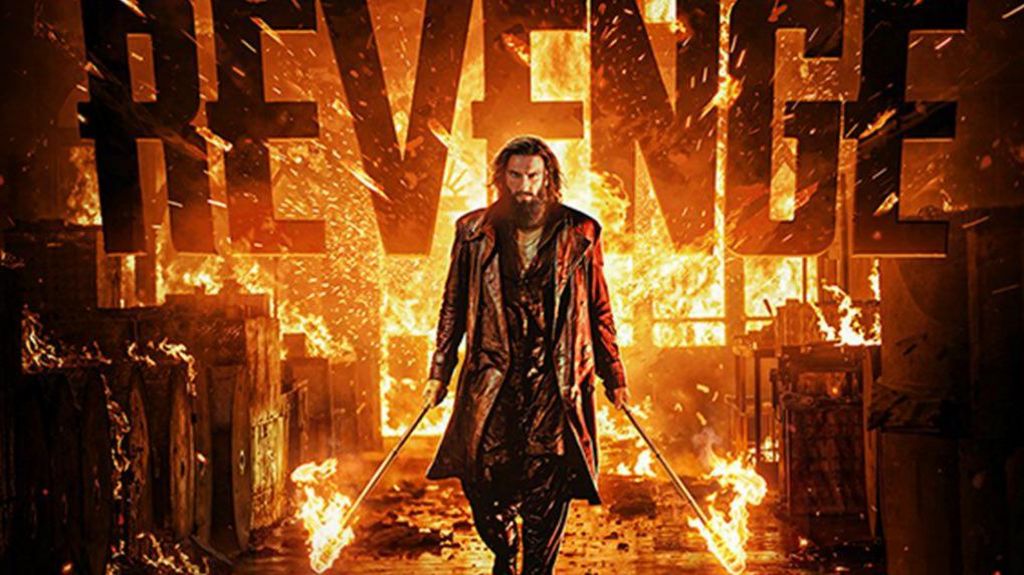
Indian cinema halls are experiencing an unprecedented resurgence as Dhurandhar: The Revenge, the explosive sequel to the record-breaking spy thriller, electrifies audiences nationwide. The film starring Ranveer Singh as an Indian intelligence operative on a dangerous Karachi mission has triggered both box office fireworks and intense cultural discourse.
Following the original film’s staggering $155 million global success in December 2025, the sequel has generated seismic demand with over 1.5 million advance tickets sold across five language versions. Cinema chains report unprecedented foot traffic, with PVR Inox documenting 9% year-on-year attendance growth and 13% increased revenue directly attributable to the Dhurandhar phenomenon.
The four-hour cinematic spectacle expands upon the first installment’s cliffhanger, deepening the narrative of Indian intelligence operations within Karachi’s criminal underworld. Director Aditya Dhar assembles an impressive ensemble cast including R Madhavan, Arjun Rampal, and Sanjay Dutt, delivering what trade analyst Taran Adarsh calls ‘a true game changer that is shattering all previous records.’
Audience reactions have been overwhelmingly enthusiastic, with viewers celebrating the film as ‘paisa vasool’ (value for money). The extended runtime has become part of the immersive experience rather than a deterrent. Prominent industry figures including Allu Arjun, Preity Zinta, and Anupam Kher have praised the film’s patriotic fervor and production values.
However, the film has sparked complex critical conversations about its political messaging and narrative approach. Reviewers note the sequel’s increased volume and ideological intensity, with some describing it as ‘blatant propaganda’ that simplifies complex geopolitics into binary nationalism. The film’s incorporation of real historical events—including Pakistan’s Operation Lyari and India’s 2016 demonetization policy—has drawn particular scrutiny for its political interpretations.
Social media platforms reflect this polarized reception, with Reddit users expressing mixed admiration and skepticism. Discussions frequently address the film’s ‘brazenly political’ nature that allegedly leaves ‘no middle ground’ for viewers.
The Dhurandhar phenomenon has transcended cinematic boundaries to become a global cultural talking point. Remarkably, Finnish President Alexander Stubb and French President Emmanuel Macron have publicly referenced the film, with Macron even incorporating its soundtrack into diplomatic communications. This international recognition echoes the cultural impact of historic Bollywood classics like Sholay, which maintained a five-year theatrical run in Mumbai.
Industry analysts highlight the franchise’s significance in revitalizing theatrical cinema amid streaming dominance. The films have effectively brought audiences back to cinemas, reinstating ‘housefull’ boards and reshaping business expectations for Indian cinema. As the debate continues between artistic achievement and ideological messaging, Dhurandhar has unquestionably established itself as both a blockbuster triumph and a cultural flashpoint.