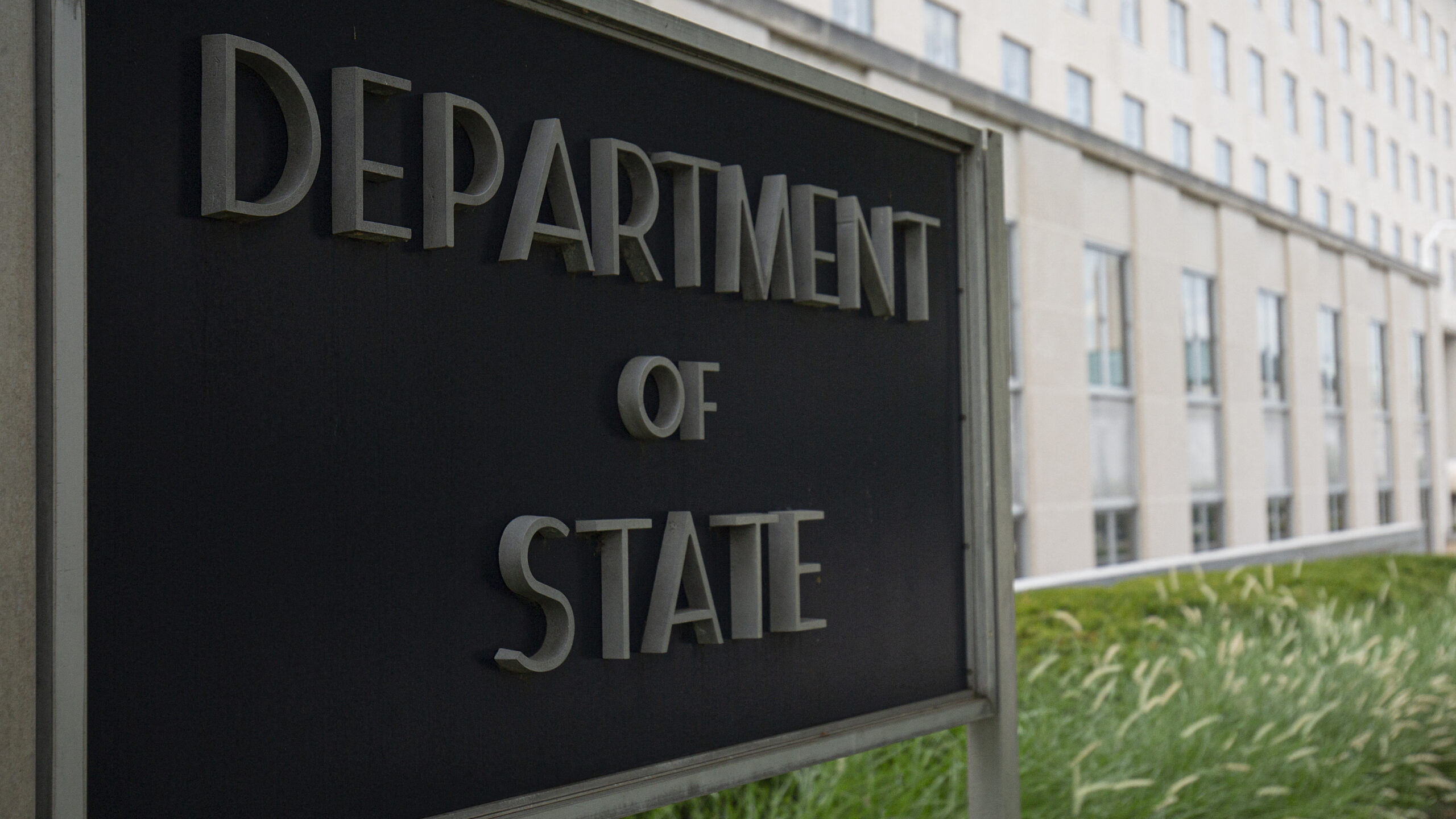
A senior U.S. diplomat has ignited a firestorm of international criticism following inflammatory social media remarks that critics condemn as overtly racist and Islamophobic. Sarah B Rogers, the Under Secretary of State for Public Diplomacy, faces mounting backlash for comments posted on X (formerly Twitter) that employ dehumanizing language about refugees and invoke antisemitic tropes.
The controversy erupted when Rogers engaged with an unverified screenshot referencing Germany’s migration policies, responding to another user’s provocative comment with her own statement: “Germany infamously retains very few Jews, yet imported barbarian rapist hordes…” This language, directly echoing extremist rhetoric about refugees from predominantly Muslim countries, has drawn condemnation from human rights organizations, political figures, and diplomatic observers worldwide.
The timing and context of the remarks reference the 2015-2016 Cologne New Year’s Eve incidents, where hundreds of women reported assaults by groups of men described as being from North Africa and the Middle East. However, critics emphasize that Rogers’ blanket characterization of refugee populations as “barbarian rapist hordes” represents a dangerous escalation in official discourse.
What makes this incident particularly alarming, according to diplomatic analysts, is Rogers’ specific portfolio as America’s top public diplomacy official. Her position mandates promoting pluralism, countering disinformation, and advancing human rights values globally. Instead, her language mirrors the very extremist narratives U.S. diplomats traditionally oppose.
The episode has triggered broader concerns about the normalization of divisive rhetoric within official U.S. government communications. Observers note an increasing trend of culture-war messaging from official accounts that aligns with domestic political talking points rather than diplomatic language. This shift, experts warn, undermines America’s credibility on human rights issues and emboldens extremist voices worldwide.
Historical parallels have emerged, with some commentators comparing Rogers’ rhetoric to that of Breckinridge Long, the State Department official who blocked Jewish refugees during the Holocaust. This comparison underscores the profound implications when senior officials responsible for refugee and migration policies employ dehumanizing language.
As the international community processes this diplomatic misstep, larger questions emerge about the erosion of diplomatic norms and the weaponization of official communication channels. The incident demonstrates how social media engagement by high-ranking officials can instantly amplify harmful stereotypes and damage years of careful diplomatic work.