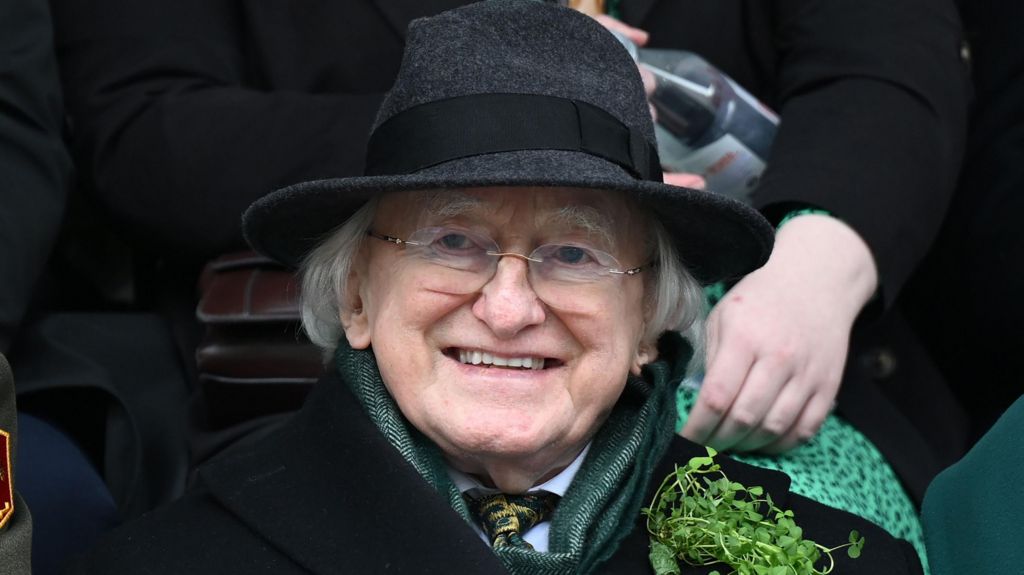
Michael D Higgins, Ireland’s outgoing president, has stepped down from Áras an Uachtaráin after a remarkable 14-year tenure. His presidency was defined by a steadfast commitment to his principles, often defying public, church, and government pressures. One of the most defining moments of his leadership was his 2021 boycott of an inter-church service marking the centenary of Northern Ireland’s partition. Higgins argued that the event’s title politicized the occasion, placing it beyond his presidential remit. This decision polarized opinions, elevating his standing among nationalists while alienating some unionists who questioned his ability to bridge divides. Higgins, a self-proclaimed leftist, followed in the footsteps of his predecessor, Mary Robinson, transforming the presidency from a ceremonial role to a platform for national discourse. He tackled pressing issues such as housing shortages, migration, and climate change, urging reflection without directly criticizing government policies. His activism reshaped public expectations of the presidency, pushing the boundaries of the office. Higgins’ tenure also saw historic moments, including becoming the first Irish president to pay a state visit to the UK. A passionate advocate for the arts and Irish culture, Higgins leaves behind a legacy of moral leadership and cultural promotion, even as his departure raises questions about the future direction of the presidency.