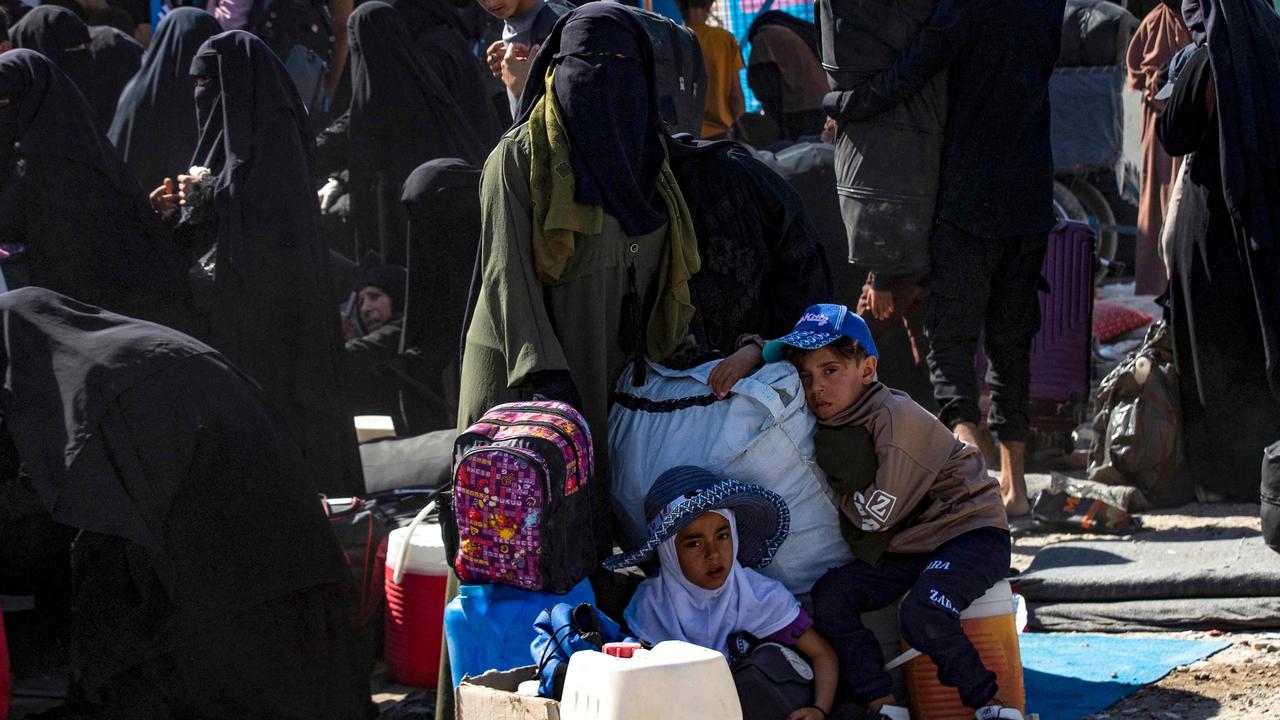
Australia’s political opposition has issued a stark security warning following the withdrawal of Kurdish-led Syrian Democratic Forces (SDF) from the al-Hol detention camp in northwest Syria, which previously housed families of Islamic State fighters. Opposition home affairs spokesman Jonathan Duniam expressed grave concerns that Australian ISIS affiliates might exploit this security transition to return without proper oversight.
The al-Hol facility, which reached a peak population of 73,000 in 2019, primarily contained women and children associated with ISIS combatants after the organization’s territorial collapse. While international repatriation efforts coordinated with the United Nations have reduced the camp’s population, approximately 24,000 individuals remained at the time of the SDF’s withdrawal.
Senator Duniam criticized the current government’s approach, stating that allowing third-party organizations to facilitate returns at their discretion represents a dangerous policy failure. He emphasized that while these individuals may retain Australian citizenship, the Commonwealth should exclusively control the repatriation process for this high-risk demographic.
According to Home Affairs Department figures, about 90 Australian citizens—including 60 men and 30 women and children—remain dispersed across Syrian displacement camps. These individuals allegedly traveled to join ISIS during its peak influence last decade.
The Albanese government maintains a formal policy of ‘no active repatriation’ but has issued passports to those reaching Australian diplomatic missions and permitted their return. This approach has drawn criticism from the Coalition, particularly after last year’s unauthorized return of two women and four children who exited Syrian camps without official authorization.
Despite international legal arguments favoring repatriation for containment and prosecution, most Western governments have been reluctant due to security considerations. Australia’s security services indicate that all returnees remain under rigorous surveillance protocols.