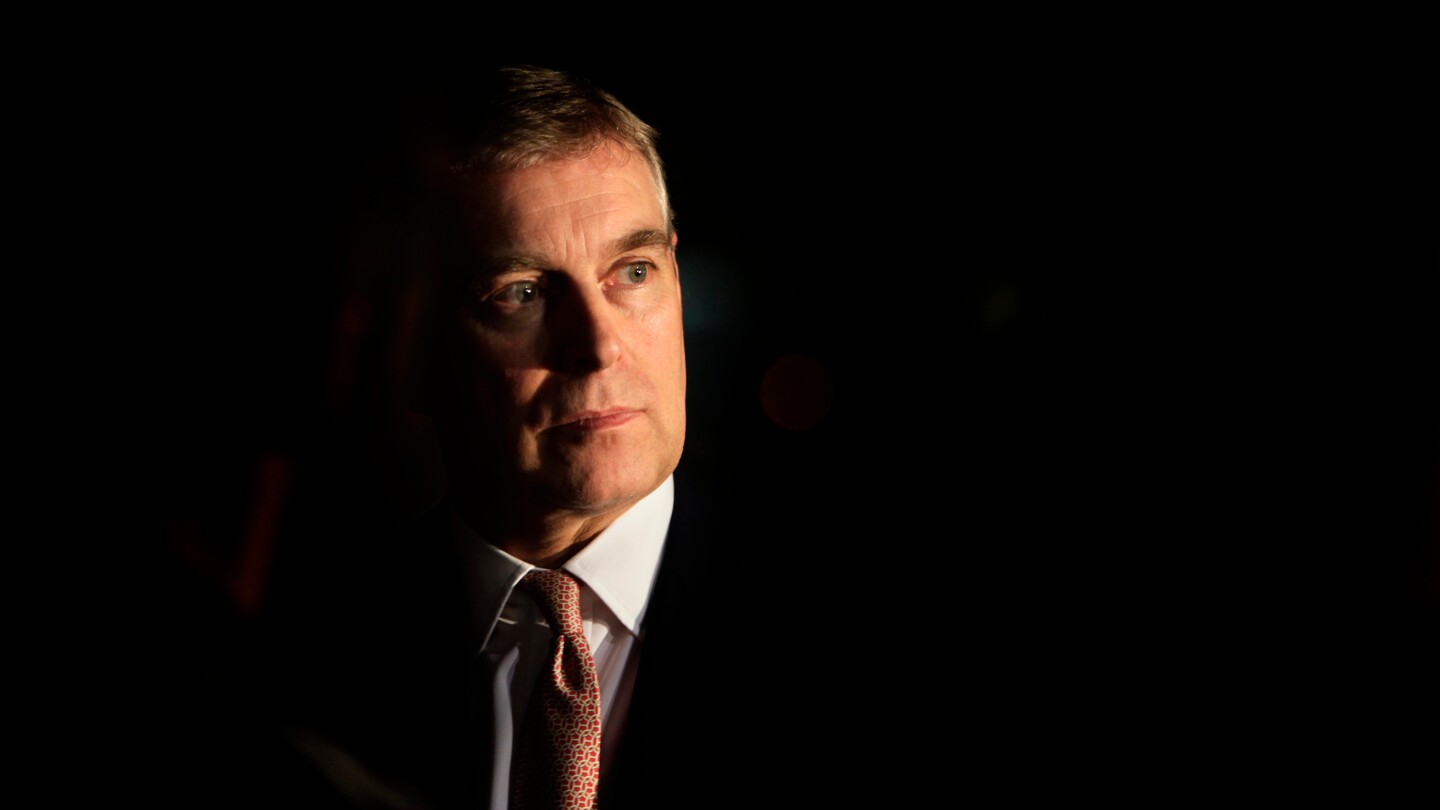
The British monarchy has taken decisive action to distance itself from Prince Andrew following a series of damaging revelations about his association with convicted sex offender Jeffrey Epstein. Buckingham Palace announced on Friday that Andrew, the second son of the late Queen Elizabeth II, has agreed to relinquish his remaining royal titles, including the Duke of York, to prevent further distractions from the monarchy’s public duties. This move comes after emails surfaced this week showing that Andrew maintained contact with Epstein longer than he had previously admitted, contradicting his earlier claims and misleading the British public. Craig Prescott, a constitutional law expert at Royal Holloway University of London, described this as the “straw that broke the camel’s back,” emphasizing the severity of the deception. The decision to strip Andrew of his titles marks the culmination of a years-long process that began in 2019 when he stepped back from public duties following a disastrous BBC interview addressing his ties to Epstein and allegations of sexual misconduct. The interview, widely criticized for its lack of empathy and implausible explanations, set the stage for this week’s revelations. Andrew’s banishment from royal life underscores King Charles III’s efforts to modernize and stabilize the monarchy, particularly as he prepares for a significant state visit to the Vatican. The king is also motivated by a desire to protect the reputations of Queen Camilla and the Duchess of Edinburgh, who have championed causes related to domestic and sexual violence. By severing ties with Andrew, the monarchy aims to insulate itself from further scandal and reaffirm its commitment to public service.