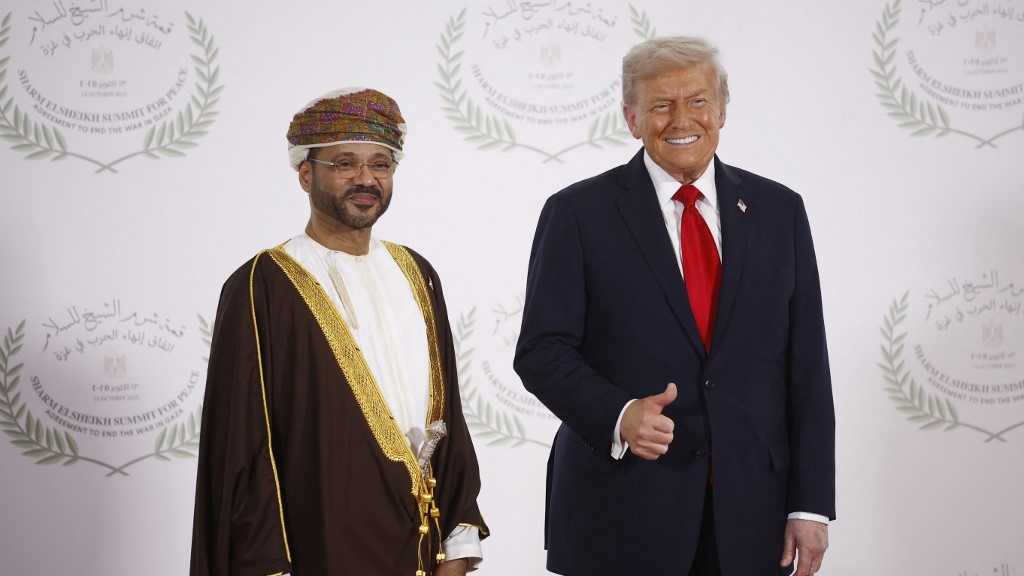
Omani Foreign Minister Badr Al Busaidi has issued a compelling appeal for the United States to withdraw from its military engagement with Iran, characterizing Tehran’s recent offensive actions against Gulf nations as a predictable consequence of American involvement. In a comprehensive analysis published by The Economist, the senior diplomat—who recently facilitated unsuccessful negotiations between Washington and Tehran—asserted that the U.S. significantly miscalculated by becoming entangled in hostilities with the Islamic Republic.
Al Busaidi described Iran’s retaliatory strikes on what it identifies as American assets within neighboring countries’ territories as “inevitable, if deeply regrettable and completely unacceptable.” He contended that when confronted with military operations that both Israeli and American officials portrayed as intended to eliminate the Iranian government, Tehran’s leadership had limited rational alternatives available.
The minister documented how Iran’s intensified assaults since Wednesday have targeted critical petrochemical infrastructure across Saudi Arabia and Kuwait, resulting in multiple facility fires. The combined impact of initial U.S.-Israeli operations against Iran and subsequent Iranian retaliation has generated devastating ripple effects throughout global energy markets, exacerbated by Iran’s strategic closure of the Strait of Hormuz to maritime traffic.
Al Busaidi cautioned that the Gulf region’s established reputation as a stable center for tourism, technological innovation, and financial services now faces serious jeopardy. He indicated that ambitious projects positioning Gulf states as global data hub destinations may require substantial reconsideration. The diplomatic warning emphasized that disrupted shipping routes through the critical Strait are already driving energy price inflation and creating conditions conducive to widespread economic recession.
The Omani official maintained that only Israel stands to gain materially from overthrowing Iran’s government, showing minimal concern about potential governance structures that might follow the Islamic Republic. He stressed that the conflict fundamentally does not serve American national interests, urging Washington’s allies to communicate frankly that both the U.S. and Iran have everything to lose from prolonged hostilities and should pursue immediate de-escalation.
This candid assessment, while diplomatically uncomfortable, reveals the extent to which America has allegedly relinquished control over its foreign policy direction, according to the minister’s analysis.