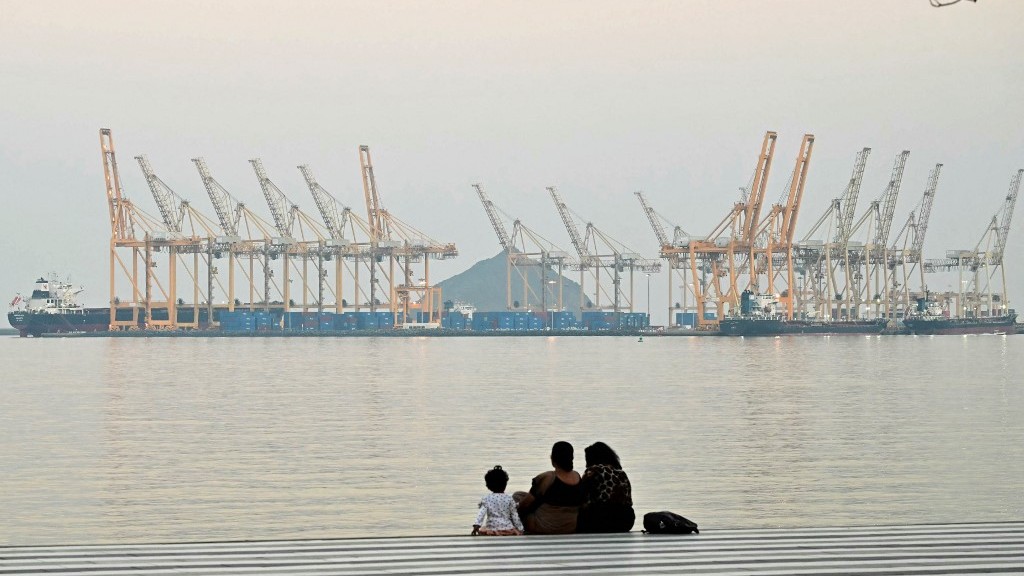
As widespread air strikes between the U.S.-Israeli coalition and Iran fuel a sharp escalation of conflict across the Middle East, Omani authorities have confirmed that senior diplomatic discussions with Iran are now focused on potential pathways to reopen the strategically critical Strait of Hormuz. According to Oman’s official state news agency, the talks brought together deputy foreign ministry officials and technical specialists from both nations, who have begun exploring actionable “options” to restore passage through the key waterway.
The Strait of Hormuz, the world’s most vital chokepoint for global oil and liquefied natural gas shipments, has been effectively closed to most commercial traffic since large-scale U.S.-Israeli air assaults on Iran began in February. Oman shares a direct border with the strait, placing the small sultanate on the frontline of the regional crisis and giving it unique stakes in de-escalation and the reopening of the key waterway.
The announcement of these diplomatic efforts comes as air operations continue to intensify across the region, with mounting civilian and military casualties reported on multiple sides. In Iran’s southwestern Kohgiluyeh and Boyer-Ahmad province, recent U.S. strikes have left at least nine people dead and eight others injured. Israeli military officials confirmed that over the past 24 hours alone, their forces have targeted more than 120 Iranian air defense and missile systems across the country.
A targeted strike on a major petrochemical facility in southwestern Iran killed five people and injured approximately 170 others, Iranian state media reported. Five members of Iran’s Islamic Revolutionary Guard Corps (IRGC) were also confirmed killed in separate attacks on the Moghan Plain, with Iran’s official IRNA news agency referring to the slain service members as “martyrs” in an official statement.
Escalating cross-border attacks have not been limited to Iranian territory, with impacts spreading across the Gulf and into Israel itself. Drone strikes targeting infrastructure in Kuwait caused damage to vital power and water treatment plants. In Bahrain, authorities confirmed that a fire at a facility operated by state-owned oil firm Bapco has been fully extinguished following an Iranian strike.
In the United Arab Emirates, falling debris from an intercepted projectile sparked fires at Abu Dhabi’s major Borouge petrochemical complex, forcing operators to temporarily suspend all production at the site. The facility is one of the largest petrochemical manufacturing hubs in the Gulf.
On the Israeli side, an Iranian rocket hit an industrial facility in southern Israel’s Neot Hovav zone near Beersheba, triggering widespread concerns over a potential hazardous chemical leak. Israeli media reported this marks the third strike on the same industrial site since the current conflict erupted. Israeli home front command issued immediate public warnings after detecting missile launches from Iran targeting both Beersheba and the key nuclear site at Dimona. Separately, rocket fire from Lebanon triggered air raid sirens across the Upper Galilee region, extending the theater of conflict to Israel’s northern border.