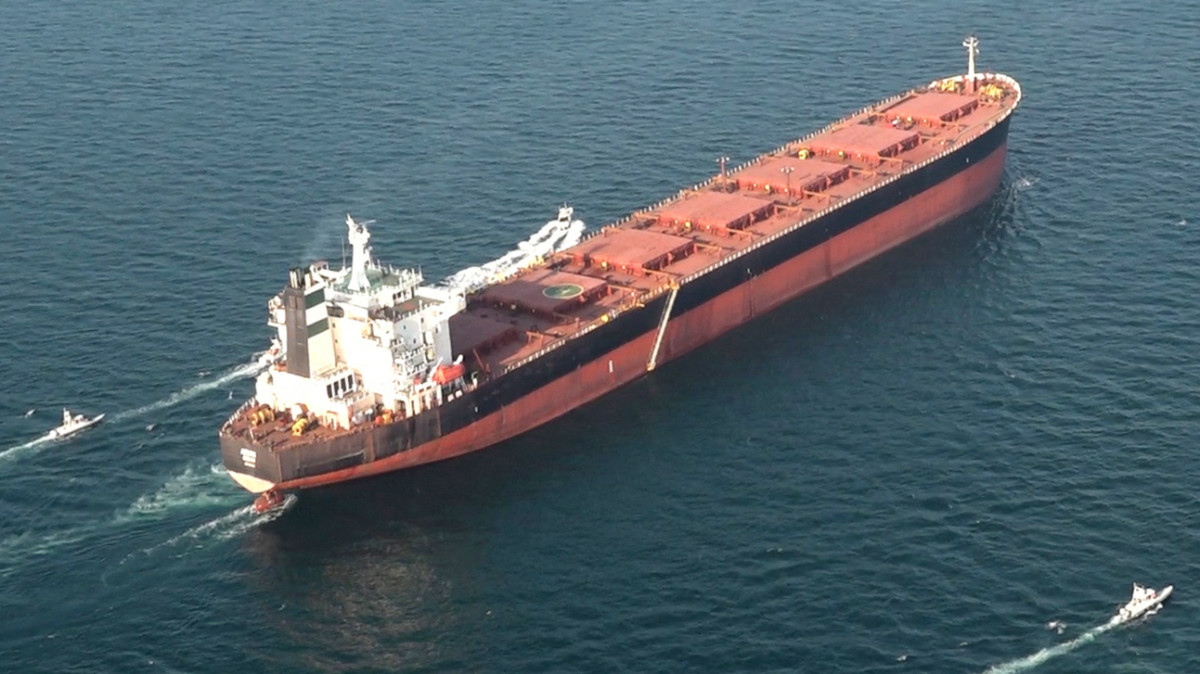
A significant redirection of global oil transport is underway as a fleet of up to 30 large crude carriers converges on Saudi Arabia’s Red Sea port of Yanbu. This massive logistical shift comes in response to Iran’s effective closure of the Strait of Hormuz, a critical chokepoint for Gulf energy exports that typically handles approximately 22 million barrels of oil and refined products daily.
The strategic East-West Pipeline, stretching 1,200 kilometers from Saudi Arabia’s Abqaiq oil field to Yanbu, has emerged as the primary alternative route for Gulf oil exports. Saudi Aramco CEO Amin Nasser confirmed the kingdom has substantially increased crude flows through this pipeline infrastructure. According to International Energy Agency data, exports through Saudi western ports surged to 5.9 million barrels per day by March 9th—a dramatic increase from the 1.7 million barrels per day recorded in 2025.
This emergency rerouting follows escalating tensions in the region, including attacks on at least six vessels in the Gulf this week, with two fuel tankers set ablaze in Iraqi waters. Despite U.S. President Trump’s assertions that Iran’s naval capabilities had been ‘destroyed,’ Tehran has demonstrated its serious intent to block the strategic waterway.
Energy experts note that the East-West Pipeline was specifically designed for this contingency. ‘This is exactly what it was designed to do—bypass the strategic chokepoint of Hormuz if Iran shut it down and make Saudi Arabia the producer of last resort,’ stated Jim Krane of Rice University’s Baker Institute.
However, the Red Sea alternative introduces its own geopolitical complexities. Approximately 75% of Saudi crude exports destined for Asian markets must now navigate the Bab el-Mandeb Strait twice—once to collect oil and again to deliver it—placing them within potential reach of Houthi forces. These Iranian-backed militants previously turned the Red Sea into a ‘no-go zone’ for vessels following the outbreak of the Israel-Gaza conflict.
Even with both Saudi Arabia’s and the UAE’s bypass pipelines operating at maximum capacity—the latter exporting through Fujairah at 2.4 million barrels per day—a substantial gap of approximately 12 million barrels per day remains, leaving countries including Bahrain, Kuwait, and Iraq effectively blocked from exporting their oil.