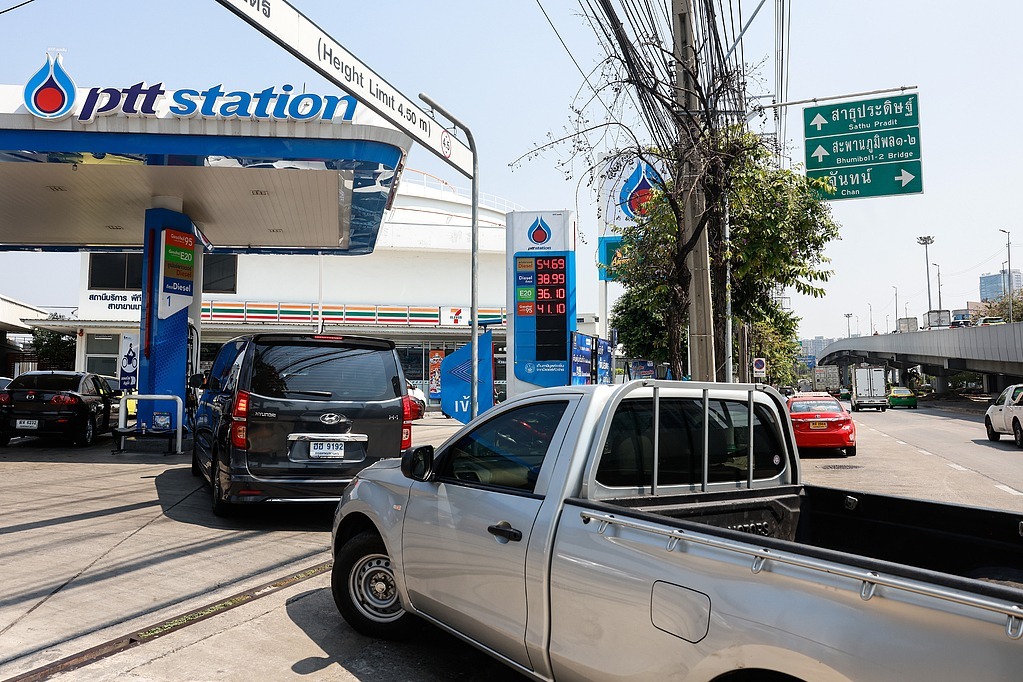
The Asia-Pacific region’s plastics manufacturing sector is confronting severe supply chain disruptions and escalating production costs as geopolitical tensions in the Middle East continue to destabilize global energy markets. The industry-wide crisis emerged following military engagements between the United States, Israel, and Iran in late February, which precipitated a dramatic surge in oil prices exceeding $118 per barrel and triggered the strategic closure of the Strait of Hormuz.
This critical maritime chokepoint handles approximately 25% of globally traded chemicals and plastics, with Asian nations importing nearly 60% of their naphtha supplies from Gulf producers. The supply constraint has compelled multiple petrochemical giants across Southeast Asia to declare force majeure and implement production reductions. Significant operators including Singapore’s The Polyolefin Co, Thailand’s Rayong Olefins, and Indonesia’s PT Chandra Asri Pacific have initiated partial plant shutdowns due to critical feedstock shortages.
Industry reporting from ICIS Chemical Business indicates polyethylene (PE) producers are implementing consecutive contract increases totaling 20 US cents per pound through March and April. PE prices have surpassed $1,500 per metric ton in Vietnam—reaching pandemic-era peaks—with analysts predicting further increases amid sustained supply constraints.
The crisis is now propagating through downstream value chains, particularly affecting food packaging manufacturers. Major consumer goods producers including Indian bottled water giant Bisleri have implemented 11% price increases to offset packaging cost inflation. The Indonesian Packaging Federation confirms members are actively investigating alternative materials including polyester films and paper-based solutions to replace polypropylene-based packaging.
According to OECD data, Southeast and East Asia represent the world’s largest plastic polymer producers and consumers, with plastic usage growing ninefold since 1990 to exceed 150 million metric tons annually. This exponential growth—driven by population expansion, urbanization, and rising incomes—has intensified the region’s vulnerability to feedstock supply disruptions.
Thai industry leaders have urged governmental intervention to secure alternative raw material sources and enhance price monitoring mechanisms as energy costs now constitute up to 50% of operational expenses for heavy industries including petrochemicals, cement, and steel production.