FRANKFURT, Germany — Global oil markets face significant volatility as trading resumes following weekend closures, with analysts warning of potential price fluctuations stemming from recent military actions in the Middle East. The strategic strikes conducted by U.S. and Israeli forces have created substantial uncertainty regarding regional oil supply chains, particularly affecting Iranian exports which average approximately 1.6 million barrels daily.
Pre-conflict analytical models projected varying scenarios based on the severity of infrastructure damage. Limited engagements that avoid comprehensive regime change or full-scale warfare could trigger immediate price increases of $5-$10 per barrel, primarily driven by market apprehension rather than actual supply disruption, according to energy research firm Rystad Energy.
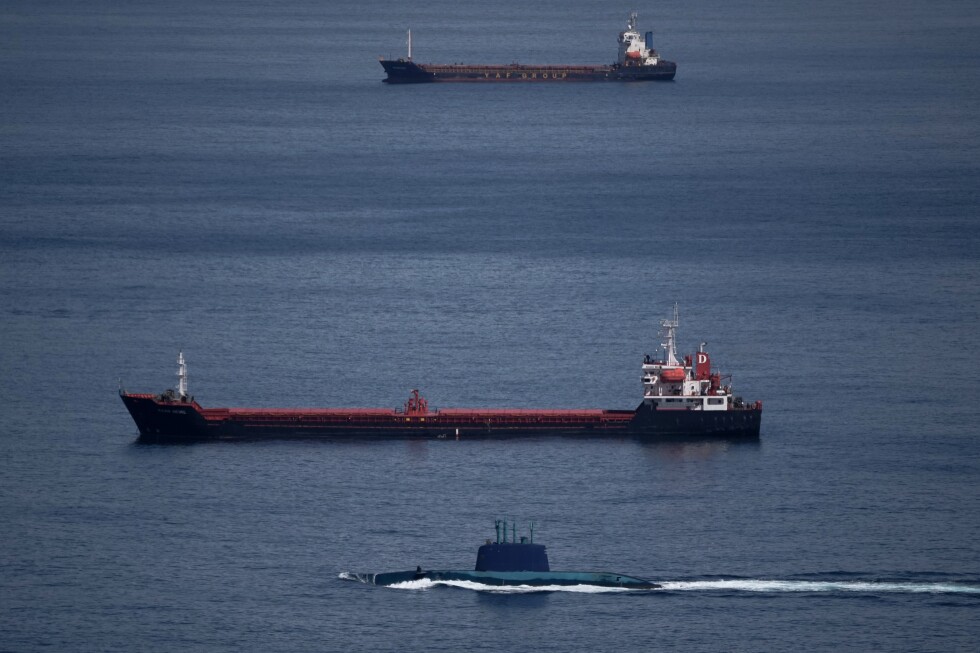
The geopolitical tension has already influenced market behavior, with international benchmark Brent crude closing at a seven-month peak of $72.87 per barrel on Friday. Further escalation remains a critical concern, especially regarding the Strait of Hormuz—a vital maritime passage handling 20% of global oil shipments daily. Major Middle Eastern exporters including Saudi Arabia, Iraq, and the United Arab Emirates depend heavily on this channel for their distribution networks.
Energy strategist Clayton Seigle of the Center for Strategic & International Studies outlined a concerning wartime scenario where Iranian disruption of tanker traffic could propel crude prices beyond $90 per barrel, subsequently driving U.S. gasoline prices significantly above $3 per gallon. Current national averages stand at $2.98 per gallon according to AAA motor club data.
Despite concerning possibilities, analysts note Iran’s limited incentives for closing the Strait of Hormuz, as such action would simultaneously cripple its own export capabilities and damage relations with China, its primary oil customer. Chinese privately-owned refineries have continued purchasing Iranian oil despite U.S. sanctions, creating a complex geopolitical dynamic that could see Chinese buyers seeking alternative sources if supplies are interrupted, potentially accelerating global price increases.