As the fourth anniversary of Russia’s full-scale invasion of Ukraine approaches, Western sanctions have successfully constricted the nation’s vital energy revenue streams to their lowest levels in years. January witnessed a dramatic plunge in Russian oil and gas tax revenues to 393 billion rubles ($5.1 billion), a stark decline from 587 billion rubles in December and the lowest figure recorded since the COVID-19 pandemic, according to Janis Kluge of the German Institute for International and Security Affairs.
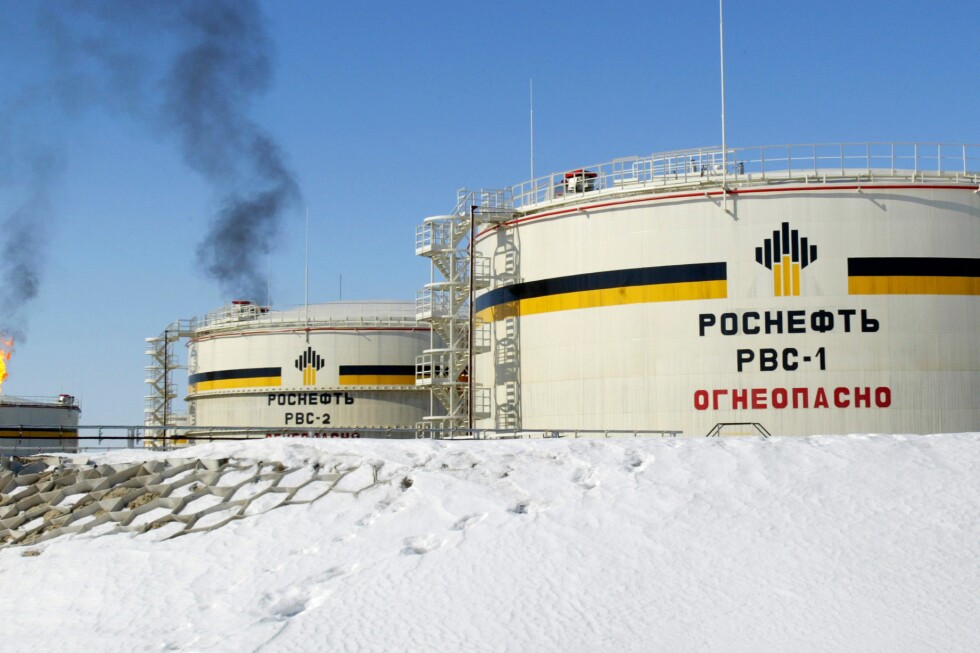
This financial pressure stems from a coordinated multi-front offensive by Western powers. The Trump administration implemented stringent sanctions against Russian energy giants Rosneft and Lukoil in November, threatening to cut off any entity conducting business with them from the U.S. banking system. Concurrently, the European Union enacted a comprehensive ban on refined Russian petroleum products effective January 21, preventing third-party processing and export to European markets. EU Commission President Ursula von der Leyen has further proposed a complete prohibition on shipping services for Russian oil, emphasizing that economic pressure remains essential to compel Moscow toward genuine peace negotiations.
The effectiveness of these measures extends beyond direct sanctions. The Trump administration’s tariff negotiations with India have yielded commitments to reduce Russian crude imports, resulting in a significant drop from 2 million barrels per day in October to 1.3 million by December. Meanwhile, international efforts have targeted Russia’s ‘shadow fleet’ of sanction-evading tankers, with approximately 640 vessels now facing sanctions across the U.S., U.K., and EU.
These actions have created a cascading economic impact: Russian Urals crude now trades at a substantial discount of approximately $25 per barrel compared to international benchmarks, reducing tax revenues directly tied to oil prices. The resulting financial shortfall has forced the Kremlin to implement austerity measures including increased value-added taxes, higher levies on imported goods, and substantial borrowing from domestic banks. While these measures maintain short-term budget stability, they exacerbate existing economic challenges including slowing growth (projected at 0.6-0.9% for 2025), persistent inflation at 5.6%, and severe labor shortages.
Analysts suggest that while these economic pressures are unlikely to force immediate peace negotiations, they may influence Russia’s military strategy. As S&P Global Energy analyst Mark Esposito notes, the sanctions package creates a ‘domino effect’ that impacts both crude flows and refined products. Economic experts predict that sustained financial strain could lead Russia to reduce military operational intensity and focus on specific frontlines within the next six to twelve months.