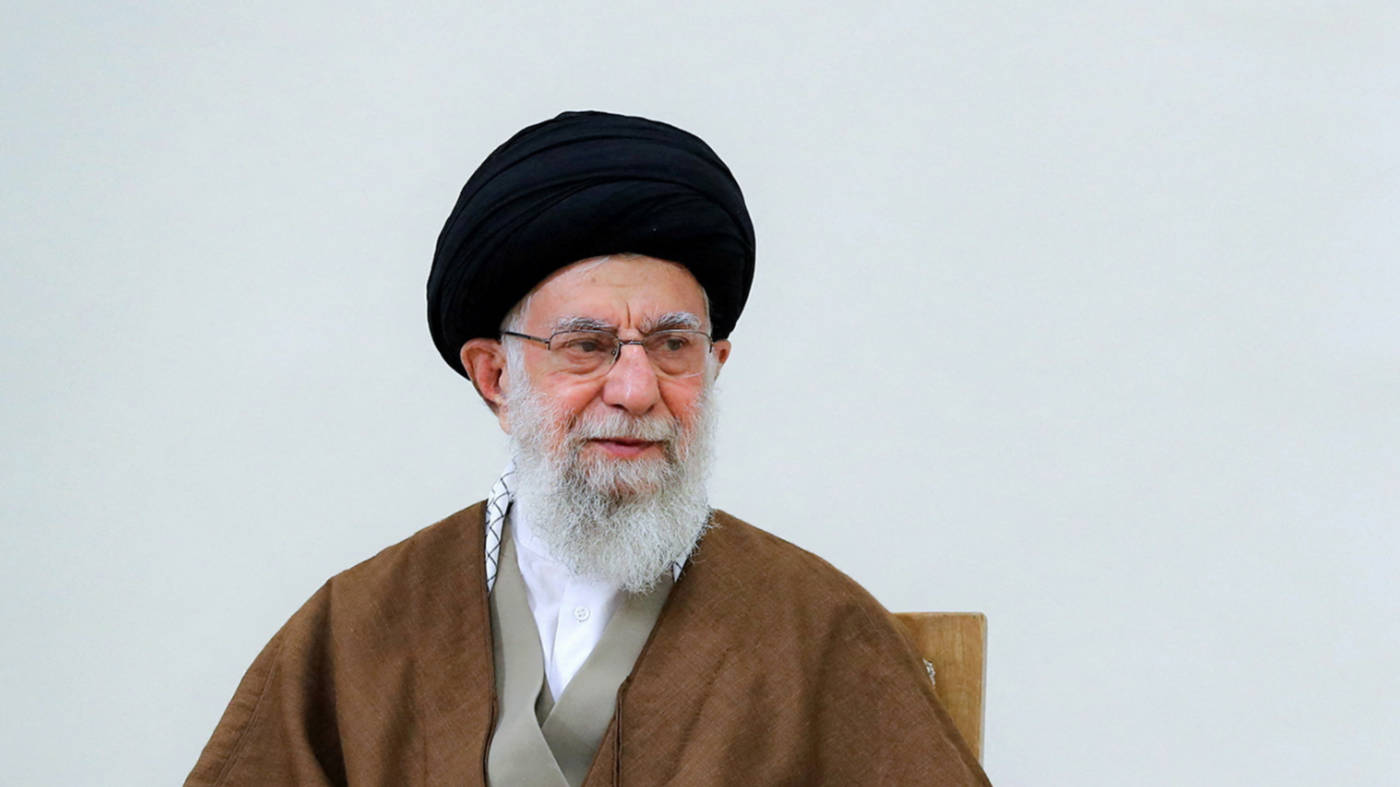
In a seismic development for Middle Eastern geopolitics, Iran’s Supreme Leader Ayatollah Ali Khamenei was killed Saturday in a coordinated US-Israeli aerial assault, abruptly concluding his four-decade dominance over Iranian political and religious life. The 86-year-old cleric had governed as Iran’s ultimate authority since 1989, steering the nation through profound internal transformations and confrontational foreign policies.
Khamenei’s ideological journey began within a clerical family in April 1939. He pursued religious education in Mashhad and Najaf seminaries before returning to Qom for advanced studies under prominent theologians including Ayatollah Ruhollah Khomeini. During the 1960s-70s, Khamenei engaged in underground resistance against Shah Pahlavi’s regime, enduring repeated imprisonment and torture by the SAVAK secret police.
The 1979 Islamic Revolution catapulted him into leadership roles, including positions on the Revolutionary Council, parliamentary membership, and deputy defense ministership. His political ascent nearly ended in 1981 when an assassination attempt by the Forqan Group left his right arm permanently paralyzed. Following the simultaneous assassinations of President Raja’i and Prime Minister Bahonar that same year, Khamenei won the presidency with 95% support in an uncontested election.
Khamenei’s presidency coincided with Iran’s devastating eight-year war against Saddam Hussein’s Iraq, during which he cultivated anti-American rhetoric at international forums including the UN General Assembly. The 1989 demise of Ayatollah Khomeini created a leadership vacuum that Khamenei filled despite his self-professed inadequacy as a “minor seminarian.” Constitutional revisions subsequently emphasized political acumen over religious credentials for the leadership position.
His tenure witnessed constant tension between conservative and reformist factions. Initially collaborating with President Rafsanjani, Khamenei later countered President Khatami’s liberalization attempts and openly supported Ahmadinejad’s controversial 2009 re-election, triggering the Green Movement protests. The Supreme Leader consistently attributed domestic unrest to foreign interference, particularly following the 2022 Mahsa Amini protests and 2025 economic demonstrations.
Khamenei’s foreign policy legacy includes the nuclear negotiations that produced the 2015 JCPOA, which he later denounced as proof of American untrustworthiness after Trump’s 2018 withdrawal. His most significant regional project—the “Axis of Resistance” uniting Hezbollah, Hamas, Houthis, and Syrian allies—began disintegrating following Israel’s 2023 Gaza offensive, the 2024 assassination of Hassan Nasrallah, and Syria’s regime collapse. This deterioration enabled Israel’s direct strikes culminating in the June 2025 homeland conflict and ultimately Khamenei’s assassination.