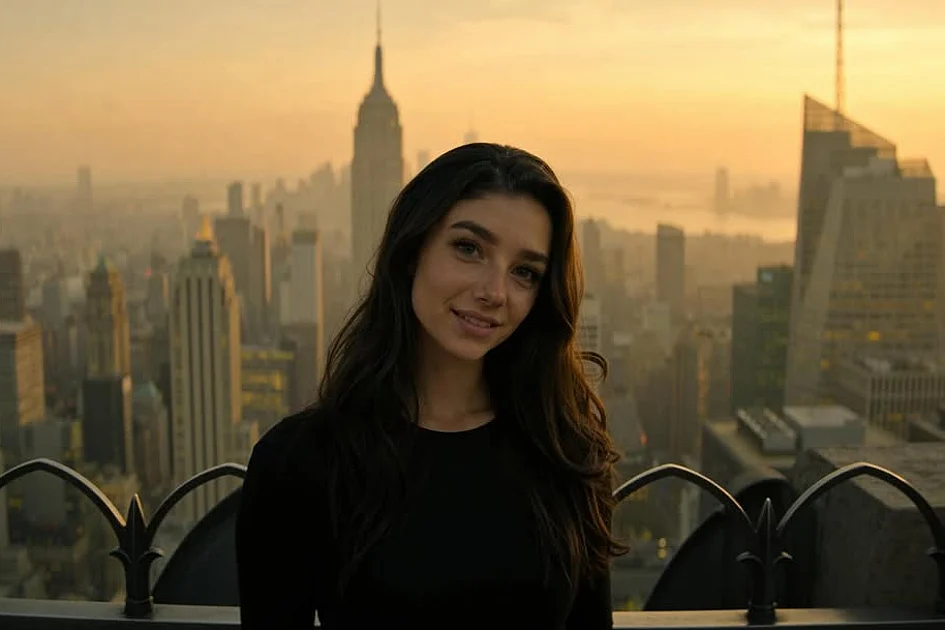
The entertainment industry faces a revolutionary development with the introduction of Tilly Norwood, recognized as the world’s first AI actress, created by Dutch actor-producer Eline van der Velden. This digital performer, unveiled at a Zurich film industry conference earlier this year, features distinctive long brown hair and a carefully crafted appearance intentionally designed to be ‘not too beautiful, but pretty’ without resembling any specific human actor.
Van der Velden recently addressed significant criticism from SAG-AFTRA and Hollywood elites during a BBC interview, clarifying that her creation aims not to displace human actors but to pioneer an entirely new media category. The producer envisions a future entertainment landscape with three distinct formats: traditional human-performed content, animation, and AI-generated media where synthetic performers like Norwood would exclusively operate.
The creation process involved over 2,000 iterations to achieve Norwood’s final appearance, reflecting van der Velden’s commitment to developing an AI performer that avoids promoting unrealistic body standards. The creator argues that since audiences recognize AI actors as artificial constructs, they won’t internalize potentially harmful physical ideals. Despite this rationale, the Screen Actors Guild-American Federation of Television and Radio Artists has expressed strong opposition, stating in an official declaration that ‘creativity is, and should remain, human-centered’ and condemning the replacement of human performers with synthetic alternatives.
Industry reports indicate that studio executives have shown interest in incorporating the AI actress into various projects, though this potential development has intensified concerns about AI’s expanding role in creative fields. The emergence of synthetic performers represents both technological innovation and a significant challenge to traditional entertainment industry practices and employment structures.