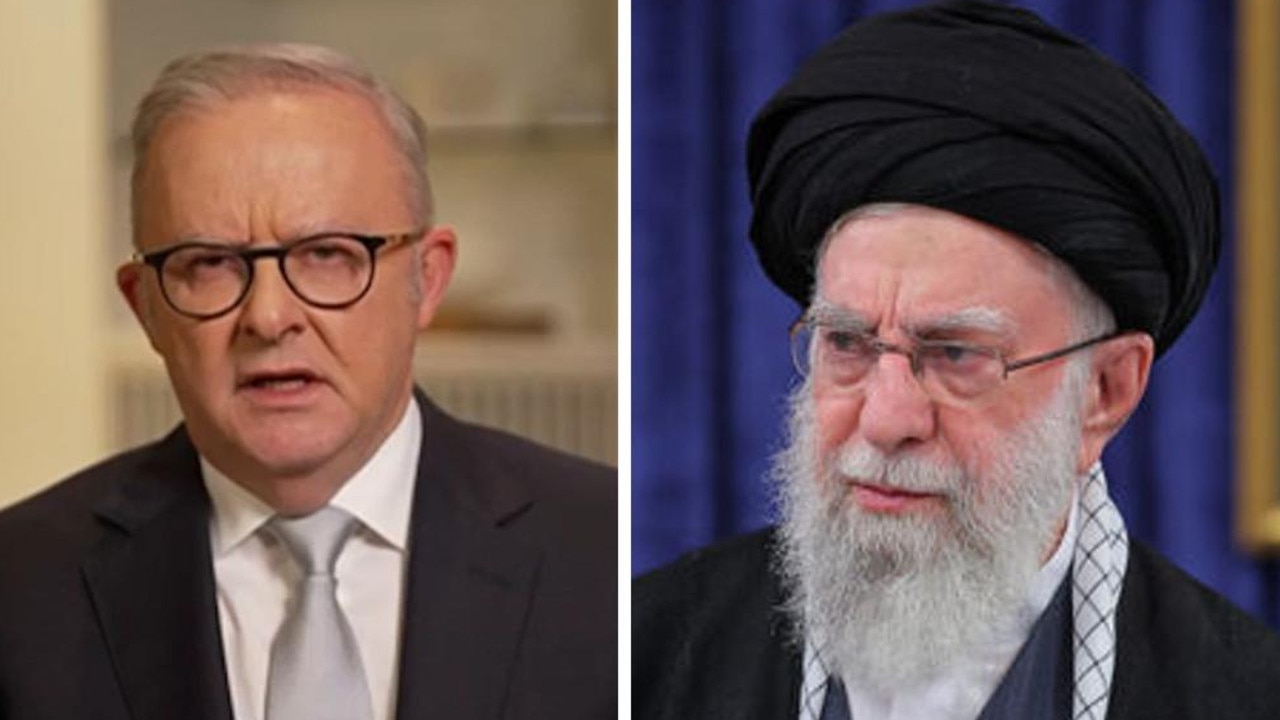
Australian Prime Minister Anthony Albanese has reaffirmed his government’s endorsement of the military operation that eliminated Iran’s Supreme Leader Ayatollah Ali Khamenei, while carefully sidestepping inquiries regarding the operation’s compliance with international law. The coordinated US-Israeli strikes, which targeted Tehran over the weekend, resulted in the death of Khamenei—who had governed Iran since 1989—alongside several other high-ranking Iranian officials.
The geopolitical aftermath has triggered immediate regional instability, with Iran already launching retaliatory assaults against multiple Gulf States. Australia emerged among the earliest nations to publicly support the offensive, with Albanese, Deputy Prime Minister Richard Marles, and Foreign Minister Penny Wong issuing a collective statement justifying the action as necessary to prevent Iran from acquiring nuclear capabilities and endangering global security.
During an appearance on ABC’s 7.30 Report, Albanese declined to address legal questions surrounding the preemptive strike, emphasizing that Australia was not privy to the intelligence underpinning the decision. He stated that the ayatollah’s death ‘would not be mourned’ in Australia, citing Iran’s history of state-sponsored terrorism, domestic oppression, and violent crackdowns on dissent.
Albanese further condemned any public memorials honoring Khamenei as ‘inappropriate,’ expressing hope that the Iranian people would now determine their own political future free from the influence of the Islamic Revolutionary Guard and theocratic leadership.
Meanwhile, Israel’s newly appointed ambassador to Australia, Hillel Newman, defended the operation as a justified act of self-defense, citing two primary threats: Iran’s nuclear ambitions and its development of ballistic missiles capable of large-scale attacks.