In a significant escalation of regional military tensions, North Korea launched multiple ballistic missiles from its eastern coast on Sunday morning, marking its first weapons test of 2026. The launch occurred amidst heightened geopolitical sensitivities following recent U.S. military operations in Venezuela and ahead of crucial diplomatic meetings in the region.
According to South Korea’s Defense Ministry, several projectiles—presumed to be ballistic missiles—were detected originating from areas near Pyongyang at approximately 7:50 am local time (2250 GMT Saturday). The missiles traveled approximately 900 kilometers (559 miles) before landing in waters off the Korean Peninsula’s eastern coastline. South Korean and United States intelligence agencies immediately commenced joint analysis of the missiles’ technical specifications while maintaining maximum defensive readiness.
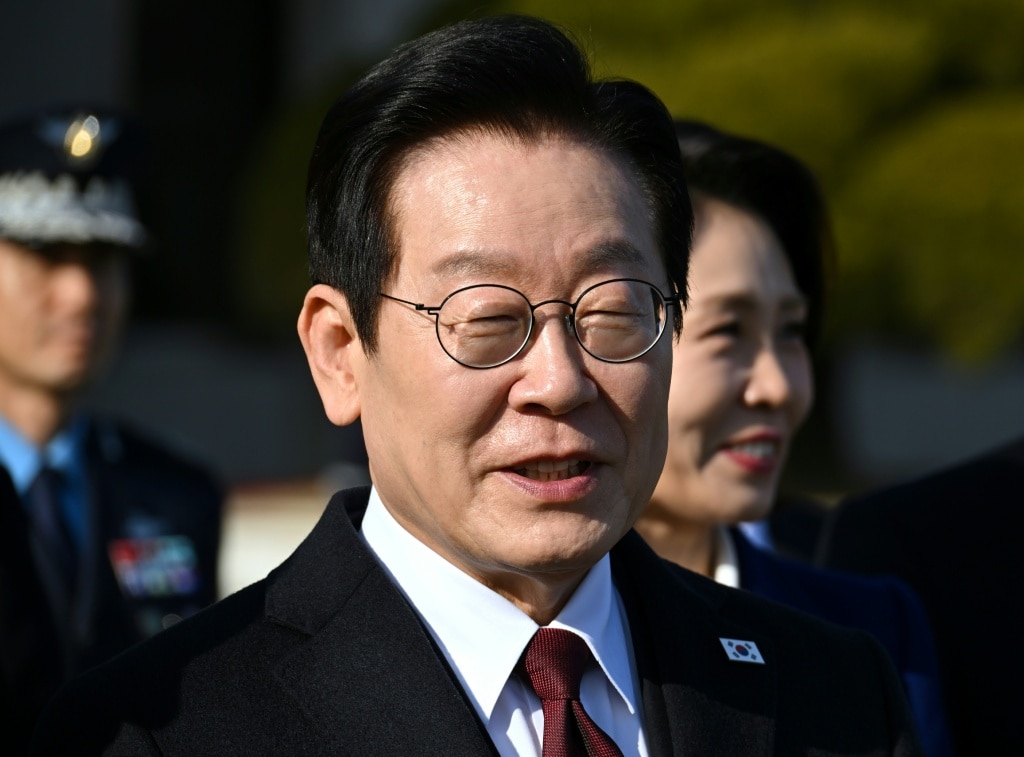
The timing of this provocation appears strategically calculated, occurring merely hours before South Korean President Lee Jae Myung’s scheduled departure for Beijing to discuss inter-Korean relations with Chinese President Xi Jinping. Additionally, the test follows closely after U.S. military operations in Venezuela that resulted in the removal of President Nicolas Maduro—an action that North Korean leadership perceives as validating their long-standing fears of American-led regime change operations.
Pyongyang’s Foreign Ministry issued a formal statement condemning the Venezuela operation as a “serious encroachment of sovereignty” and characterizing it as confirmation of “the rogue and brutal nature of the U.S.” This perspective aligns with North Korea’s historical justification for its nuclear and missile programs as essential deterrents against perceived American aggression.
Japanese defense authorities confirmed detecting two projectiles reaching altitudes of 50 kilometers with flight distances of 900 and 950 kilometers respectively. Defense Minister Shinjiro Koizumi denounced the development as “absolutely intolerable,” emphasizing that North Korea’s weapons programs threaten regional and international stability.
Analysts suggest the missile test serves multiple strategic purposes: demonstrating military capabilities amid heightened tensions, testing weapons potentially destined for Russian markets, and signaling resolve ahead of North Korea’s first ruling party congress in five years. Recent reports indicate leader Kim Jong Un has personally overseen the expansion of missile production capabilities, ordering a 250 percent increase in manufacturing capacity during a factory inspection this week.