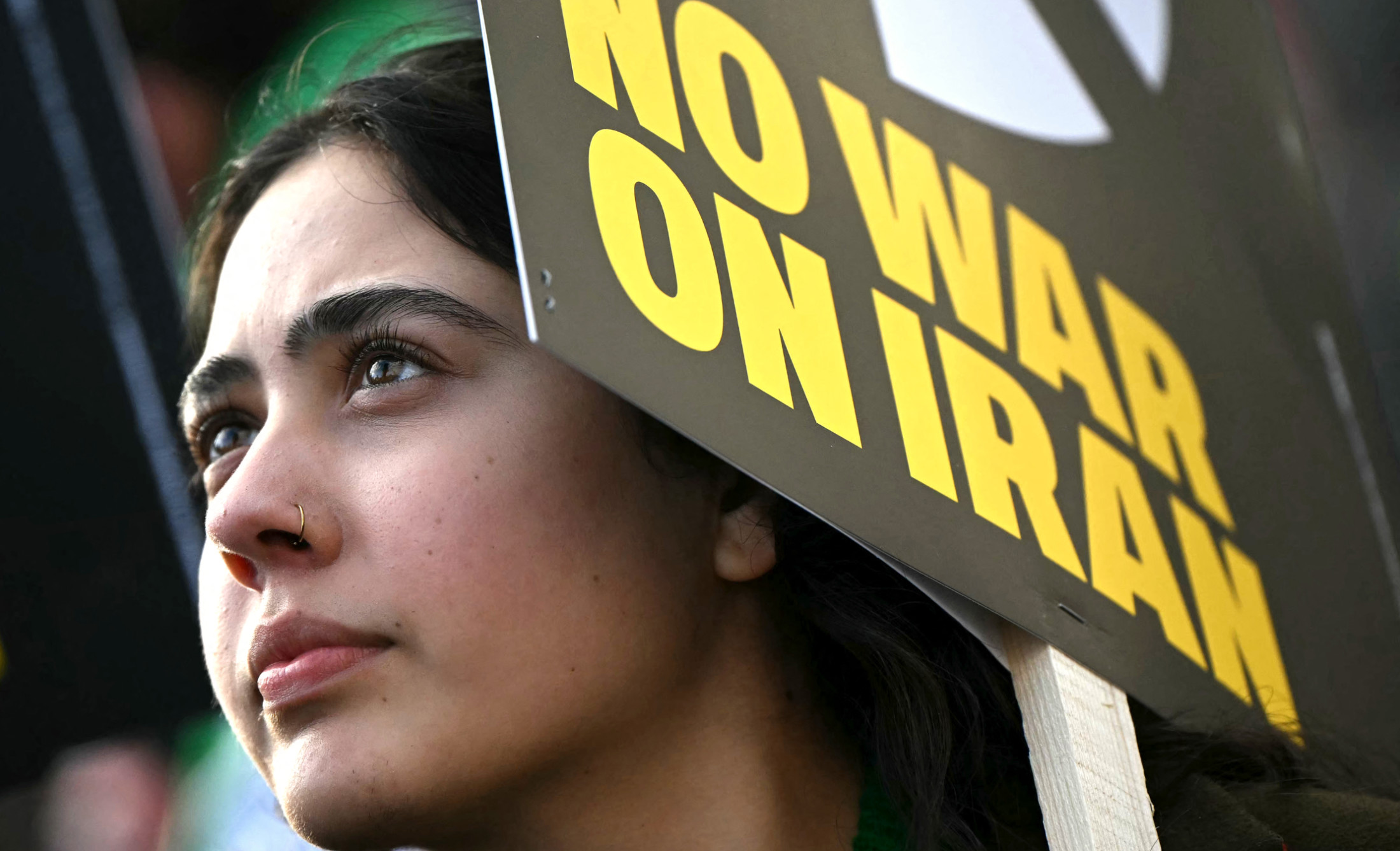
The initial hours following U.S.-Israeli military strikes on Iran ignited a fierce and multifaceted debate across Farsi-language social media, revealing profound fractures within the Iranian opposition movement. The discourse, spanning the entire political spectrum, showcased a stark divergence of opinions regarding foreign intervention.
Almost immediately, anti-war activists resurrected the Farsi hashtag #NoToWar, advocating against military escalation. This stance stood in direct opposition to calls from pro-monarchy factions, spearheaded by Reza Pahlavi—the Israel-aligned son of Iran’s last Shah—who publicly demanded an intensification of attacks on the Islamic Republic. Pahlavi’s camp, which has aggressively campaigned against rival opposition voices since Israel’s previous conflict with Iran, found itself at the center of a growing storm of criticism.
Prominent journalist and regime critic Panah Farhadbahman issued a stark warning against foreign military action, drawing a historical parallel. He likened contemporary supporters of extensive U.S. strikes to those who backed the 1979 revolution, emphasizing that their advocacy would be permanently recorded. In a separate statement, Farhadbahman argued that the destruction of military infrastructure by Israel and the U.S. strategically weakens any future Iranian government, questioning the sincerity of motives behind the strikes.
The criticism of Pahlavi intensified as users circulated symbolic imagery highlighting his perceived foreign allegiances. Comparative graphics placed his grandfather, Reza Shah, next to the British flag (referencing the 1921 coup), his father, Mohammad Reza Pahlavi, beside the American flag (referencing the 1953 CIA-backed coup), and Reza Pahlavi himself adjacent to the Israeli flag, identifying it as his primary foreign supporter—a connection many opposition figures find deeply troubling.
This sentiment was echoed by political analyst Behrouz Farahani, who pointedly questioned the prospect of Israeli-backed democracy by sharing a report on Israeli soldiers shooting a Palestinian child. The Toofan opposition group abroad condemned the attacks, declaring that ‘war of aggression is not a solution to any problem. It is the problem.’
The human cost of the conflict was brought into sharp focus by the widespread sharing of images from a struck girls’ school in Minab, where officials reported at least 85 fatalities, predominantly girls aged seven to twelve. This tragedy fueled a complex sentiment captured in one user’s post: ‘No to the Islamic regime. No to war. No to Israeli and US aggression. No to fascism and Pahlavi.’
Conversely, U.S.-backed figures like journalist Masih Alinejad called for continued assaults, a position that also drew significant backlash. One user criticized Alinejad for celebrating a strike on a former official’s residence while allegedly ignoring the visible panic and potential civilian casualties in the footage she shared.
The anti-war movement also resonated with persecuted religious minorities. A widely circulated video featured Pastor Mona Pahlevani directly addressing Iranians who had solicited foreign intervention, holding them responsible for the ensuing Iranian deaths and stating, ‘The blood of the people killed in the war… is on your hands.’