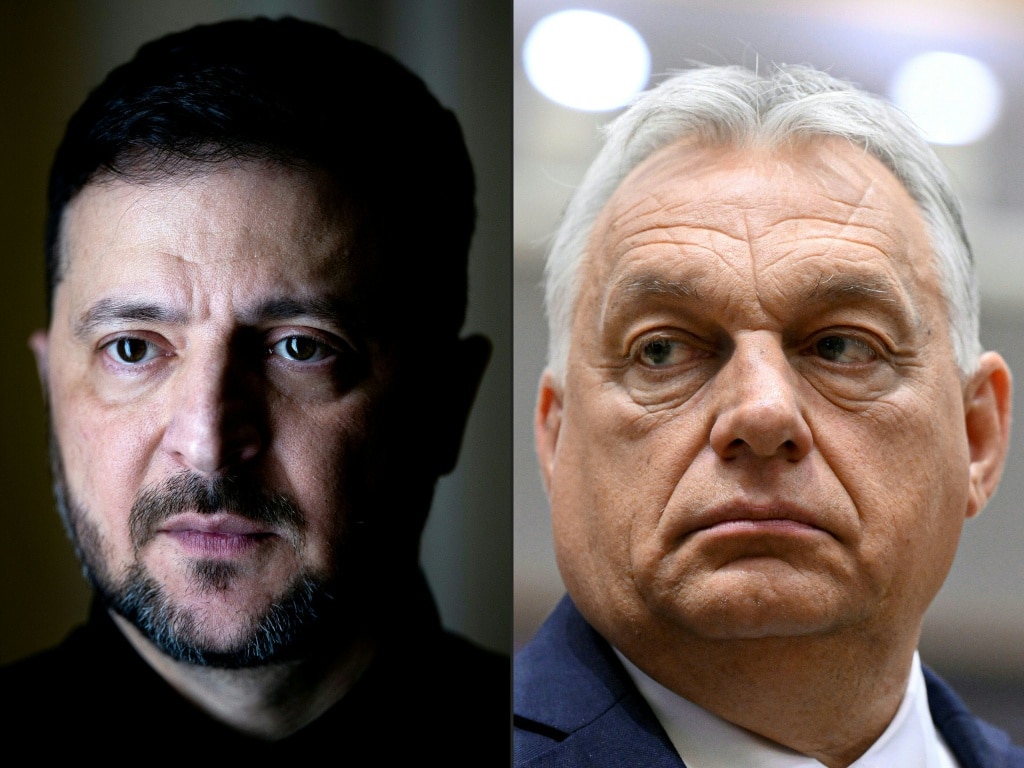
A critical European Union summit in Brussels has been overshadowed by a deepening confrontation between Hungarian Prime Minister Viktor Orban and Ukrainian leadership, placing a vital €90 billion ($104 billion) financial package for Kyiv in jeopardy. The dispute centers on the Druzhba oil pipeline, a crucial energy conduit running from Russia through Ukraine to Hungary, which has suffered damage and subsequently halted oil flows to landlocked Hungary and Slovakia.
Orban, maintaining his position as Moscow’s closest ally within the EU bloc, has explicitly linked the restoration of oil transit to the approval of Ukrainian aid. In a stark ultimatum, he declared, “No oil, no money,” asserting that President Volodymyr Zelensky must ensure the pipeline’s reopening to receive the EU funds. This stance frames the economic lifeline for a nation at war as conditional on resolving a bilateral infrastructure issue.
Kyiv has vehemently rejected this linkage, characterizing the Hungarian leader’s demands as outright “blackmail” that inappropriately connects technical repairs to essential military and financial support against Russian aggression. While the European Commission has attempted to mediate by dispatching a technical team to address the pipeline damage, Budapest dismissed these efforts as mere “theatre,” demonstrating no willingness to compromise.
EU diplomats express widespread frustration, noting that Orban had previously consented to the loan package at a December summit. The deadlock presents a significant challenge for other member states, who must navigate the delicate balance of pressuring Hungary without bolstering Orban’s domestic narrative as an EU maverick, particularly as he faces a tight electoral contest on April 12th. With Ukraine requiring the funds by early May, the Brussels summit represents a critical juncture, yet insiders remain pessimistic about a breakthrough, acknowledging there is no viable “Plan B” should Orban refuse to honor his prior commitment.