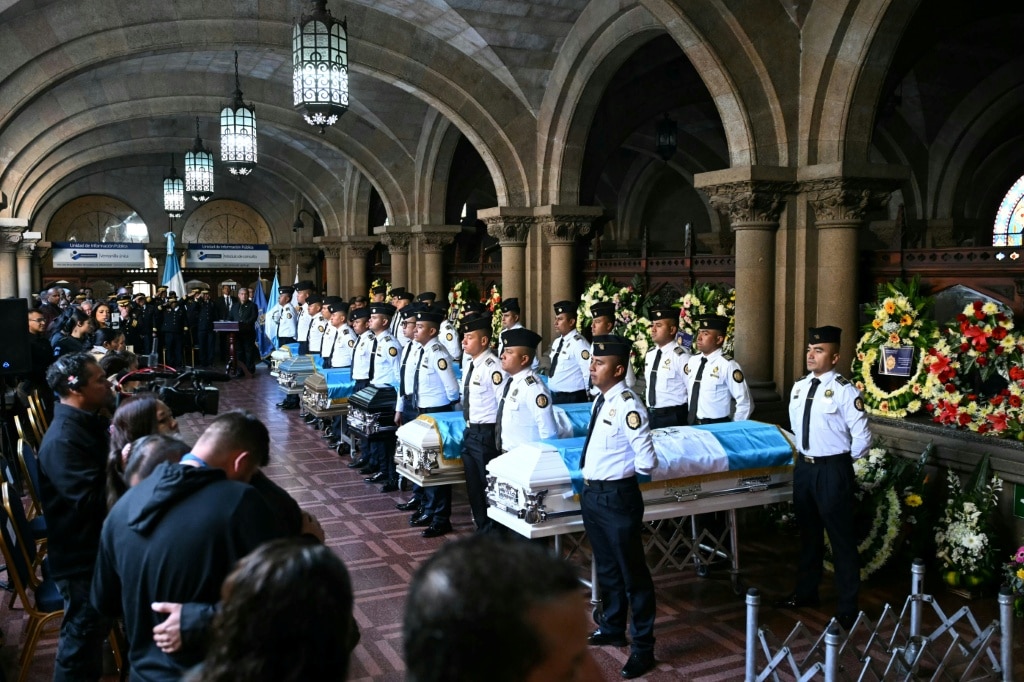
Guatemala has plunged into a state of emergency following a devastating surge in gang-related violence that has resulted in the deaths of nine police officers. President Bernardo Arevalo enacted the 30-day emergency measure on Sunday in response to coordinated riots across three prisons and a subsequent wave of targeted attacks on law enforcement personnel.
The crisis ignited when gang-affiliated inmates seized 45 guards and a psychiatrist as hostages on Saturday. Their demands centered on the transfer of gang leaders from maximum-security facilities to institutions with more lenient conditions. Guatemalan security forces, with military support, executed a successful operation on Sunday to reclaim control of the prisons and liberate all captives.
In retaliation for the government’s crackdown, criminal networks launched aggressive assaults on police stations and patrol units. These attacks claimed the lives of eight officers immediately and left another critically wounded. The ninth fatality, Officer Frayan Medrano, succumbed to his injuries on Monday after being shot during a motorcycle patrol south of Guatemala City. The violence also left a dozen additional officers wounded and resulted in the death of one suspected gang member.
Authorities have attributed much of the violence to the Barrio 18 gang, alongside their rivals MS-13. Both organizations are recognized by the United States as terrorist entities and are held responsible for significant drug trafficking and criminal operations throughout Central America. In a significant development, security forces captured Aldo Dupie, known by the alias ‘El Lobo’ (The Wolf), the alleged leader of Barrio 18 in Guatemala. Official footage showed him being taken into custody with bloodstained clothing.
The declared state of emergency grants expanded powers to security forces, including the authority to suspend assembly rights and conduct arrests without immediate judicial oversight. This crisis continues a pattern of prison unrest in Guatemala dating back to mid-2025, with gang members repeatedly demanding improved conditions for their incarcerated leaders.
Guatemala faces profound security challenges, with homicide rates reaching 17.65 per 100,000 inhabitants last year—more than double the global average. The nation’s struggle with organized crime reflects broader regional patterns where criminal enterprises continue to operate from within prison systems, often with alleged collusion from corrupt officials.