LONDON – Just one week into his tenure as United Kingdom Prime Minister, Labour Party leader Andy Burnham has made fixing England’s long-troubled social care system his top domestic priority, promising to break a decades-long cycle of political failure that has left the sector crumbling.
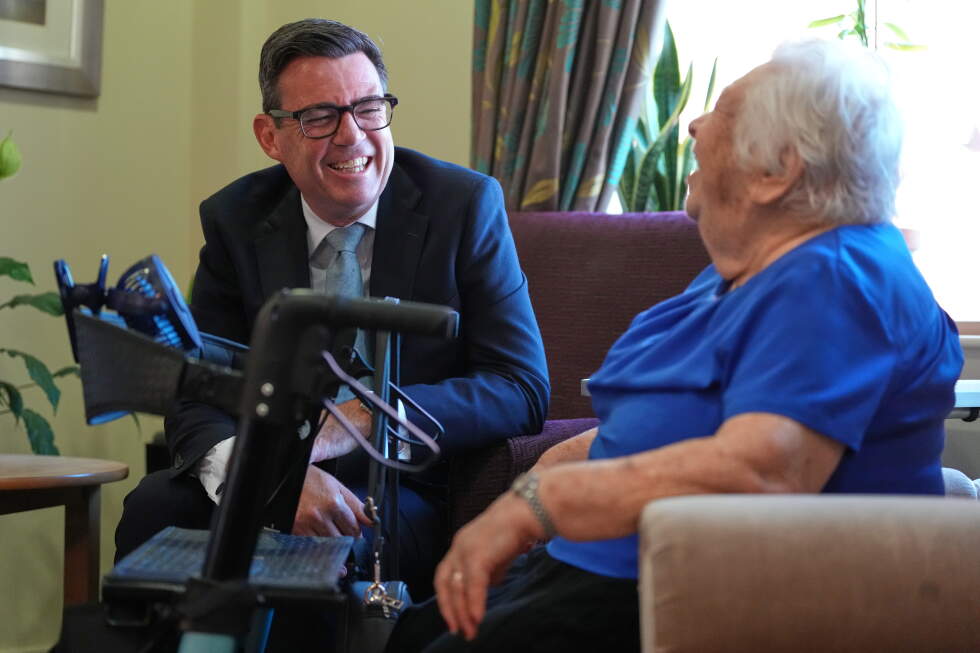
At 56, Burnham acknowledges that his generation of political leaders shares collective blame for leaving the system in a state of disrepair. Built on a combination of an overburdened public sector and profit-driven private care providers, the current setup leaves vulnerable people facing catastrophic costs, a inequity Burnham compares to the failures of the United States’ healthcare system. “It was a major dereliction of duty that we failed to deliver decent care that is affordable for both individuals and the state,” he said during a speech at a London care home this Wednesday.
Addressing widespread public skepticism that has grown after generations of unfulfilled reform promises, Burnham pushed back against expectations of more political inaction. “You’ve probably got a feeling of déjà vu,” he told the gathered audience. “Don’t have that. This time we’re going to do it.” He went further, criticizing decades of cross-party political infighting that put partisan point-scoring above urgent public need – including admitting his own role in past failed efforts. When he served as health secretary under former Labour Prime Minister Gordon Brown in 2009, Burnham first proposed social care restructuring, but the effort never delivered lasting change. After ten years serving as mayor of Greater Manchester outside of national government, his return to Downing Street gives him a second chance to address the issue, which he says is deeply personal: his father currently lives with Alzheimer’s disease.
“ I’m making this a test of myself,” Burnham said. “I would never forgive myself if I left without having tried.”
To build cross-party and public consensus around reform, Burnham laid out a clear roadmap for change. His core proposal is to create a new “national care service”, a publicly aligned system that would operate alongside the iconic taxpayer-funded National Health Service (NHS), the universal free healthcare system founded after World War II. Veteran social welfare expert Louise Casey, who has led multiple high-profile public inquiries, will helm a nationwide public engagement initiative dubbed the “Big Conversation”, designed to gather input from communities, care users and workers across the country. Casey framed the process as a rare opportunity to renegotiate the social contract around care, calling it a potential “game changer” for the sector.
Burnham has also extended invitations to leaders of all opposition parties to join cross-party talks, arguing that meaningful reform can only succeed if rival parties set aside their differences to find common ground. So far, the main opposition Conservative Party has confirmed its health spokesperson will attend, and centrist Liberal Democrat leader Ed Davey has also committed to participating. Right-wing Reform UK, which leads national opinion polls but holds only seven of 650 seats in the House of Commons, has confirmed it did not receive an invitation.
The prime minister has openly acknowledged that the transformation will require difficult choices, and he is prepared to face short-term political unpopularity to deliver change, including potential tax increases to fund the overhaul. Beyond system restructuring, Burnham also pledged to address long-standing issues in the care workforce: he plans to raise wages, expand training, and improve working conditions for care workers, who he said currently do life-saving vital work for “poverty pay”. The government will also review two contentious core elements of the current system: the personal contribution thresholds that require many people to spend almost all their savings before qualifying for state-funded care, and the dominant role of private for-profit companies that own the majority of UK care homes.
Social care reform has been a toxic, unresolved political issue for decades, haunting both Labour and Conservative governments alike. With an aging national population growing the demand for care every year, and the broader public health system still recovering from strains of the COVID-19 pandemic, the need for overhaul has become increasingly urgent for British policymakers.