Scientists at Shanghai’s East China University of Science and Technology have achieved a technological milestone by developing an innovative system that transforms food waste into sustainable marine fuel. The breakthrough technology, known as Biogas Energy Science and Technology to Methanol (BESTm), successfully converts organic waste into green methanol suitable for ocean-going vessels.
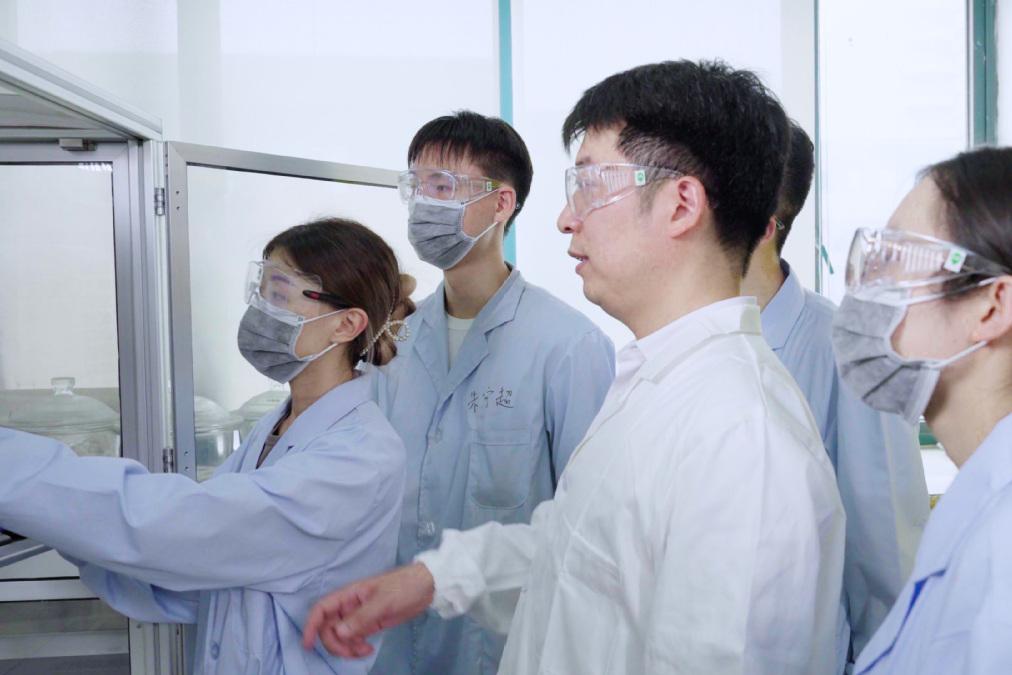
Led by Professor Chen De, who serves both as chair professor at the university and chief scientist at Shanghai CEO Technology Co, the research team has completed the pilot phase of this revolutionary project. The system demonstrates unprecedented efficiency by achieving nearly 100% carbon conversion from biogas to green methanol, significantly outperforming traditional methods that typically waste carbon dioxide emissions.
The technological advancement addresses two critical environmental challenges simultaneously: reducing food waste accumulation in urban areas while providing a sustainable alternative to conventional heavy fuel oil in the shipping industry. According to Professor Duan Xuezhi, lead researcher on the project, the system can convert approximately 8 metric tons of food waste into about 1 ton of green methanol.
The collaborative effort involves multiple organizations including Shanghai Chengtou Group Corp, Sinopec Shanghai Engineering Co, and Shanggang Group Energy (Shanghai) Co. The system incorporates several proprietary technologies such as electricity-driven biogas mixed reforming, green methanol synthesis, coupled heat pump distillation, and thermal integration optimization.
This innovation arrives at a crucial time as the global shipping industry faces mounting pressure to achieve net-zero emissions by 2050. Green methanol has emerged as a leading alternative fuel candidate due to its low-carbon lifecycle and compatibility with existing marine engine technology. The BESTm system not only provides a technological solution but also reduces production costs by more than 30% compared to traditional methods, potentially making green methanol economically competitive with coal-based alternatives.
Researchers emphasize that cities like Shanghai, which generates approximately 3.5 million tons of wet waste annually, could produce over 400,000 tons of green methanol, substantially supporting port fuel requirements while transforming urban waste management challenges into valuable energy resources.