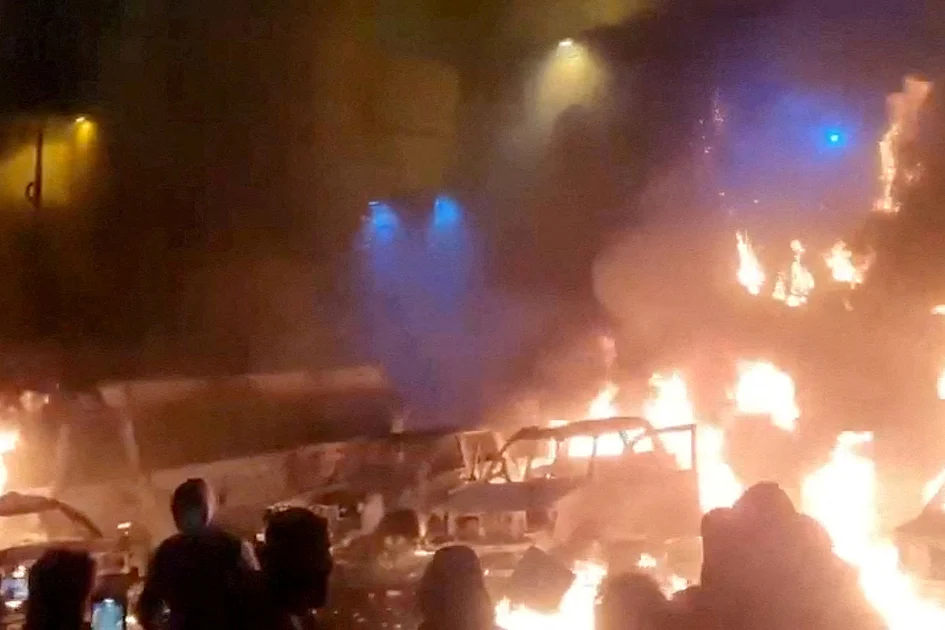
Iran has been plunged into a new wave of civil unrest as citizens defy authorities despite a comprehensive internet blackout entering its third day. The demonstrations, which initially erupted over economic grievances and soaring living costs, have evolved into a direct challenge against the nation’s theocratic establishment that has governed since the 1979 revolution.
According to documentation by the US-based Human Rights Activists News Agency, the death toll has reached at least 116 individuals, including 37 security personnel. However, human rights organizations caution that the actual number of fatalities may be significantly higher due to severe information restrictions imposed by the government’s digital crackdown.
Netblocks, an internet monitoring organization, confirmed that Iran’s connectivity shutdown has surpassed 60 hours, describing the measure as a direct threat to citizen safety during this critical period. Despite these constraints, social media platforms have circulated videos showing substantial crowds mobilizing in Tehran, Mashhad, and other urban centers, with some footage depicting burning vehicles and confrontations with security forces.
The Center for Human Rights in Iran has received disturbing accounts indicating hundreds of additional casualties, overwhelmed medical facilities, and critical blood supply shortages. Particularly alarming are reports of security forces intentionally targeting protesters’ eyes with projectiles.
Interior Minister Eskandar Momeni characterized the events as acts of vandalism during a state television broadcast, asserting that the situation was being contained. Meanwhile, Reza Pahlavi, the exiled son of Iran’s former monarch, has emerged as a vocal supporter of the demonstrations, urging continued resistance against the regime.
This uprising represents one of the most significant challenges to Supreme Leader Ayatollah Ali Khamenei’s governance, occurring against the backdrop of regional tensions following Israel’s recent military engagement with Iran and ongoing international pressure.