China has launched a groundbreaking national initiative to transform how the nation addresses climate-related health challenges through a newly released comprehensive guideline. The multi-departmental framework, developed jointly by the China Meteorological Administration, Ministry of Civil Affairs, and Ministry of Culture and Tourism among seven government bodies, represents a paradigm shift in proactive health management by integrating meteorological data with healthcare delivery systems.
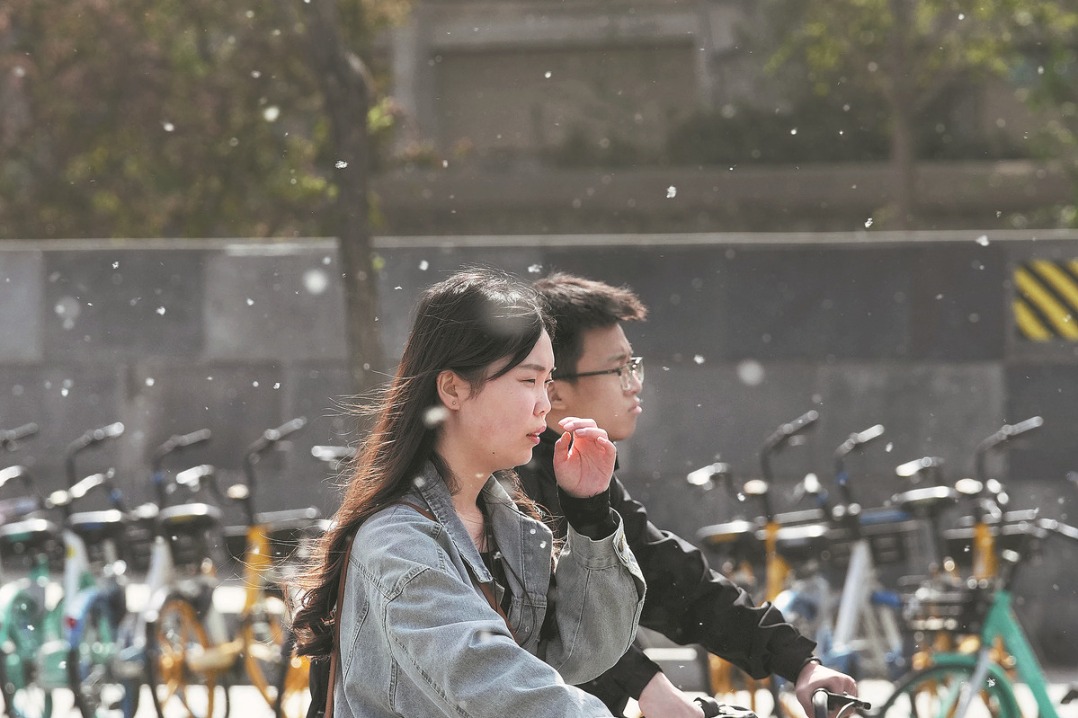
The strategic document specifically targets pervasive climate-health concerns including seasonal pollen allergies affecting approximately 250 million citizens with allergic rhinitis, joint pain exacerbated by cold waves, and weather-aggravated chronic conditions. This initiative responds to documented increases in allergy-related medical treatments throughout northern China, where recent seasons have witnessed earlier onset and intensified symptoms compared to historical patterns.
Municipal authorities have already implemented countermeasures such as strategic tree trimming, frequent ground moistening, and specialized park maintenance—including triple-daily washing of cypress trees in Beijing’s green spaces to mitigate pollen dispersion. The guideline formalizes these efforts while mandating the development of innovative insurance products incorporating meteorological indicators including heat indexes, cold spells, pollen concentration metrics, and influenza trends.
Elderly populations receive particular emphasis within the new framework due to heightened vulnerability to climatic conditions. The policy requires local authorities to publish specialized climate health advisories for seniors and implement tailored support mechanisms for nursing institutions and isolated elderly residents. Pilot programs will integrate meteorological healthcare with elderly services, exercise regimens, and tourism opportunities to address aging population challenges.
The administration will conduct nationwide assessments to create a unified climate health resource map, identifying regional advantages for developing specialized health programs. These include dry climate recuperation initiatives in northwestern regions and forest-based therapy programs in the southwest for chronic disease management.
Further innovations include integrating meteorological services with tourism offerings and traditional Chinese medicine practices, while developing climate livability assessments to transform favorable weather conditions into regional economic advantages. This comprehensive approach positions China at the forefront of climate-health integration, turning environmental factors into measurable health benefits.