A senior Chinese legislator has urged comprehensive amendments to the nation’s Energy Conservation Law, arguing that current regulations fail to address the transformative shifts caused by rapid renewable energy expansion and digital economic growth. Xiao Jie, Vice-Chairman of the National People’s Congress Standing Committee, delivered this assessment during the legislature’s ongoing session, highlighting both significant achievements and persistent challenges in China’s energy efficiency journey.
The legislative push follows extensive inspections conducted jointly by the national committee and provincial-level congresses across 12 regions, evaluating the law’s implementation since its 1998 enactment and 2007 revision. China has demonstrated remarkable progress, with national energy consumption per 10,000 yuan of GDP plunging approximately 43% from 2007 to 2024—equivalent to saving 2.3 billion metric tons of standard coal. Particularly since the 18th CPC National Congress in 2012, energy intensity has dropped 27.2%, positioning China among global leaders in efficiency improvement while maintaining 6.1% average annual economic growth against 3.3% energy consumption growth.
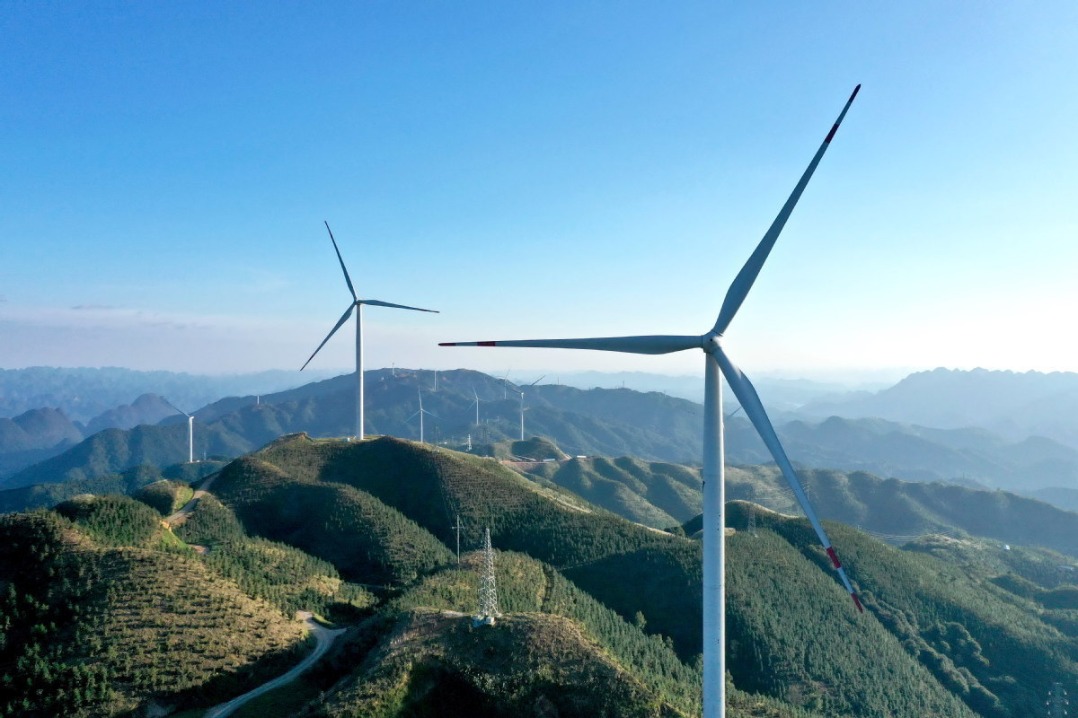
Despite these achievements, Xiao identified critical gaps in the current legal framework. The existing law lacks specific provisions for emerging energy-intensive sectors including information technology, computing infrastructure, and energy storage systems. This regulatory vacuum results in insufficient legal authority and enforceable mandatory measures for these rapidly expanding domains. Additionally, the law fails to adequately cover renewable energy integration challenges, where installed capacity frequently exceeds grid absorption capabilities.
The digital economy—now ranking second globally—presents particular urgency, with computing infrastructure electricity consumption growing nearly 20% annually during the 14th Five-Year Plan period, exceeding 250 billion kilowatt-hours yearly. Xiao emphasized that some regions continue struggling with controlling high-energy-consumption projects due to investment impulsivity, weak oversight, and redundant construction. He called for accelerated revisions through thorough research on implementation challenges and careful consideration of suggestions from law enforcement inspections, urging collective wisdom to achieve high-quality legislative updates that support China’s sustainable development goals.