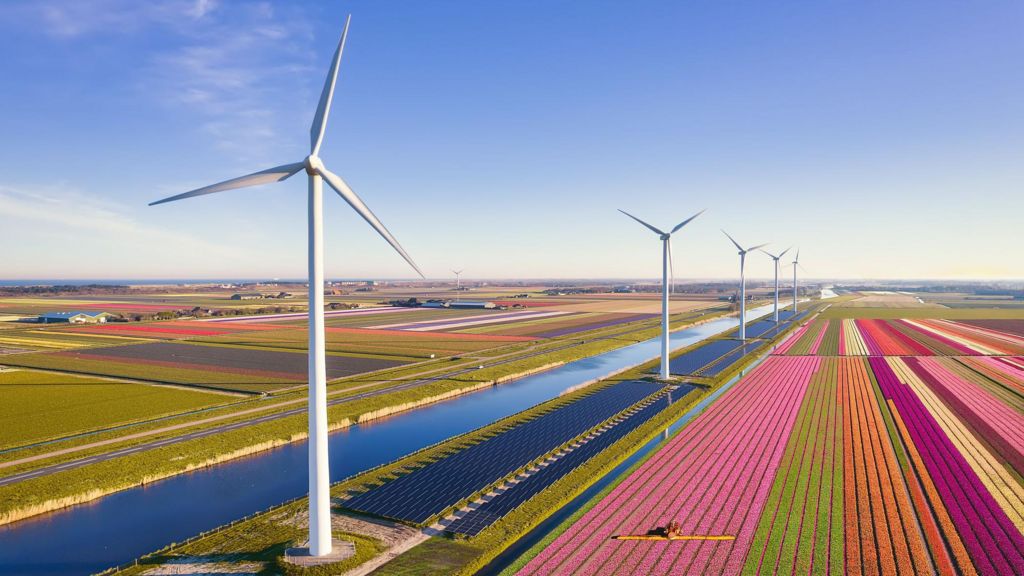
The Netherlands, a global leader in renewable energy adoption, is grappling with a severe electricity grid crisis as its rapid shift to wind and solar power overwhelms the existing infrastructure. The country has embraced electric vehicles and renewable energy with remarkable enthusiasm, boasting the highest number of charging points per capita in Europe and more than a third of homes equipped with solar panels. By 2030, offshore wind farms are expected to become the nation’s largest energy source. However, this green transition has come at a cost: the national grid is under immense strain, leading to frequent power outages and widespread grid congestion. Kees-Jan Rameau, CEO of Dutch energy provider Eneco, likens the issue to a ‘traffic jam on the power grid,’ caused by an imbalance between supply and demand. The grid, originally designed for centralized gas-fired power plants, is ill-equipped to handle the decentralized nature of renewable energy. Small power lines in rural areas, where most solar panels and wind turbines are located, are particularly overwhelmed. Damien Ernst, a leading grid expert, warns that resolving this crisis will require billions of dollars and years of investment. The Dutch government has launched initiatives like the ‘Flip the Switch’ campaign to encourage energy conservation during peak hours, but the problem persists. Businesses and households face long waiting lists for grid connections, hampering economic growth and new housing developments. Tennet, the national grid operator, plans to invest €200 billion to reinforce the grid by 2050, but the process is slow and complex. Meanwhile, grid congestion costs the Dutch economy up to €35 billion annually, according to a 2024 report. The Ministry for Climate Policy and Green Growth acknowledges the challenges and is working on a ‘National Grid Congestion Action Plan’ to expedite grid expansion and adjust legislation. Despite these efforts, the Netherlands’ rapid energy transition continues to outpace its infrastructure, highlighting the urgent need for innovative solutions.