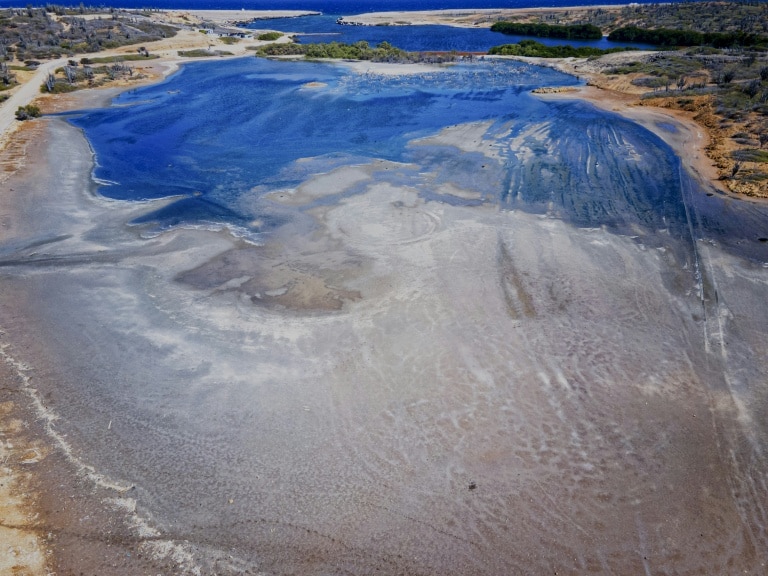
In a landmark environmental justice ruling, the Hague District Court declared Wednesday that the Netherlands has provided “insufficient” protection to its Caribbean territory of Bonaire against climate change impacts. The court found the Dutch government in violation of human rights by treating Bonaire’s 27,000 residents differently from citizens in the European Netherlands without justification.
The case was brought forward by Bonaire residents in collaboration with Greenpeace, demanding concrete measures to shield the low-lying island from rising sea levels and extreme weather events. The court ordered the Netherlands to establish binding interim targets for economy-wide greenhouse gas reductions within 18 months.
This ruling represents the first major test case of a state’s climate obligations following the International Court of Justice’s recent advisory opinion, which stated that violating climate commitments constitutes an unlawful act. The decision could set a globally significant precedent for climate litigation.
Greenpeace Netherlands director Marieke Vellekoop hailed the judgment as “groundbreaking” and “truly historic,” noting that Bonaire residents finally received recognition that the government has discriminated against them in climate protection measures.
Evidence presented during hearings revealed the sea could submerge up to one-fifth of Bonaire by century’s end, according to research from Amsterdam’s Vrije Universiteit. Residents testified about increasingly unbearable heat making traditional activities impossible in areas where they once worked, played, and fished.
The court emphasized that while European and Caribbean climates differ, this provides no justification for delayed or less systematic protection measures for Bonaire residents, who face more immediate and severe climate impacts. The ruling signals growing judicial recognition that major polluters bear responsibility for climate-related damages across vulnerable territories.