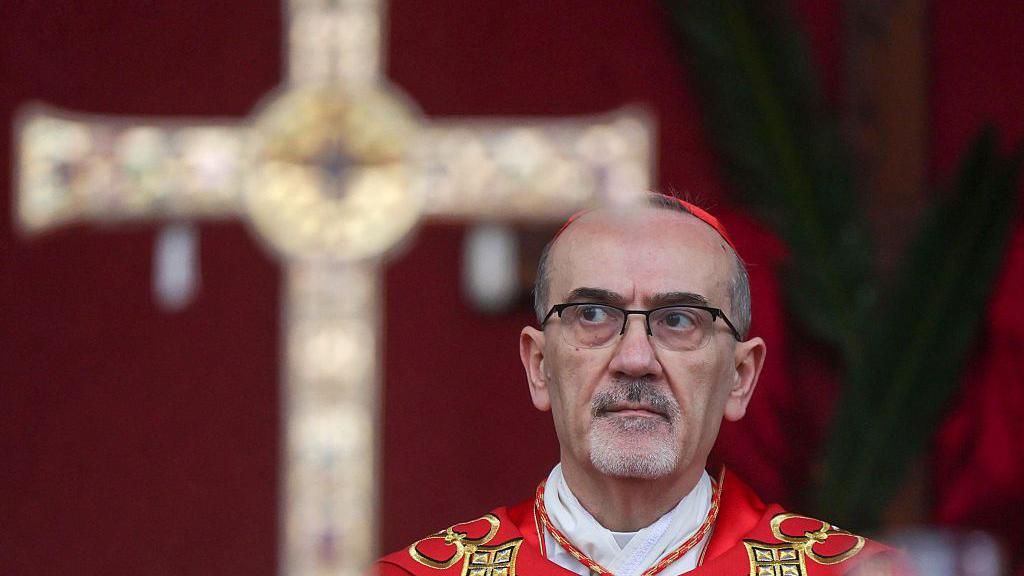
In a significant reversal, Israeli Prime Minister Benjamin Netanyahu has granted the Latin Patriarch of Jerusalem “full and immediate access” to the Church of the Holy Sepulchre following widespread condemnation of the initial decision to bar the cardinal from celebrating Palm Sunday Mass at Christianity’s most sacred site.
The controversy erupted when Israeli police prevented Cardinal Pierbattista Pizzaballa, head of the Catholic Church in the Holy Land, and Reverend Francesco Ielpo from entering the church to conduct a private ceremony marking the beginning of Holy Week. Church authorities described this as an unprecedented event, noting it was “the first time in centuries” a Latin Patriarch had been denied access on Palm Sunday.
Israeli officials defended the initial restriction as a security precaution amid ongoing regional tensions. Netanyahu stated that Iranian ballistic missiles had “repeatedly targeted” Jerusalem’s holy sites in recent days, with missile fragments landing mere meters from the Church of the Holy Sepulchre in one instance. The Prime Minister emphasized that police acted out of “special safety concerns” rather than “malicious intent.”
The decision provoked strong international criticism. U.S. Ambassador Mike Huckabee characterized the move as an “unfortunate overreach” that was “difficult to understand or justify.” Italian Prime Minister Giorgia Meloni condemned it as “an offence against every community that recognises religious freedom,” while French President Emmanuel Macron expressed concern about “the worrying increase in violations of the status of the Holy Places in Jerusalem.”
The Latin Patriarchate issued a statement calling the decision “a grave precedent” that disregarded “the sensibilities of billions of people around the world.” Cardinal Pizzaballa described the measure as “an extreme departure from basic principles of reasonableness, freedom of worship, and respect for the status quo,” while noting his office had followed all imposed restrictions since the conflict began.
Following Netanyahu’s intervention, Israeli authorities are now developing a plan to facilitate worship at the site during Holy Week while maintaining security protocols. The incident has highlighted the complex balance between security concerns and religious freedom in Jerusalem’s contested holy sites.