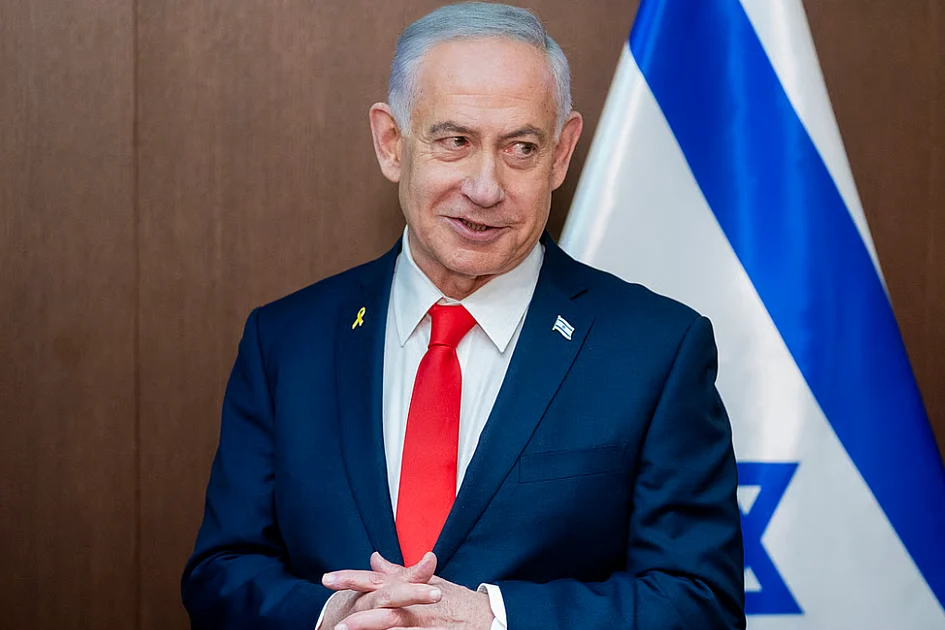
Israeli Prime Minister Benjamin Netanyahu has formally requested a presidential pardon from President Isaac Herzog, marking an unprecedented development in his protracted corruption trial. The embattled leader, who maintains his innocence against all charges of bribery, fraud, and breach of trust, argues that the legal proceedings impede his governance capabilities and that a pardon would serve Israel’s national interests.
Netanyahu’s legal team submitted the extraordinary request on Sunday, contending that the continuous court hearings—requiring his testimony three times weekly—create an unsustainable burden while attempting to lead the nation. The Prime Minister emphasized in a video statement released by his Likud party that he expects ‘anyone who wishes for the good of the country’ to support this exceptional appeal.
The request has ignited immediate political controversy. Opposition leader Yair Lapid declared that Netanyahu should not receive clemency without admitting guilt, expressing remorse, and retiring from political life. This position reflects Israel’s traditional practice of granting pardons only after legal proceedings conclude with convictions.
President Herzog’s office acknowledged the request as having ‘significant implications’ and stated it would be processed through standard channels, including review by the justice ministry’s pardons department and the president’s legal adviser. The development occurs amid international attention, with former U.S. President Donald Trump recently urging Herzog to consider a pardon, characterizing the case as ‘a political, unjustified prosecution.’
Netanyahu’s coalition allies, including National Security Minister Itamar Ben-Gvir and Finance Minister Bezalel Smotrich, have endorsed the pardon request. However, opposition figures like former military deputy chief Yair Golan have demanded the Prime Minister’s resignation instead of clemency.
The Prime Minister, Israel’s longest-serving leader, faces charges stemming from 2019 allegations that he granted favors to business figures in exchange for gifts and positive media coverage. His tenure has been marked by both significant security achievements—including operations against Hamas, Hezbollah, and Iran—and profound political polarization, with polls suggesting his right-wing coalition would struggle in upcoming 2026 elections.