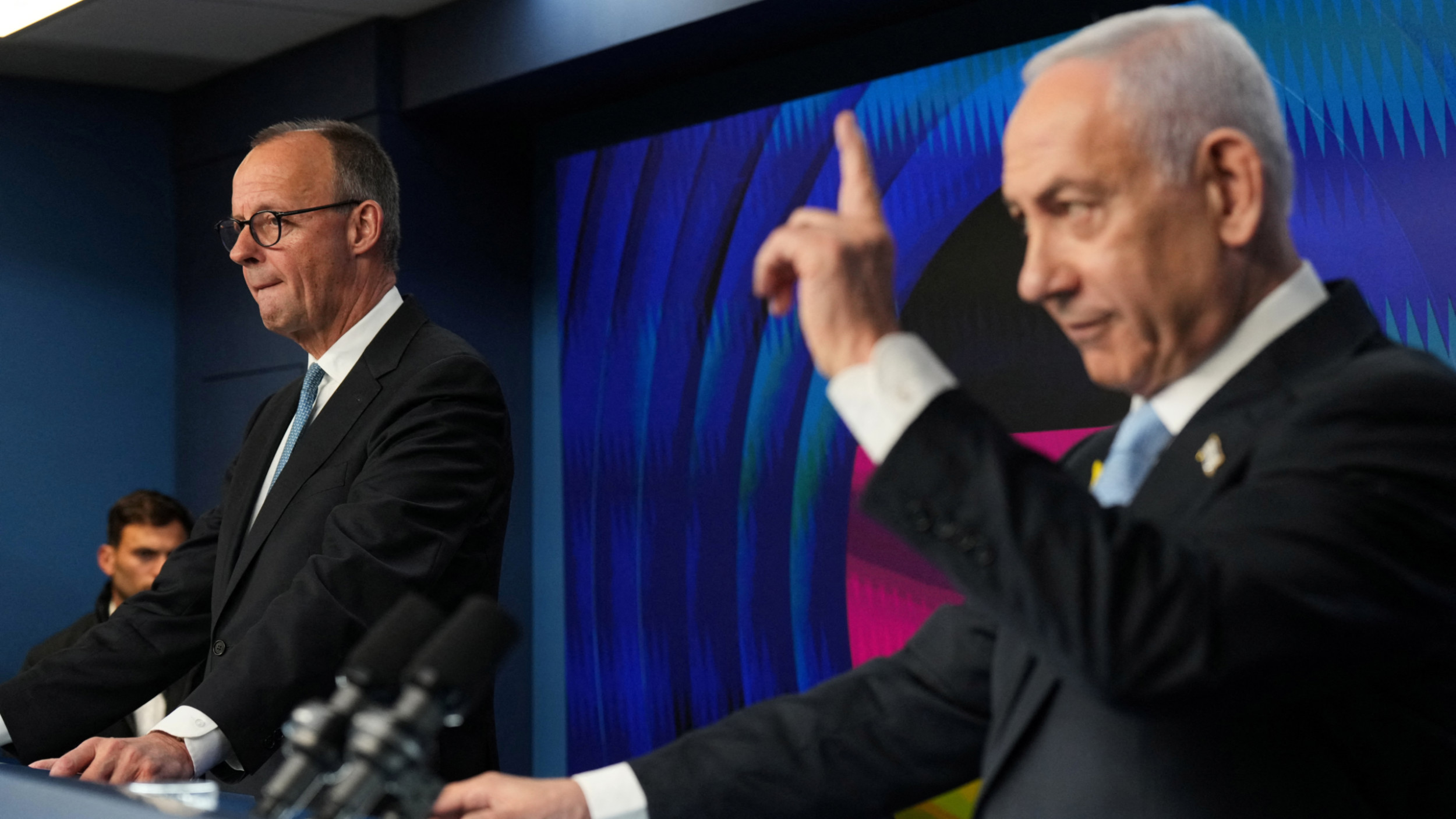
Israeli Prime Minister Benjamin Netanyahu has indicated that the implementation of the second phase of a US-backed proposal to conclude the Gaza conflict is nearing, though critical obstacles remain unresolved. Speaking at a joint press conference in Jerusalem with German Chancellor Friedrich Merz, Netanyahu emphasized that substantial discussions with US President Donald Trump scheduled for the end of this month would be pivotal for advancing the plan’s next stage.
The Prime Minister characterized the upcoming phase as inherently more challenging, acknowledging that while a tenuous ceasefire has reduced active combat since October 10th, persistent hostilities continue. Israeli military operations have reportedly resulted in over 373 fatalities and approximately 900 injuries due to hundreds of documented ceasefire violations.
Central to Netanyahu’s conditions for progression is Hamas’s compliance with both the ceasefire and its stipulated commitments under the agreement, which encompass full disarmament and the demilitarization of the Gaza Strip. The initial phase, which saw Israel maintain control over 53% of Gaza territory, concluded with the exchange of 47 captives—both living and deceased—though one Israeli police officer’s remains have not been recovered.
The envisioned second phase anticipates further Israeli military withdrawal concurrent with the establishment of a transitional governing authority in Gaza, the deployment of an international security force, and the initiation of reconstruction efforts. While a multinational coordination center has been set up in Israel, the absence of binding deadlines has resulted in stalled implementation, according to officials.
Netanyahu also revealed that his forthcoming dialogue with President Trump would explore broader regional peace opportunities, specifically referencing US-led initiatives to normalize relations between Israel and Arab and Muslim nations. He articulated a dual-path approach: pursuing comprehensive peace with Arab states while working toward a pragmatic arrangement with Palestinian neighbors, simultaneously reaffirming Israel’s intention to retain security control over the occupied West Bank.
The Prime Minister addressed the politically sensitive matter of West Bank annexation, confirming it remains under active consideration. This follows the Israeli parliament’s recent preliminary approval of legislation seeking to extend sovereignty to two West Bank settlements.
When questioned about potential retirement from politics should he receive a pardon in his ongoing corruption trial, Netanyahu offered a definitive denial. Last month, his legal team formally sought presidential clemency, arguing that the judicial proceedings impair his governance capabilities and that a pardon would serve the national interest.