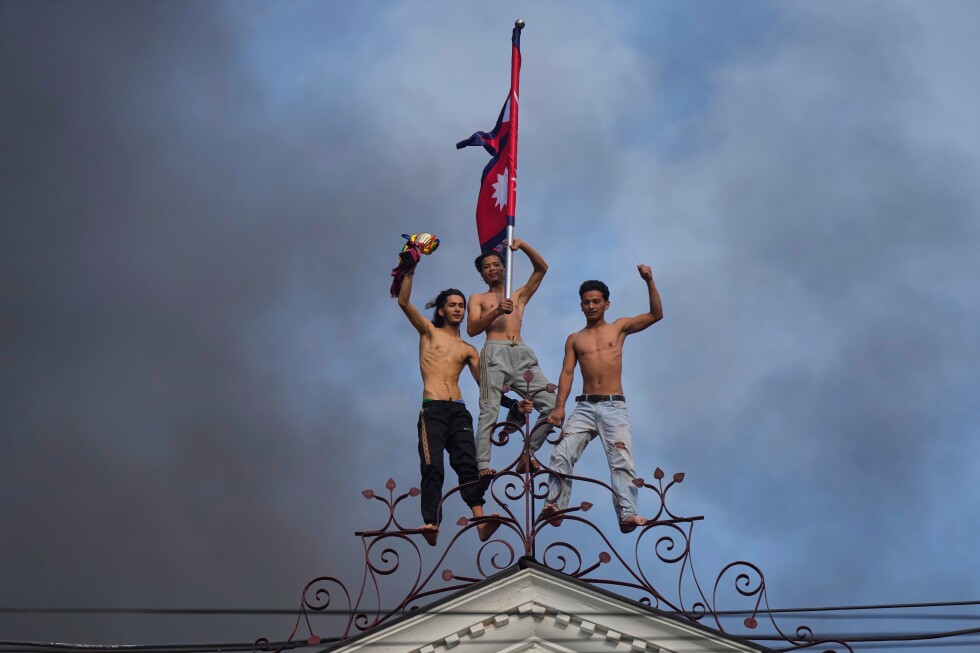
KATHMANDU, Nepal — Nepal stands at a pivotal political crossroads as millions of citizens prepare to participate in transformative parliamentary elections this Thursday. These landmark polls mark the first national vote since a massive youth-led uprising toppled the previous administration, signaling a profound shift in the Himalayan nation’s political landscape.
Security measures have been significantly enhanced nationwide, with authorities deploying thousands of temporary police officers alongside regular forces. Army troops, typically restricted to barracks, are now conducting street patrols and securing polling stations. The government has instituted a three-day public holiday to facilitate voter mobility, while educational institutions and public buildings have been repurposed as voting centers spanning from remote Himalayan villages to southern plains communities.
Youth voters are positioned to fundamentally reshape the electoral outcome, with over one million new registrants added since the 2022 national election. Many first-time voters participated in last year’s protests that ultimately unseated former Prime Minister Khadga Prasad Oli. Independent political analyst Bhojraj Pokharel, Nepal’s former chief election commissioner, notes: “This election represents a seismic shift in our electoral history—all political entities, both established and emerging, are prioritizing youth engagement.”
The electoral landscape reflects widespread public demand for change, with voters expressing frustration toward traditional political structures. Many cite governance failures and systemic corruption as primary concerns. Swastika Lamichane, a 28-year-old office worker, summarizes the prevailing sentiment: “Citizens seek primarily corruption containment and effective governance rather than extravagant promises.”
This election features a competitive three-way contest between the newly formed National Independent Party (established 2022) and the historically dominant Nepali Congress and Communist Party of Nepal (Unified Marxist–Leninist). The emerging party’s prime ministerial candidate, Balendra Shah—a rapper-turned-politician who gained prominence during the 2025 youth protests and later won Kathmandu’s mayoral race—has attracted substantial crowds during campaigning, particularly among younger demographics seeking alternatives to traditional politics.
Meanwhile, monarchist factions are anticipating potential parliamentary gains, citing perceived growing public sympathy for the former king. Thousands of monarchy supporters recently rallied around ex-king Gyanendra Shah, advocating his restoration as constitutional head of state and celebrating his symbolic role for Nepal’s Hindu majority. However, analysts suggest immediate royal restoration remains improbable due to limited broad-based support.
The incoming administration will confront formidable challenges including addressing protest-driven demands, combating entrenched corruption, and navigating delicate diplomatic relations with neighboring powers India and China. As Guna Raj Luitel, editor of prominent newspaper Nagarik, observes: “Public expectations substantially exceed available resources, presenting considerable difficulties for the new government in fulfilling aspirational objectives.”