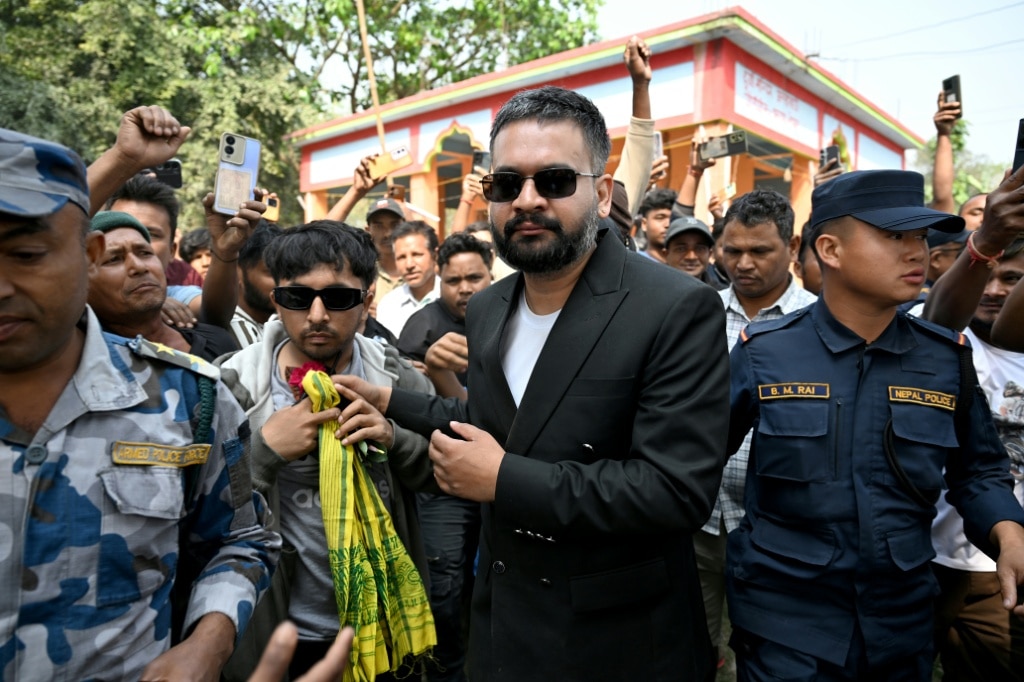
Nepal embarked on a pivotal democratic exercise Thursday as millions of citizens cast ballots in parliamentary elections that represent a fundamental test between established political forces and an emergent youth movement. This electoral confrontation, the first since September 2025’s deadly anti-corruption uprising that claimed 77 lives and toppled the government, has mobilized nearly 19 million eligible voters across the Himalayan nation.
The electoral landscape features three prominent figures vying for leadership: Marxist former Prime Minister KP Sharma Oli seeking political redemption, Balendra Shah—the rapper-turned-Kathmandu-mayor championing youth representation, and Gagan Thapa, the 49-year-old newly elected leader of the centrist Nepali Congress party promising generational change. Their competition reflects broader tensions between experienced politicians advocating stability and younger candidates demanding economic reform and accountability.
Security measures were extensively implemented with thousands of soldiers and police deployed at polling centers following Interim Prime Minister Sushila Karki’s appeal for citizens to vote ‘without any fear.’ The logistical complexity of conducting elections in the world’s most mountainous country required helicopter transport of voting materials to remote regions, including areas near Mount Everest.
Unlike previous elections focused primarily on the capital, political attention centered on the agricultural plains south of Kathmandu, particularly the Jhapa-5 constituency where Oli and Shah faced direct competition. With 3,400 candidates competing for 165 directly elected seats in the 275-member House of Representatives, election authorities anticipated results within 24 hours for direct contests, though proportional representation outcomes may require additional time.
Analysts project no single party will secure an outright majority, potentially necessitating extended coalition negotiations that could shape Nepal’s political trajectory for years to come. The election represents not merely a transfer of power but a referendum on governance itself, testing whether the energy that fueled September’s uprising can transform into sustainable political change.