The delicate diplomatic dance between Washington and Tehran has entered a dangerous new phase as naval power projections fundamentally reshape negotiation dynamics. Following the February 17 Geneva talks that established a two-week framework for Iranian proposals, both nations have dramatically escalated military posturing rather than pursuing diplomatic solutions.
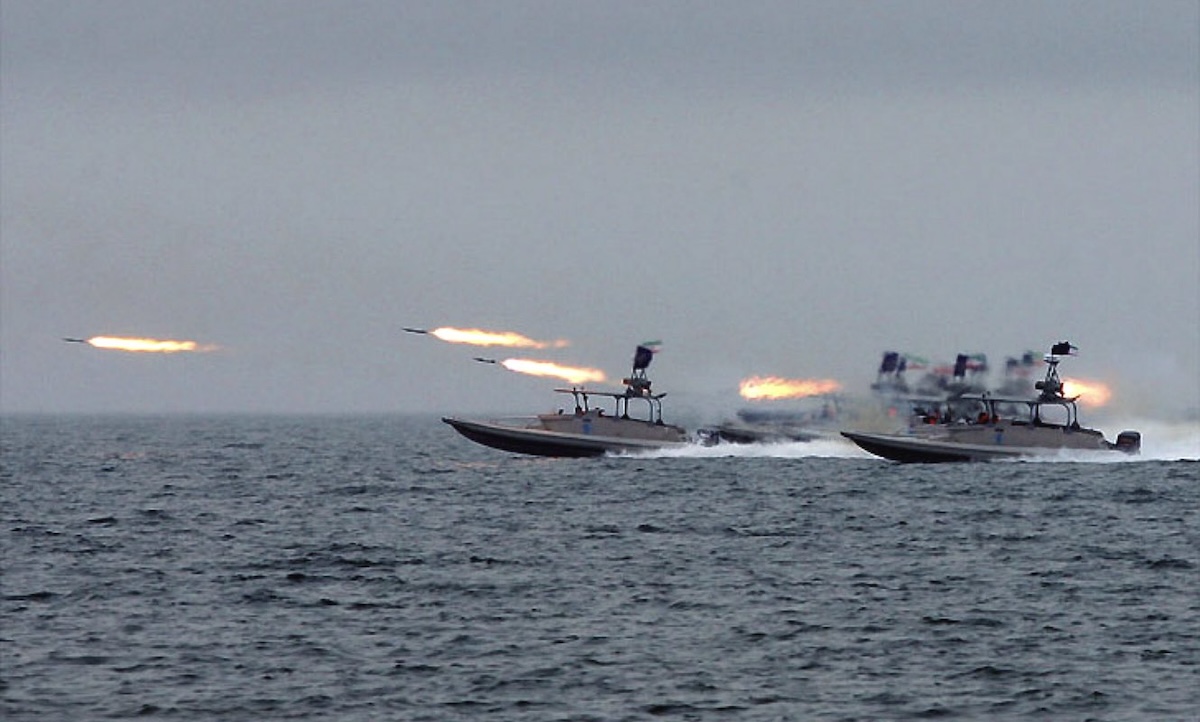
The strategic landscape has been transformed by the simultaneous convergence of three major naval developments: Iran’s joint exercises with Russian and Chinese forces, the Islamic Revolutionary Guard Corps’ unilateral drills temporarily closing the Strait of Hormuz, and the deployment of dual US aircraft carrier strike groups to the region.
At the heart of this escalation lies the Maritime Security Belt 2026 exercise, a four-day naval demonstration extending from the Strait of Hormuz into the northern Indian Ocean. Unlike Iran’s last-minute withdrawal from BRICS exercises in January, this drill features substantial participation from Russia’s advanced Marshal Shaposhnikov frigate and China’s guided-missile Tangshan destroyer, alongside nine observer nations including Qatar, UAE, and Pakistan.
The symbolism of these maneuvers transcends routine military exercises. The temporary closure of the Strait of Hormuz—through which passes 25% of global liquefied natural gas and 20% of crude oil exports—demonstrates Tehran’s capability to disrupt world energy markets. This calculated coercion occurs alongside US deployments of the USS Abraham Lincoln and USS Gerald R Ford carrier groups, representing classic American doctrine of overwhelming presence as deterrence.
This triangularization of the conflict through Russian and Chinese involvement fundamentally alters strategic calculations. For Moscow, joint drills signal relevance beyond Ukraine and complicate US force planning. Beijing’s participation underscores its interest in energy security and alternative security architectures that marginalize US primacy without direct confrontation.
The military posturing contradicts reported ‘cautious progress’ in nuclear negotiations, where discussions center on verification mechanisms and sanctions relief. Washington’s expanded demands—now including zero enrichment, surrender of uranium stockpiles, and curbs on missile development—are viewed by Tehran as regime-change objectives rather than negotiation points.
Regional powers have emerged as critical diplomatic brokers, with Oman mediating talks and regional states collectively pushing for de-escalation. This regionalization of diplomacy contrasts sharply with the globalization of military risk, where any miscalculation could trigger cascading effects through energy markets and great-power relations.
The fundamental paradox remains: military deployments intended to coerce compromise instead entrench resistance. As naval encirclement reinforces Iranian threat perceptions, and maximalist demands limit diplomatic flexibility, the window for sustainable agreement continues to narrow, potentially locking both sides into perpetual tension without war.