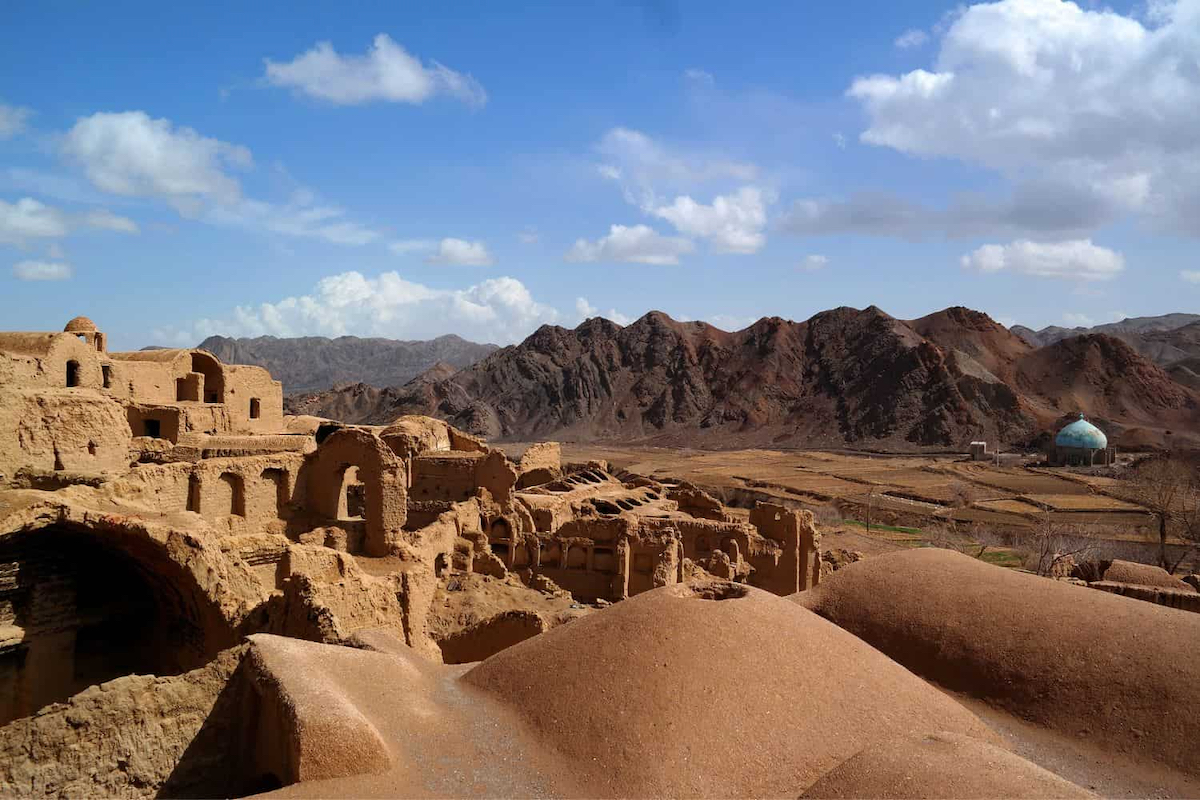
Iran’s formidable geography has long shaped its defensive strategy, with the mountainous Iranian Plateau creating a natural fortress against conventional invasion. The Zagros and Elburz mountain ranges provide exceptional protection, enabling Tehran to disperse military and nuclear infrastructure across vast territories with strategic depth. This topography facilitated the development of Iran’s Anti-Access/Area-Denial (A2/AD) doctrine, mirroring strategies employed by China in the South China Sea.
Recent military operations have tested Iran’s geographic advantages. Operation Epic Fury (US) and Operation Roaring Lion (Israel), launched on February 28, demonstrated that advanced precision technology could bypass traditional geographic protections. The utilization of B-2 bombers and Black Sparrow air-launched ballistic missiles damaged deeply buried facilities previously considered invulnerable, targeting over 1,000 sites including IRGC command centers and nuclear infrastructure within the first 24 hours.
Iran has responded with sophisticated maritime control strategies. Through its ‘Smart Control’ doctrine, Tehran maintains influence over the Strait of Hormuz using integrated systems including the Sayyad-3G air defense system, dual-role discriminatory drones, and distributed missile platforms. Despite naval losses, Iran has effectively implemented electronic warfare tactics, with over 1,100 vessels affected by GPS spoofing since March 1, creating economic pressure through targeted shipping disruptions.
The conflict’s geopolitical dimensions have expanded significantly. The death of Iran’s supreme leader on March 1 triggered succession uncertainties, temporarily fracturing decision-making processes. Meanwhile, the US strategic objective appears to have evolved from degrading nuclear capabilities toward regime change, potentially involving Kurdish opposition groups in coordinated ground operations. This escalation risks broader regional conflict and challenges the strategic interests of Iran’s partners in the Trilateral Strategic Pact with Russia and China, potentially threatening critical infrastructure projects including the International North-South Transport Corridor and Belt and Road Initiative.