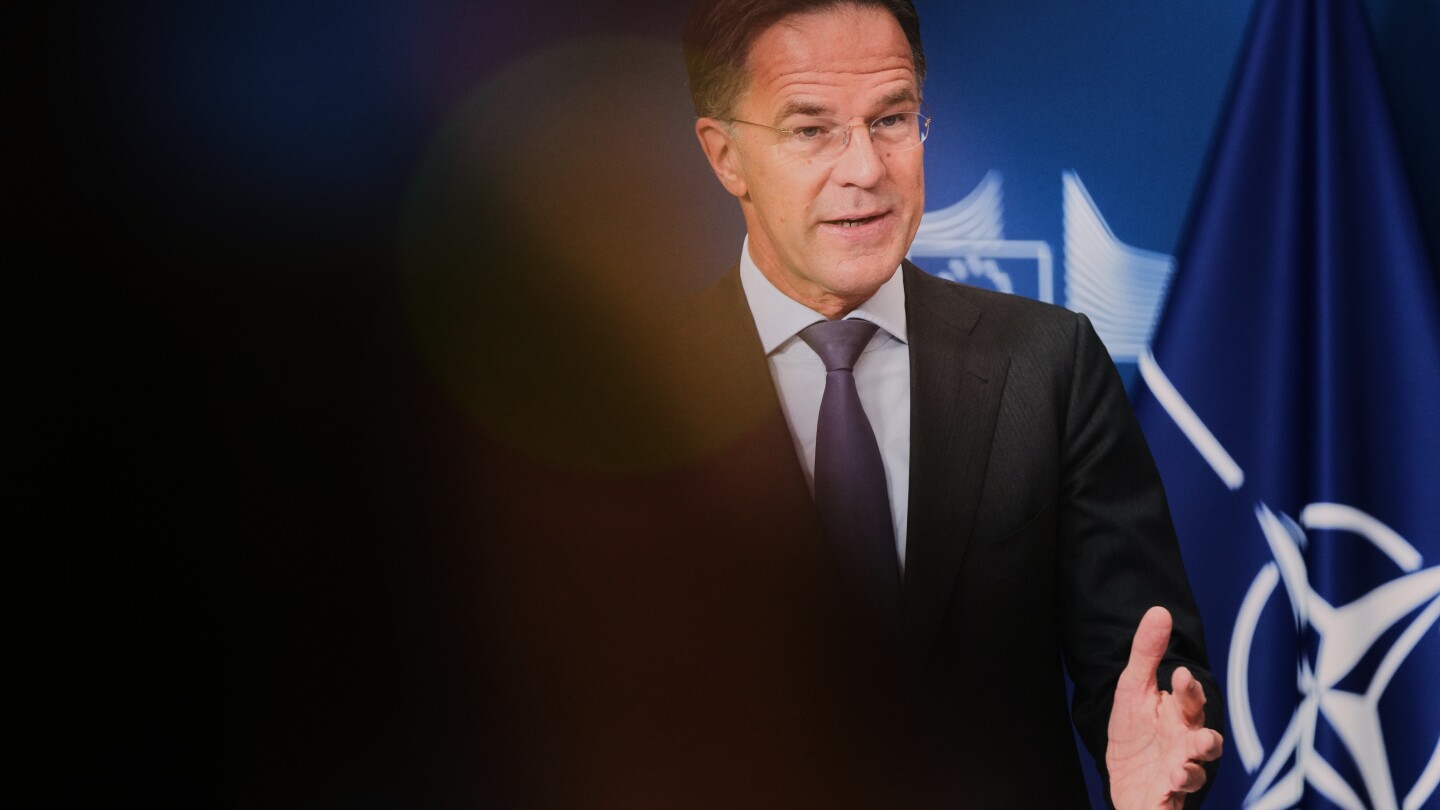
BRUSSELS (AP) — NATO defense ministers are set to gather on Wednesday to address the urgent need for increased military support for Ukraine, as weapon and ammunition deliveries to the war-torn nation have significantly declined in recent months. The meeting will also focus on a proposal from NATO’s commander to remove restrictions on the use of alliance aircraft and equipment, aiming to enhance the defense of NATO’s eastern border with Russia, Belarus, and Ukraine. This comes amid escalating concerns over a series of mysterious drone incidents and airspace violations by Russian warplanes, which some leaders interpret as President Vladimir Putin testing NATO’s defensive capabilities. Moscow has denied these allegations, dismissing claims of probing NATO’s defenses. Meanwhile, Russia’s ongoing conventional war against Ukraine has shifted focus to targeting the country’s power grid, leaving civilians vulnerable to harsh winter conditions. According to the Kiel Institute, Western military aid to Ukraine plummeted by 43% in July and August compared to the first half of the year, despite European allies purchasing American weapons under the Prioritized Ukraine Requirements List (PURL). Notably, countries like Denmark, the Netherlands, Norway, and Sweden have been actively contributing, while others, including Italy and Spain, have lagged behind. A senior NATO diplomat warned that if Ukraine falls, defense expenditures could far exceed NATO’s current target of 5% of GDP. The diplomat, speaking anonymously, highlighted economic challenges faced by some member states, with France opting to invest in Europe’s defense industry rather than participating in PURL. NATO’s efforts to bolster its eastern flank include the establishment of air defense operations like Eastern Sentry, following Russian drone incursions into Polish airspace. However, restrictions on the use of fighter jets and other equipment continue to hinder NATO’s effectiveness. U.S. Lt. Gen. Alex Grynkewich, NATO’s Supreme Allied Commander, is conducting a review of the alliance’s needs to address these challenges, with plans to present his findings to member countries early next year.
NATO seeks more arms for Ukraine as Western support fades and allied airspace concerns mount