In a decisive response to former President Donald Trump’s persistent threats of annexation, NATO and Greenland’s leadership have announced coordinated efforts to reinforce Arctic security arrangements. The autonomous Danish territory has firmly positioned its defense strategy within the NATO framework while explicitly rejecting any potential US takeover attempts.
Greenlandic Prime Minister Jens-Frederik Nielsen articulated the territory’s stance, emphasizing that “security and defense belong in NATO” and committing to develop Greenland’s military capabilities through close cooperation with the alliance and its member states, including the United States. This declaration follows Trump’s recent provocative statements suggesting the US would acquire Greenland “one way or the other.”
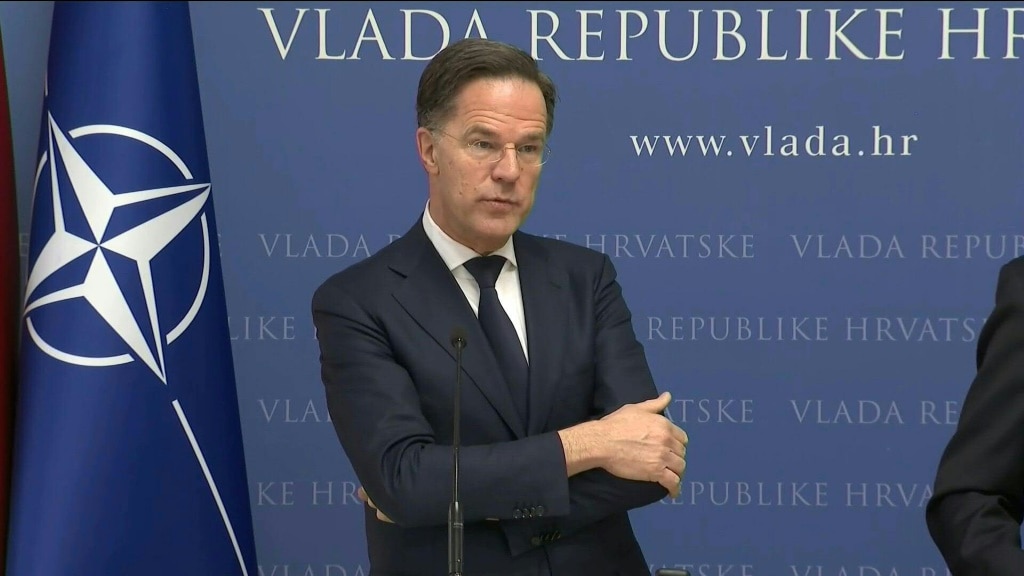
NATO Secretary General Mark Rutte confirmed the alliance is developing “next steps” to enhance Arctic security, with diplomatic sources indicating preliminary discussions about potential new regional missions, though no concrete proposals have been formally advanced.
The geopolitical significance of Greenland extends beyond strategic positioning to substantial economic considerations. The territory possesses vast untapped resources, including rare earth minerals critical for technology manufacturing, adding material incentive to strategic concerns.
Local sentiment in Nuuk, Greenland’s capital, reflects growing apprehension among residents. Theology student Nuunu Binzer expressed evolving concerns: “We laughed at Trump first when he tried to buy us but now the second time he’s more aggressive.” Another student, Mininnguaq Fontain, acknowledged the complicated reality: “I would rather see our country doesn’t have any soldiers but of course if we get attacked then I would feel more safe if soldiers are here.”
Denmark has responded with substantial financial commitments, allocating approximately 90 billion kroner ($14 billion) toward regional security in 2025. The Danish government maintains that any armed US action against Greenland would fundamentally undermine NATO’s foundation. Current agreements allow the United States to expand its military presence on the island through notification rather than negotiation, under terms established in a 1951 treaty updated in 2004.
Diplomatic efforts are intensifying, with Danish and Greenlandic representatives scheduled to meet US Secretary of State Marco Rubio in Washington this week. Denmark seeks to present a unified front with Greenland’s leadership before these critical discussions.
Historical context underscores the sensitivity of these developments: Greenland transitioned from Danish colony to home rule status in 1979 and continues to contemplate further autonomy. Current polling indicates overwhelming opposition among Greenland’s 57,000 residents to any form of US acquisition.