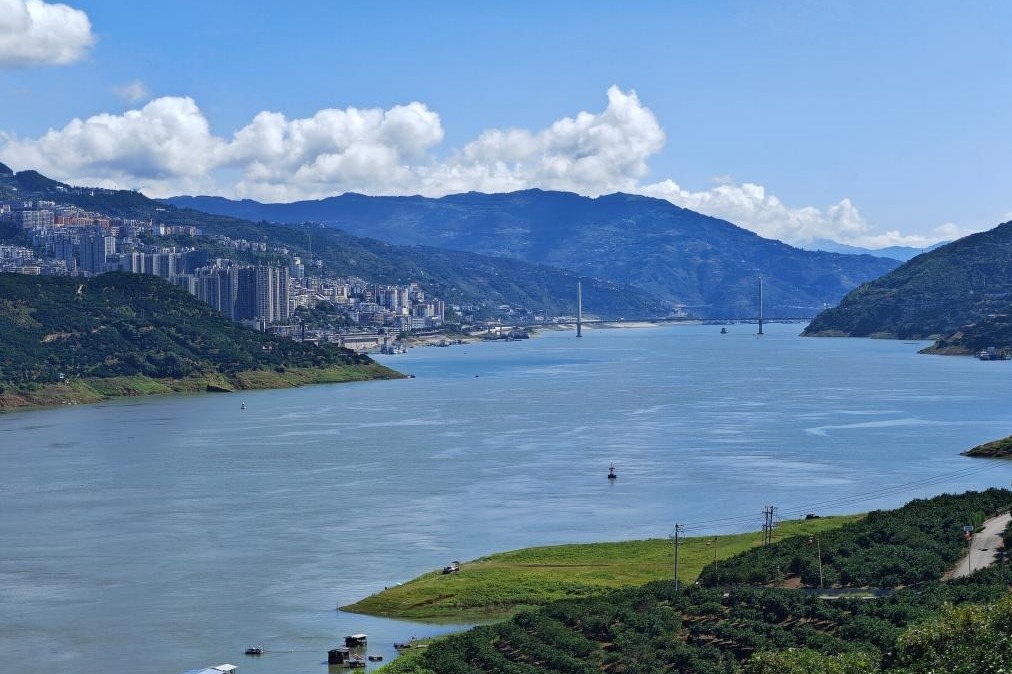
China’s environmental landscape has undergone a remarkable transformation over the past decade, evolving from severe pollution challenges to becoming a global leader in green development initiatives. This shift stems from President Xi Jinping’s consistent emphasis on maintaining ‘strategic resolve’ in building an ecological civilization, particularly highlighted during annual Two Sessions meetings with national lawmakers and political advisers.
The turning point came in 2014 when President Xi raised pointed questions about PM2.5 pollution levels for three consecutive days during the Two Sessions deliberations. At that time, images of smog-shrouded Chinese cities dominated international headlines, making air quality a subject of global concern. Today, the term PM2.5 appears far less frequently in public discourse as China’s air quality reached its best recorded level in 2025, with average PM2.5 concentrations dropping to 28 micrograms per cubic meter.
This environmental improvement represents more than just targeted pollution control—it signifies a fundamental philosophical shift in China’s development approach. Professor Christoph Nedopil Wang of Griffith University, specializing in Asia-Pacific green economic transitions, notes that China has moved from reactive pollution control to “a proactive, systemic economic transformation.”
President Xi’s consistent messaging during successive Two Sessions meetings has reinforced this transformation. In 2015, he declared that “protecting the environment is ensuring livelihood,” while in 2016 he advocated for environmental protection red lines. By 2018, he emphasized building a “Green Great Wall” along China’s northern borders.
The commitment reached its pinnacle in September 2020 when China announced its ambitious dual carbon goals: peaking carbon dioxide emissions before 2030 and achieving carbon neutrality before 2060. This marked Beijing’s first concrete timeline for net-zero emissions.
According to Wang Xiaoli, associate professor at the National Academy of Governance, green and low-carbon industries now account for over 18% of China’s GDP, with advanced manufacturing, green technologies, digital transformation, and AI emerging as new growth engines.
Institutional support has strengthened through the establishment of a new “environment and resources” sector within the Chinese People’s Political Consultative Conference in 2023, reflecting heightened priority on ecological protection in national policy planning.
As China enters its 15th Five-Year Plan (2026-30) period, international observers are closely watching for further policy signals regarding China’s green development. Key areas of interest include expanding the national carbon market to heavy industries, integrating AI into green manufacturing, and developing new incentives for transition finance. How China balances domestic carbon goals with its role as a leading exporter of green energy equipment amid rising trade tensions will be particularly scrutinized in the coming years.