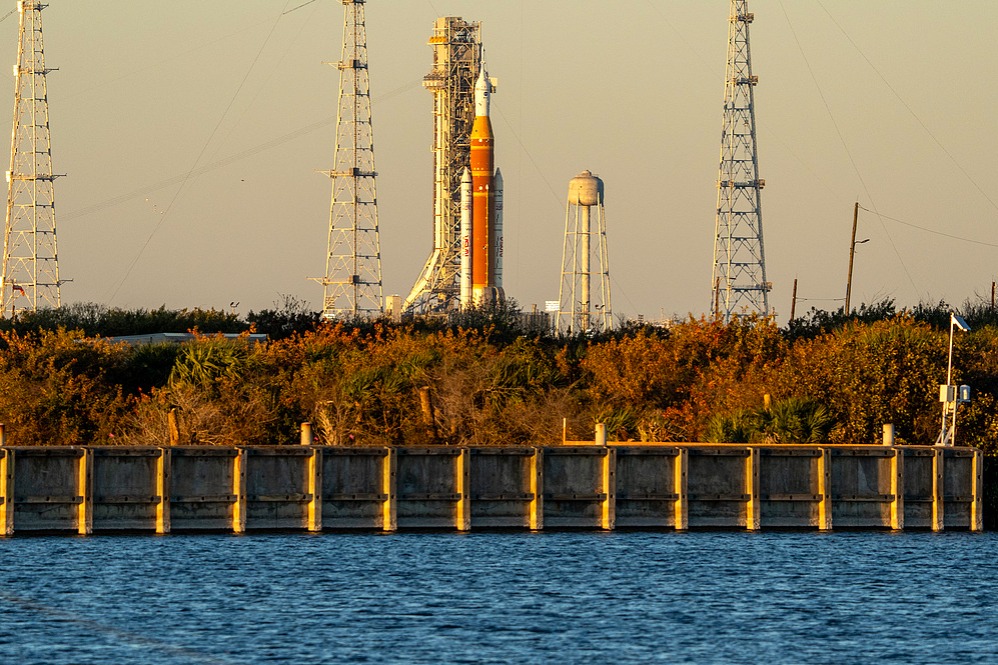
CAPE CANAVERAL, Florida — NASA has announced another significant postponement of its landmark Artemis II lunar mission, pushing humanity’s first crewed moon flight in over fifty years to April at the earliest. The decision comes after a critical technical malfunction emerged during testing operations on Saturday.
The setback occurred when engineers detected an unexpected interruption in the helium flow to the upper stage of the Space Launch System (SLS) rocket. This helium system plays a vital role in engine purging procedures and maintaining proper pressurization within the fuel tanks. The incident represents a fresh challenge distinct from previous hydrogen leakage issues that had already delayed the mission timeline.
NASA Administrator Jared Isaacman addressed the technical complications, indicating that the root cause likely involves malfunctioning components within the helium delivery system. Potential culprits include a compromised filter, defective valve, or faulty connection plate. Due to the inaccessible location of these components, the agency must return the 98-meter rocket to its protective hangar for comprehensive repairs and component replacement.
“We will initiate preparations for rollback operations, which effectively eliminates the March launch window from consideration,” Isaacman stated via social media platform X. The space agency now targets either early or late April for the next viable launch opportunity, pending successful resolution of the technical issues.
The administrator acknowledged public disappointment while emphasizing the profound frustration within NASA’s engineering teams. “I understand people are disappointed by this development,” Isaacman remarked. “That disappointment is felt most acutely by the dedicated NASA team members who have been working tirelessly to prepare for this monumental endeavor.”
The helium system anomaly emerged unexpectedly during routine post-testing procedures, requiring engineers to work through the night to assess the situation. Notably, the system had performed flawlessly during previous dress rehearsal exercises, making this development particularly surprising for mission planners.
This delay follows earlier complications with hydrogen fuel leaks that had already pushed the Artemis II mission timeline back by approximately one month. NASA had successfully addressed those issues during a second fueling test last Thursday, which showed minimal leakage and had initially restored confidence in a March launch timeframe.