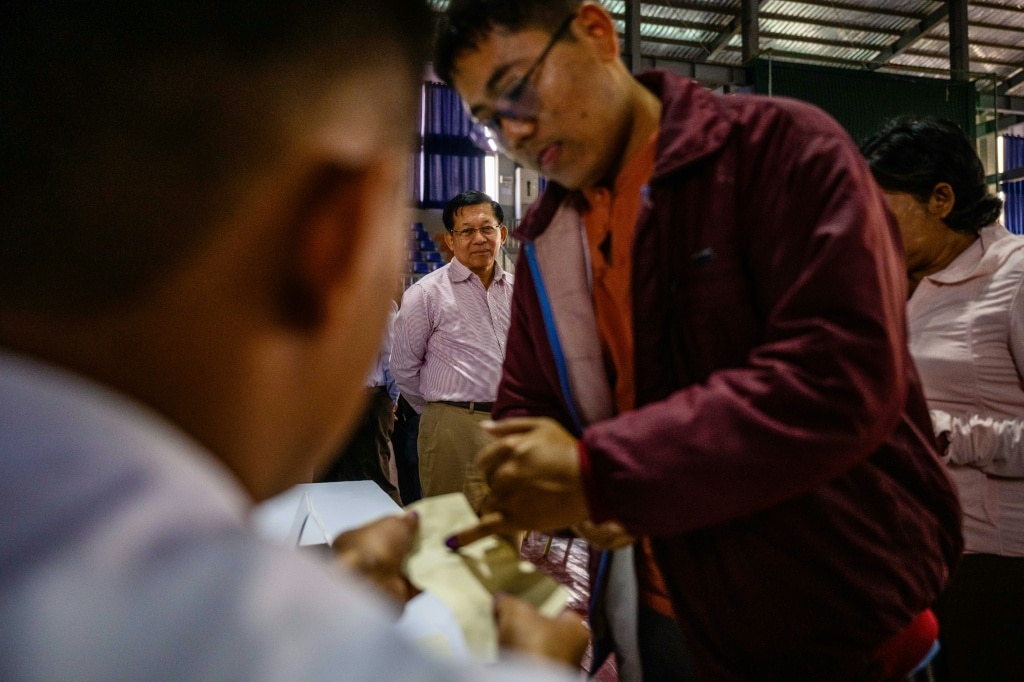
Myanmar’s parliamentary chambers are preparing to reconvene this week for the first assembly since the military seized power five years ago, marking a significant political transition entirely orchestrated by the ruling junta. The legislative body will be overwhelmingly composed of military-aligned representatives following a carefully managed electoral process conducted under martial authority.
The Union Solidarity and Development Party (USDP), established by former military officials and staffed predominantly by retired officers, secured approximately 80 percent of contested seats in the December-January phased elections. The remaining quarter of parliamentary positions are constitutionally reserved for active-duty military personnel, ensuring consolidated junta influence over all legislative proceedings.
This political restructuring follows the military’s dismissal of the 2020 general election results, which had delivered a decisive victory to Aung San Suu Kyi’s democratic movement. The subsequent coup d’état triggered widespread civil conflict that continues to destabilize the nation. Notably, the recent electoral process excluded substantial regions under rebel control and prohibited any criticism of the voting procedures, according to international democracy monitoring organizations.
Analysts characterize the newly formed parliament as essentially a proxy institution designed to provide superficial legitimacy to military rule. Junta leader Min Aung Hlaing is widely anticipated to potentially transition from military commander to civilian president when the new government assumes power next month. The presidential selection will be determined through a parliamentary vote dominated by military-affiliated representatives.
United Nations human rights expert Tom Andrews recently described the emerging political structure as ‘a military junta in civilian clothing,’ emphasizing that despite the parliamentary facade, ultimate authority would remain firmly with military leadership. The 2008 military-drafted constitution continues to provide the armed forces with entrenched political control, including key cabinet positions and guaranteed parliamentary representation.