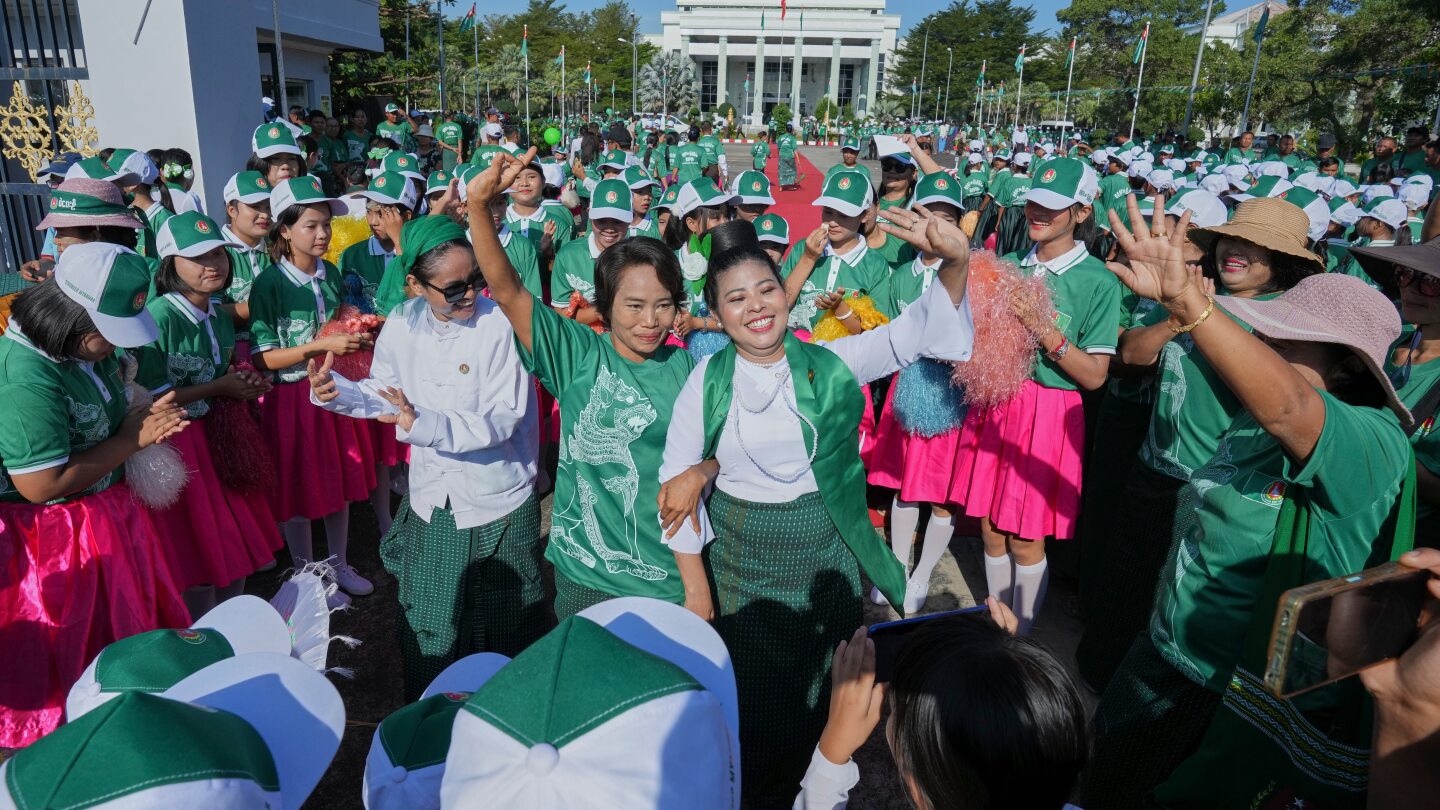
BANGKOK — Myanmar’s military junta proceeds with phased parliamentary elections beginning Sunday, marking the country’s first electoral exercise since the 2021 coup d’état. The voting process, structured across three distinct phases through January 25, faces widespread international condemnation and domestic opposition as analysts characterize it as a calculated maneuver to cement military dominance under a civilian facade.
The electoral framework systematically excludes major opposition forces, including Aung San Suu Kyi’s dissolved National League for Democracy (NLD), which secured a landslide victory in the 2020 polls. With Suu Kyi serving a 27-year prison sentence on politically motivated charges and her party outlawed, the military-backed Union Solidarity and Development Party (USDP) stands positioned to dominate the proceedings.
Independent monitoring organizations and human rights advocates uniformly dismiss the electoral process as neither free nor fair. Richard Horsey, Myanmar analyst at the International Crisis Group, stated unequivocally to AP: “These elections are not credible at all. They do not include any of the political parties that performed strongly in previous elections.”
The military administration has implemented severe restrictions through recently enacted legislation that criminalizes criticism of the electoral process, resulting in over 200 individuals facing charges for leafleting or online activism in recent months. Voting will not occur in 65 townships due to ongoing armed conflict between military forces and ethnic resistance groups.
International response remains divided, with Western nations maintaining sanctions while regional neighbors including China, India and Thailand may use the elections to justify continued engagement. The United Nations Human Rights Office reports “intensified violence, repression, and intimidation” ahead of the polls, noting that civilians face threats from both military authorities and armed opposition groups regarding participation.
The humanitarian situation continues deteriorating, with independent monitors documenting over 7,600 civilian deaths and more than 22,000 political detainees since the coup. The conflict has created 3.6 million internally displaced persons, representing one of Southeast Asia’s most severe humanitarian crises.
Analysts anticipate increased post-election violence as opposition forces seek to demonstrate the military’s lack of popular legitimacy, suggesting the polls will ultimately exacerbate rather than resolve Myanmar’s political crisis.