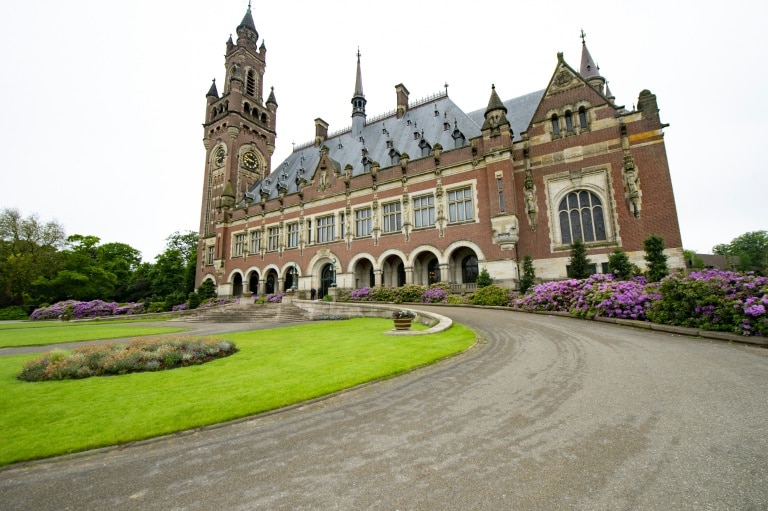
Myanmar has formally rejected accusations of genocide against its Rohingya minority at the International Court of Justice (ICJ), labeling the claims as “unsubstantiated” and defending its 2017 military operations as necessary counter-terrorism measures. The case, initiated by The Gambia under the 1948 UN Genocide Convention, represents a critical legal challenge to Myanmar’s actions in Rakhine State.
Ko Ko Hlaing, a minister in Myanmar’s presidential office, addressed the UN’s highest court in The Hague, arguing that the case must be decided on “proven facts” rather than emotional allegations. He asserted that Myanmar’s armed forces, the Tatmadaw, conducted “clearance operations” in response to coordinated attacks by Rohingya insurgents that killed security personnel, justifying the military response as legitimate national defense.
The proceedings come after The Gambia’s legal team presented extensive evidence alleging systematic atrocities, including mass rape, indiscriminate killings, and torture, claiming these actions demonstrated “genocidal intent” against the Rohingya population. Approximately 1.17 million Rohingya refugees now reside in overcrowded camps in Bangladesh’s Cox’s Bazar district after fleeing the violence.
While Myanmar expressed commitment to repatriating refugees from Bangladesh, the ICJ’s final ruling may take years. Although the court lacks enforcement mechanisms, a finding against Myanmar would carry significant political consequences and potentially establish legal precedents affecting other international cases, including those against Israel in Gaza.
Parallel investigations into alleged Rohingya persecution are underway at the International Criminal Court and in Argentina under universal jurisdiction principles. The ICJ hearings conclude on January 29, after which judges will review victim testimony in closed sessions before deliberating on this landmark international law case.