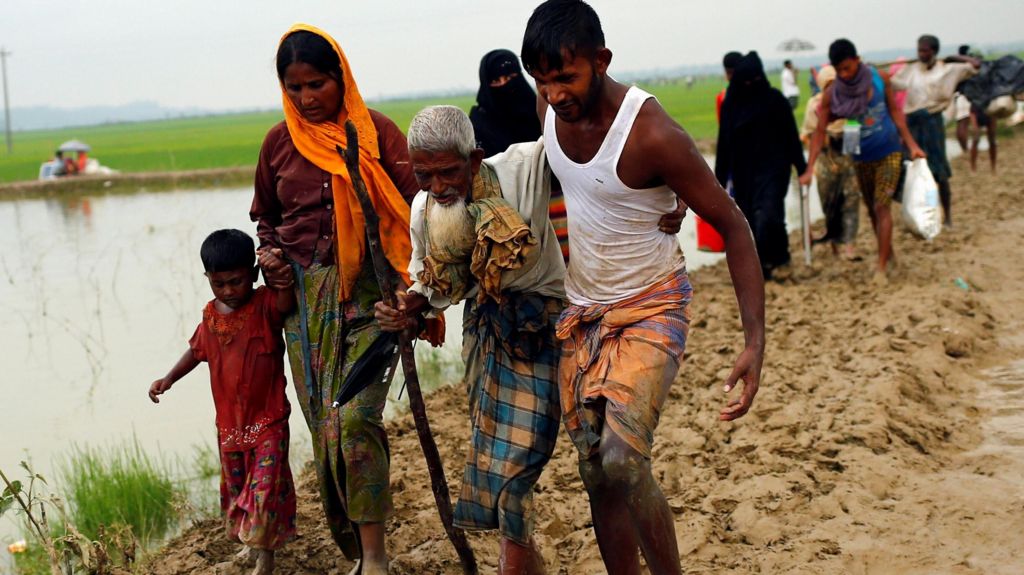
In a landmark legal confrontation at the International Court of Justice (ICJ), Myanmar has vigorously refuted accusations of genocide against the Rohingya minority, asserting that The Gambia’s case lacks substantiating evidence. Government representative Ko Ko Hlaing defended Myanmar’s military operations in Rakhine State as necessary counter-insurgency measures against terrorist threats, rejecting characterization as ethnic cleansing.
The legal proceedings, initiated by The Gambia in 2019 with backing from the 57-nation Organisation of Islamic Cooperation, center on alleged violations of the 1948 UN Genocide Convention. Gambian Foreign Minister Dawda Jallow previously argued that Myanmar implemented ‘genocidal policies’ intended to erase the Muslim minority, citing systematic persecution, village destruction, and mass casualties during the 2017 military crackdown that forced over 700,000 refugees into Bangladesh.
Myanmar’s defense acknowledged the humanitarian consequences but maintained that operational necessities justified the clearance campaigns. Hlaing emphasized Myanmar’s commitment to repatriating Rohingya from overcrowded Bangladeshi camps while blaming external factors like COVID-19 for delayed progress. He warned that a genocide ruling would inflict permanent damage to Myanmar’s international standing.
The case represents the first major genocide hearing at the ICJ in over a decade and is anticipated to establish precedent for ongoing cases, including South Africa’s proceedings against Israel regarding Gaza. Closed sessions featuring testimony from Rohingya survivors will precede a final ruling expected in late 2026. The outcome will refine legal interpretations of genocidal intent under international law.