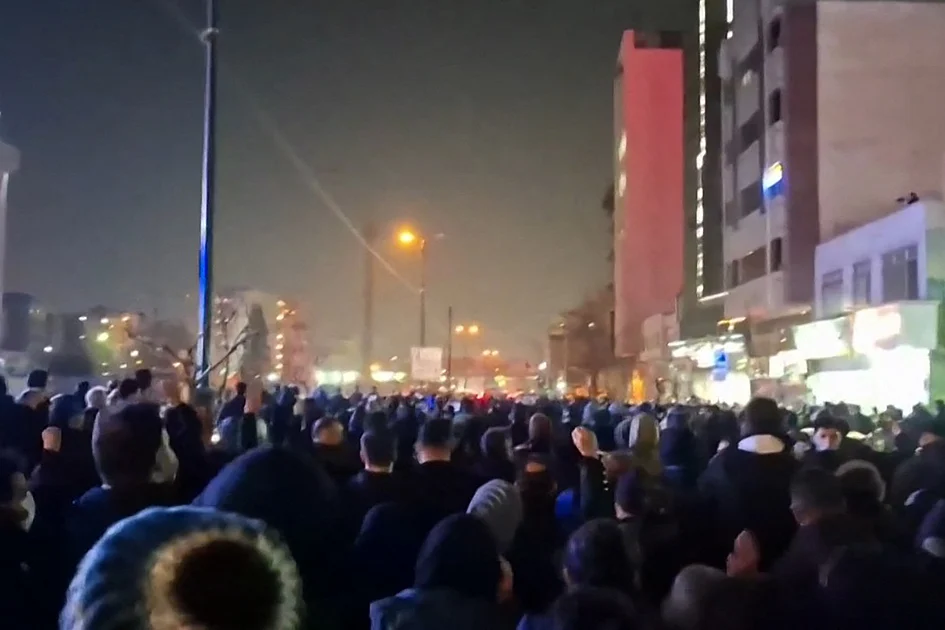
Survivors of Iran’s violent suppression of nationwide protests have begun sharing harrowing accounts of state-sponsored brutality, describing scenes resembling war zones amid a complete information blackout imposed by authorities. The testimonies emerge as international organizations struggle to document the full extent of casualties, with estimates ranging from several thousand to potentially tens of thousands dead.
Kiarash, a 44-year-old witness who spoke from Germany after visiting Tehran, described experiencing near-fatal encounters with government forces. ‘One move in the wrong direction and I would have been dead,’ he recounted, detailing how a shooter concealed in traditional chador garments opened fire on crowds in northern Tehran on January 10. The streets, he testified, ran with blood as multiple protesters collapsed simultaneously under gunfire.
The violence followed economic protests that dramatically escalated on January 8, prompting authorities to implement a comprehensive internet shutdown that continues to hamper independent verification of events. Norway-based Iran Human Rights (IHR) has verified 3,428 protestor deaths but warns the actual toll could be substantially higher, with some sources suggesting numbers reaching 20,000.
Eyewitness accounts describe horrific scenes at medical and burial facilities. Kiarash reported visiting Behesht-e Zahrah cemetery where warehouses overflowed with black body bags stacked two or three high, estimating between 1,500 to 2,500 casualties in a single facility. Grieving families struggled to identify loved ones, with one theater actor reportedly identified only through his tattoos after being shot in the head.
Despite the communication blackout, videos have emerged showing extensive demonstrations with participants chanting against Supreme Leader Ayatollah Ali Khamenei and calling for monarchy restoration. The footage, geolocated to various cities including Kermanshah, captures what appears to be automatic weapon fire and shows police vehicles and mosques in flames.
International response has intensified with the United States expressing support for ‘the brave people of Iran’ while Canada confirmed a citizen killed and France reported a French-Iranian woman injured. Iranian authorities maintain they confronted ‘riots’ and ‘terrorist operations’ fueled by the United States and Israel, claiming only ‘hundreds’ died while showcasing pro-government demonstrations on state media.
For those who witnessed the violence, the psychological impact remains profound. ‘This is my nightmare right now,’ Kiarash stated, capturing the trauma experienced by countless Iranians who now navigate a transformed reality where normalcy has been irrevocably shattered.