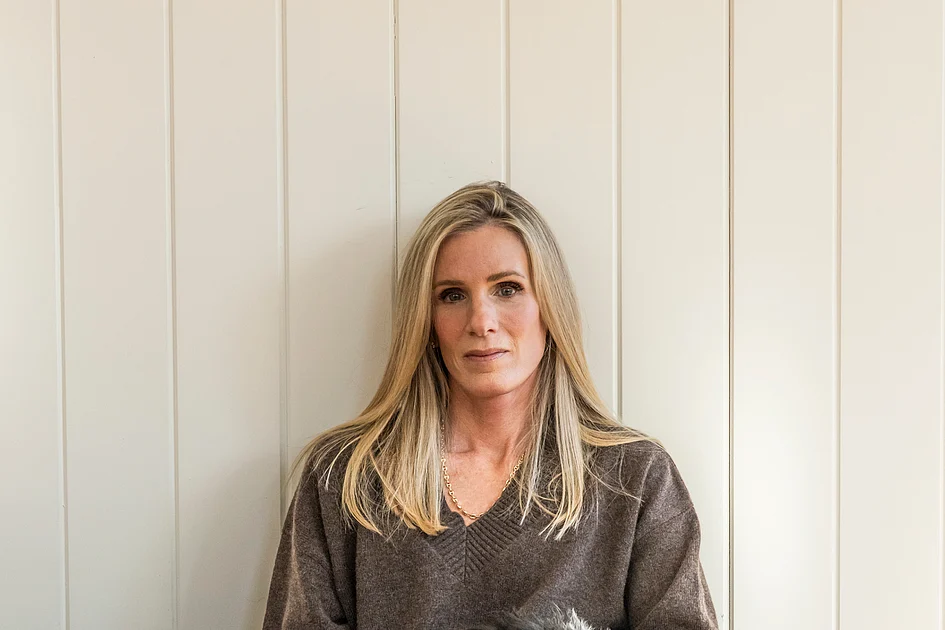
In an exclusive first interview, Kristin Cabot has broken her five-month silence regarding the viral incident that transformed her life into a global spectacle. The former Astronomer HR executive detailed the profound personal consequences stemming from a momentary lapse in judgment at a Coldplay concert in July 2025, when she was captured on the Jumbotron sharing an intimate moment with her then-CEO, Andy Byron.
The encounter, immortalized in a TikTok video that amassed 100 million views within days, triggered what would become known as #coldplaygate—a digital firestorm that brought Cabot’s professional and personal life to a devastating halt. Beyond the public humiliation, Cabot faced severe real-world repercussions: relentless doxxing that flooded her phone with hundreds of daily calls, death threats referencing her daily routines, and paparazzi stationed outside her New Hampshire home.
Cabot revealed the profound impact on her family, particularly her two teenage children who feared for their safety. ‘My kids were afraid that I was going to die and they were going to die,’ she recounted, describing how the family became apprehensive about public spaces. The emotional toll manifested in her daughter’s tears upon learning of the incident and her son’s embarrassment during confrontations with strangers.
Contrary to widespread speculation, Cabot maintains that her relationship with Byron was not sexual. ‘I made a bad decision and had a couple of High Noons and danced and acted inappropriately with my boss,’ she stated. ‘That night was the first and only time we kissed.’ Both executives immediately reported the incident to Astronomer’s board, with Byron resigning days later. Though the company offered to reinstate Cabot, she negotiated her resignation, recognizing the impossibility of maintaining her HR leadership role amid the scandal.
The phenomenon attracted commentary from celebrities including Gwyneth Paltrow and Whoopi Goldberg, while internet culture expert Professor Brooke Duffy of Cornell University contextualized the incident within historical patterns of public shaming and gendered criticism. Cabot expressed particular disappointment in female critics who engaged in bullying, noting that ‘we are holding ourselves back tremendously by cutting each other down.’
After months of therapy for her family and personal reflection, Cabot has emerged with a renewed perspective on accountability, public shaming, and redemption. While acknowledging her professional misjudgment, she questions whether a single mistake should warrant global humiliation and threats of violence. As she contemplates returning to work, Cabot faces the enduring challenge of reputational repair in an era where digital footprints are permanent and public forgiveness is scarce.