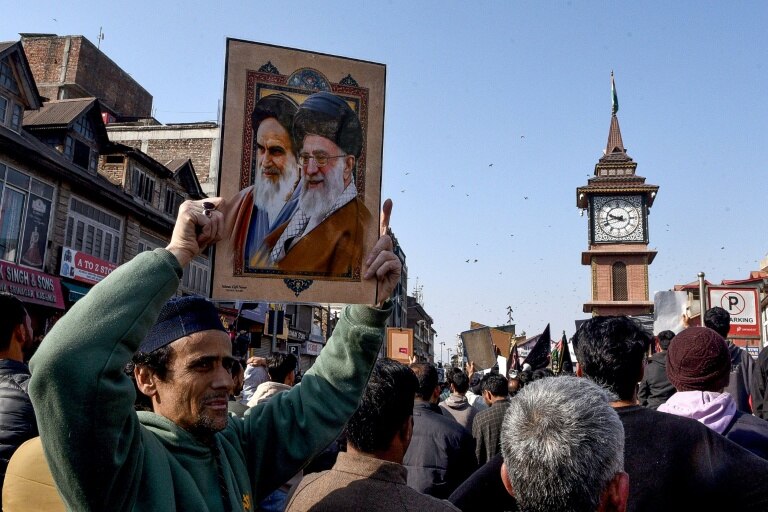
The global geopolitical landscape was jolted by the confirmed death of Iran’s Supreme Leader, Ayatollah Ali Khamenei, following a targeted US-Israeli military operation against the Islamic Republic. The event has triggered a complex and volatile array of international and domestic reactions, ranging from overt jubilation to profound mourning and vows of severe retaliation.
Within Tehran, the atmosphere was starkly divided. Verified footage and eyewitness accounts documented spontaneous public celebrations, with citizens setting off fireworks and broadcasting music in a rare display of collective relief. Conversely, state-sanctioned mourners, clad in black and brandishing Iranian flags alongside portraits of the late leader, congregated in Enghelab Square, vociferously chanting anti-American and anti-Israeli slogans. The Iranian government promptly declared a 40-day national mourning period and seven public holidays.
In a formal statement, Iran’s President Masoud Pezeshkian condemned the strike as a ‘declaration of war against Muslims’ and asserted the nation’s ‘legitimate duty and right’ to exact revenge. This pledge was immediately echoed by the powerful Revolutionary Guards, who vowed to punish the ‘murderers.’
The international community responded with deeply polarized positions. Key ally Russian President Vladimir Putin denounced the killing as a ‘cynical violation of all norms of human morality and international law,’ extending his official condolences. Conversely, US President Donald Trump, who announced the operation, labeled Khamenei ‘one of the most evil people in History’ and framed his death as an opportunity for Iranians to ‘take back their country.’ Israeli Prime Minister Benjamin Netanyahu similarly urged citizens to ‘overthrow the regime,’ characterizing the Supreme Leader as a ‘cruel tyrant.’
Support from Iran’s network of regional proxies was swift. Hamas praised Khamenei’s unwavering support for the Palestinian cause, while Hezbollah’s leadership in Lebanon vowed to confront the aggression. The fallout escalated into deadly protests, with at least nine fatalities reported as pro-Iranian demonstrators attempted to storm the US consulate in Karachi, Pakistan. Simultaneously, in a symbolic gesture, jubilant Iranian diaspora communities in cities like Los Angeles took to the streets waving pre-revolutionary flags and expressing hope for a ‘Free Iran.’ Western officials, including those from the UK and Australia, expressed little sympathy, stating that ‘few people will mourn’ a leader they held responsible for regional destabilization and domestic oppression.