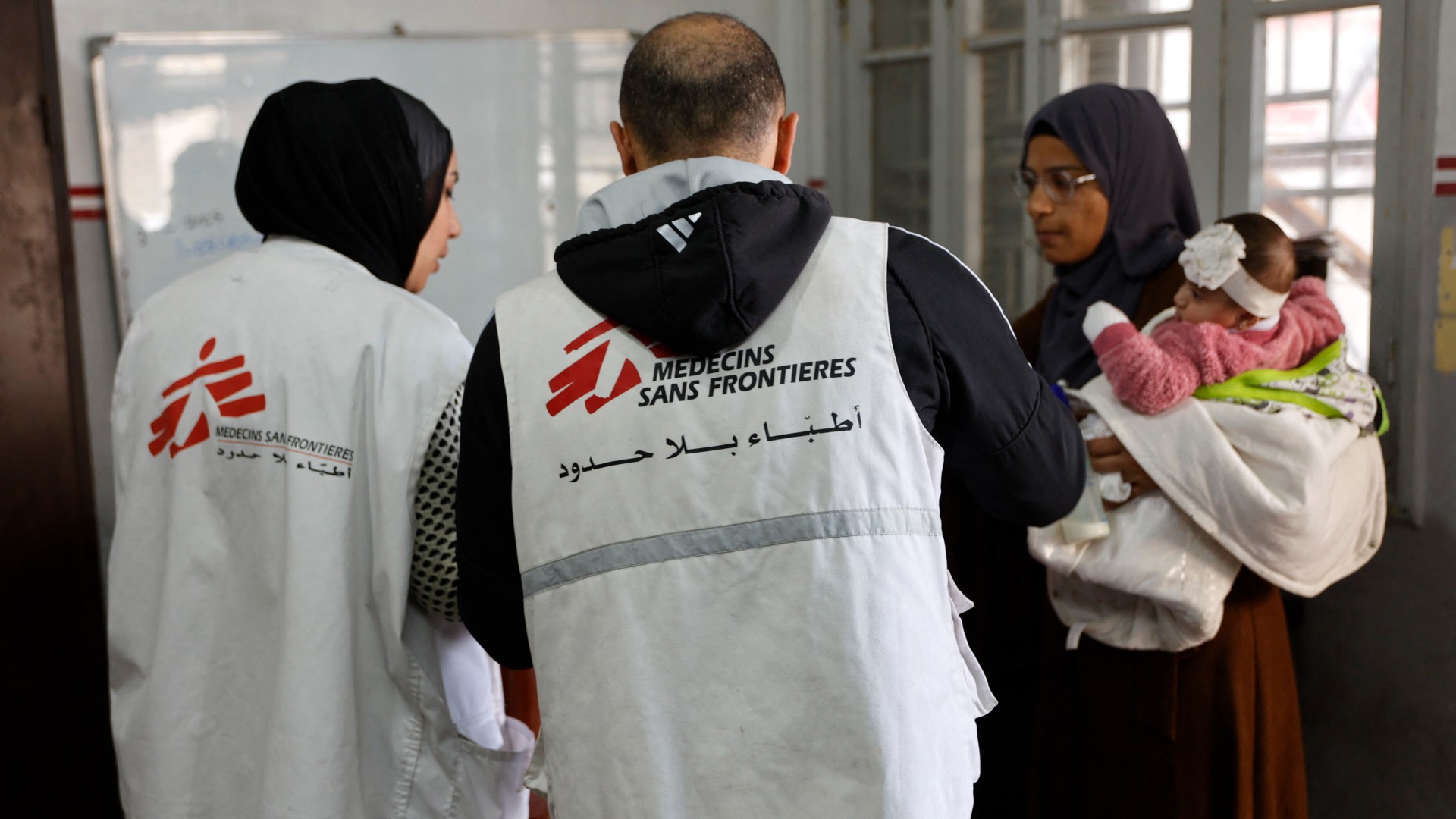
In a significant stand against Israeli regulatory demands, Médecins Sans Frontières (MSF) has declared it will not provide lists containing personal information of its Palestinian and international staff to Israeli authorities. This decision follows failed negotiations to obtain essential guarantees regarding staff safety and the organization’s operational independence.
The confrontation stems from a 2023 Israeli government mandate requiring non-governmental organizations operating in occupied Palestinian territories to submit detailed staff information as part of their registration process. On December 30, MSF was among 37 NGOs notified that their registrations would expire the following day, initiating a two-month countdown to potential operational cessation in Gaza, the West Bank, and East Jerusalem.
Israel’s Ministry of Diaspora Affairs justified the suspension by citing organizations’ failure to meet ‘security and transparency requirements,’ specifically targeting those refusing to provide Palestinian staff lists to ‘rule out any links to terrorism.’
MSF revealed that on January 23, it had conditionally offered to share a limited staff list as an exceptional measure, contingent upon receiving concrete safety guarantees developed through consultation with Palestinian colleagues. The organization emphasized that no information would be shared without individual consent.
However, negotiations collapsed when Israeli authorities failed to provide assurances that: staff information would be used solely for administrative purposes; MSF would maintain control over human resources and medical supply management; and Israeli officials would cease defamatory communications undermining the organization’s work.
The humanitarian crisis amplifies the stakes of this standoff. Since October 2023, over 71,000 Palestinians have been killed according to figures recently acknowledged by the Israeli military, including more than 1,700 healthcare workers—fifteen of whom were MSF staff members.
MSF warned that expulsion would have ‘devastating impact’ on Palestinians facing winter conditions without adequate shelter, food, water, or functional healthcare systems. The organization provided 800,000 medical consultations last year, supporting one-third of all births and one-fifth of hospital beds in the region.
The dispute has drawn international concern, with eight Muslim-majority nations and dozens of NGOs urging Israel to ensure unimpeded humanitarian operations. Critics argue the registration measures establish dangerous precedents for Israeli control over humanitarian work in occupied territories, contravening international legal frameworks.