Australian mortgage holders face the prospect of intensified financial strain as monetary markets project a potential return to 17-year peak interest rates. Financial analysts now forecast that the Reserve Bank of Australia (RBA) may implement three additional 25-basis-point increases before year-end, potentially elevating the cash rate to 4.85%—a threshold unseen since November 2008 during the global financial crisis.
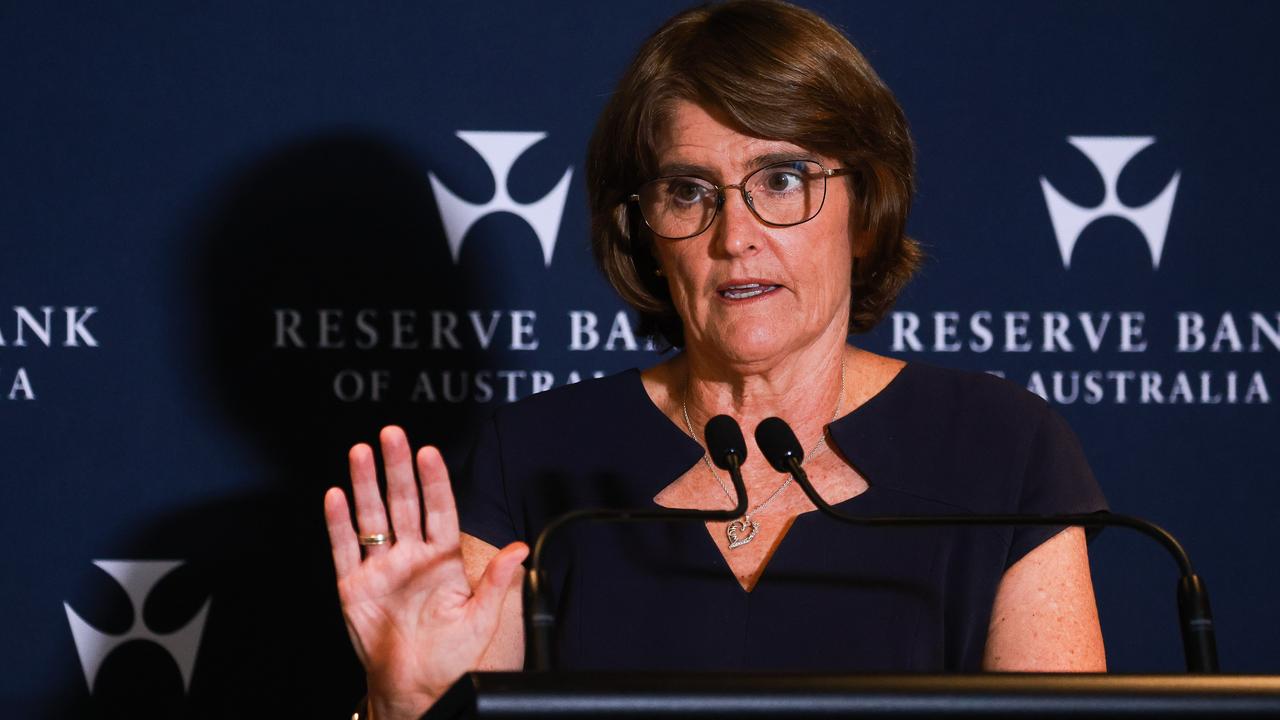
This tightening monetary policy responds to persistent domestic inflation pressures compounded by emerging geopolitical tensions. IG Market analyst Tony Sycamore notes that money markets currently predict approximately 67 basis points of RBA rate hikes through December. The escalation follows the central bank’s recent increase to 4.1%, with Governor Michele Bullock acknowledging possible recession risks if inflation remains untamed.
The international monetary landscape exhibits parallel trends, with the US Federal Reserve, Bank of England, and European Central Bank maintaining hawkish stances. This synchronized response primarily addresses energy price surges stemming from Middle Eastern conflicts. Crude oil prices have skyrocketed from approximately $79 to over $155 per barrel within three weeks, directly impacting Australian fuel costs by 10 cents per liter for every $14 per barrel increase.
Morningstar strategist Lochlan Halloway emphasizes that while Middle East instability introduces additional inflationary risks, Australia’s core challenge remains domestic economic overheating. Recent economic data reveals 2.6% annual GDP growth exceeding non-inflationary capacity estimates, alongside unexpectedly low unemployment and robust private demand.
Global X investment strategist Justin Lin warns that rising energy costs will permeate broader consumer expenses: “Beyond pain at the pump, Australians will confront elevated grocery bills as increased crude and gas prices elevate diesel and fertilizer expenses, placing global food systems on an inflationary trajectory.” Food and alcohol constitute 17.44% of Australia’s consumer price index.
Governor Bullock maintains that controlling inflation remains paramount despite potential economic contraction: “The best contribution we can make to full employment and investment is achieving low, stable inflation. We must remain focused on this objective even amid external shocks.” The RBA targets 2-3% inflation, contrasting with the current 3.8% rate.